Understanding Hurricane Coverage Gaps in the US: What Farmers Insurance Highlights
Learn about critical hurricane insurance coverage gaps that leave homeowners and businesses exposed, and how to protect your property from storm-related financial losses.

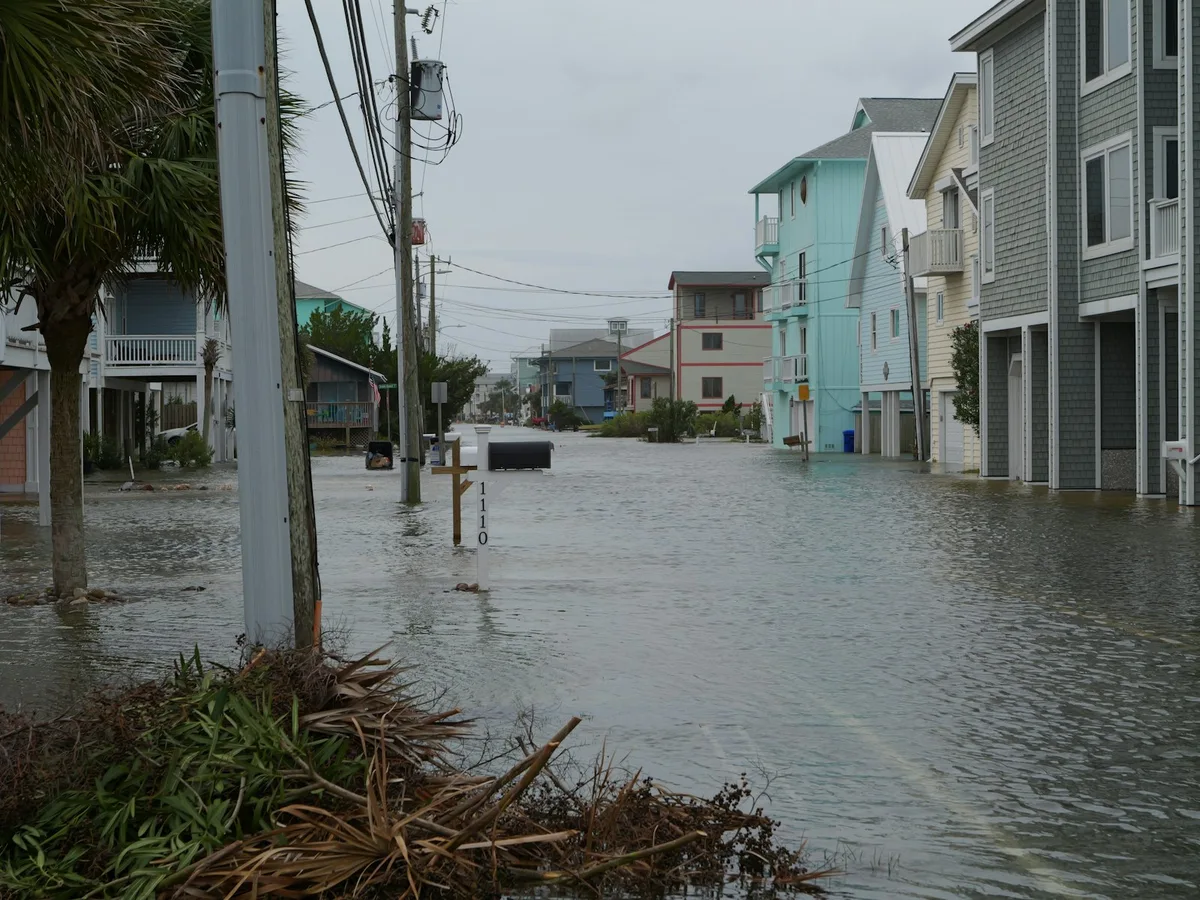
Unsplash - Matthew Larsen · original
In this article
Key Takeaway
Hurricane insurance coverage is split between multiple policies, creating dangerous gaps that many property owners discover only after a storm hits. Standard homeowners and commercial property policies typically cover wind damage but exclude flood damage, requiring separate National Flood Insurance Program (NFIP) or private flood policies. Additional gaps include hurricane deductibles (often 1 to 5 percent of insured value), coverage limits that fall short of replacement costs, and business interruption exclusions that can leave companies financially exposed during mandatory evacuations.
Understanding Hurricane Coverage Gaps in the US
When Farmers Insurance and other carriers highlight hurricane coverage gaps, they point to a structural reality of US property insurance: no single policy covers all hurricane-related perils. This fragmentation, combined with high deductibles and coverage exclusions, leaves homeowners and businesses vulnerable to significant out-of-pocket costs after major storms. Understanding these gaps is essential for adequate protection, particularly for properties in Gulf Coast and Atlantic coastal regions where hurricane risk drives insurance requirements and pricing.
What Are Hurricane Coverage Gaps?
Hurricane coverage gaps are the differences between what property owners assume their insurance covers and what policies actually pay after a hurricane. The most critical gap stems from the industry’s separation of wind and water damage. Standard homeowners insurance (HO-3 policies) and commercial property insurance cover wind damage from hurricanes, including roof damage, broken windows, and structural destruction from high winds. However, these same policies explicitly exclude damage from flooding, storm surge, and rising water.
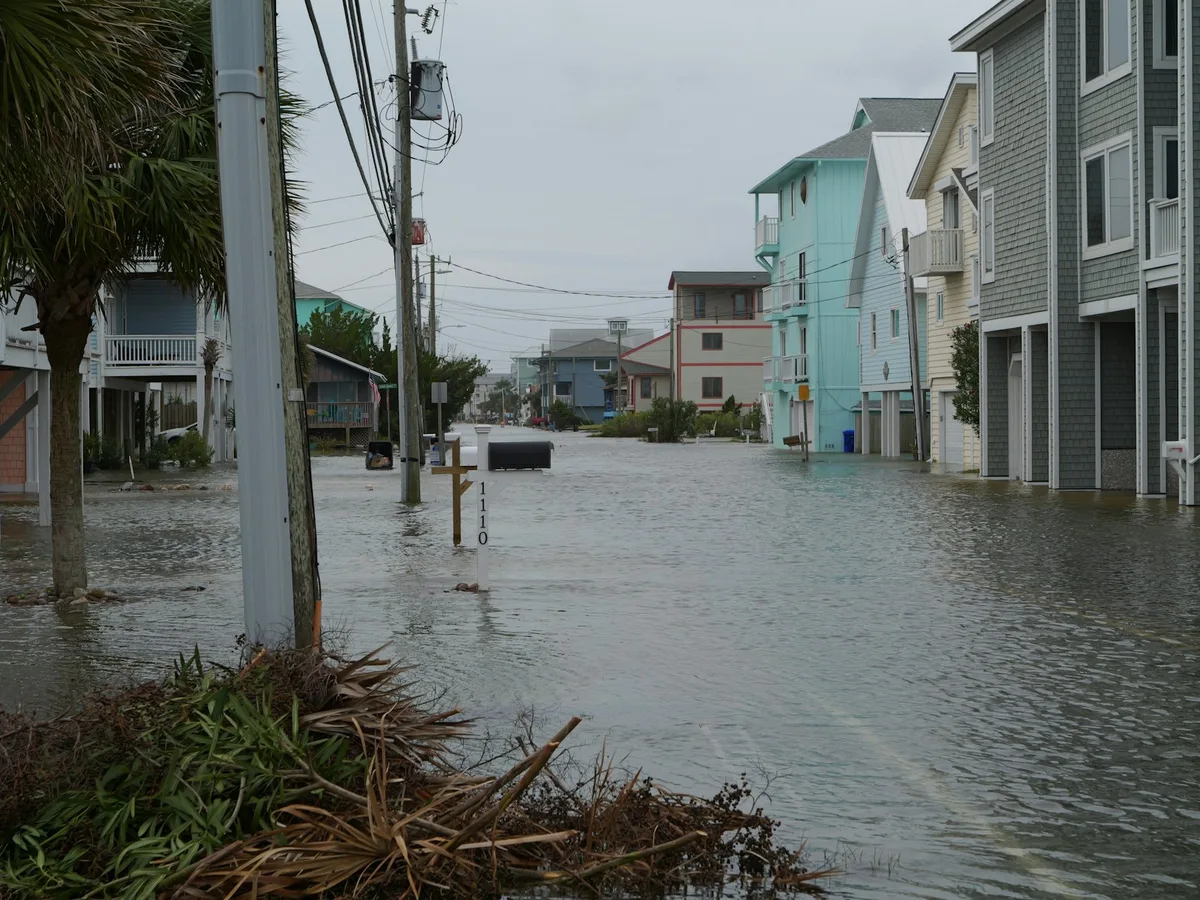
This wind-versus-water distinction creates the primary coverage gap. According to the Insurance Information Institute, flood damage causes the majority of hurricane-related losses in coastal areas, yet fewer than 15 percent of homeowners outside high-risk flood zones carry flood insurance. When a hurricane’s storm surge inundates a home, the standard homeowners policy covers wind damage to the roof but not water damage to the interior, foundation, or personal property submerged by flooding.
Why Hurricane Coverage Gaps Matter
The financial consequences of coverage gaps become severe when hurricanes strike. A homeowner with a 200,000 dollar dwelling coverage limit and a 2 percent hurricane deductible faces a 4,000 dollar out-of-pocket minimum before insurance pays anything. If storm surge causes 50,000 dollars in flood damage and the homeowner lacks flood insurance through NFIP or a private carrier, that entire loss is uninsured.
For businesses, coverage gaps extend beyond property damage to operational losses. Business interruption insurance, which replaces lost income during closures, typically requires direct physical damage to the insured property to trigger coverage. Mandatory evacuation orders that close businesses without causing physical damage may not qualify for business interruption payments under standard commercial policies. As the foundational text Principles of Finance explains, proper risk management requires identifying and addressing insurance gaps before losses occur, particularly for catastrophic perils like hurricanes.
Common Coverage Gaps in Hurricane Insurance
Flood Damage Exclusion: The most dangerous gap is the complete exclusion of flood and storm surge damage from homeowners and commercial property policies. Flood coverage requires a separate policy from NFIP (with coverage limits up to 250,000 dollars for residential structures and 500,000 dollars for commercial buildings) or from private flood insurers who may offer higher limits. Many property owners in moderate-risk zones skip flood insurance, then face uninsured losses when hurricanes push storm surge miles inland.
Hurricane Deductibles: Unlike standard homeowners deductibles (typically 500 to 2,500 dollars), hurricane deductibles in coastal states are percentage-based, ranging from 1 to 5 percent of the insured dwelling value. A home insured for 400,000 dollars with a 2 percent hurricane deductible requires the owner to pay the first 8,000 dollars of covered wind damage. These deductibles apply per hurricane event and reset for each named storm.
Actual Cash Value Versus Replacement Cost: Some policies pay actual cash value (depreciated value) rather than replacement cost for certain items like roofs. A 15-year-old roof damaged by hurricane winds might receive a depreciated payout of 5,000 dollars when replacement costs 15,000 dollars, leaving the owner to cover the 10,000 dollar gap.
Read also: Hurricane Season 2026 Insurance Review: Is Your Home Coverage Ready in the US
Coverage Limits and Inflation: Property values and construction costs have risen significantly in recent years. Homes insured for their purchase price five years ago may now have replacement costs exceeding policy limits. After a major hurricane when construction demand surges and materials become scarce, rebuilding costs can spike 20 to 40 percent above normal, exposing underinsured property owners to large gaps.
Business Interruption Waiting Periods: Commercial policies often include 48 to 72 hour waiting periods before business interruption coverage begins. For storms that cause brief closures followed by reopening, this waiting period can eliminate most or all income replacement benefits.
US-Specific Context and State Variations
Hurricane coverage requirements and availability vary significantly by state. Florida, Louisiana, Texas, and other Gulf Coast states mandate that insurers offer specific hurricane coverage terms and impose percentage deductibles during hurricane season. Some coastal states operate residual market programs (like Florida Citizens Property Insurance Corporation and the Texas Windstorm Insurance Association) that provide wind coverage when private carriers withdraw from high-risk areas.
Federal policy also shapes hurricane coverage. NFIP, administered by FEMA, provides the majority of flood insurance in the US, though private flood insurance has grown since regulatory changes in 2019 allowed lenders to accept private policies for federally backed mortgages. The National Association of Insurance Commissioners provides consumer guidance on understanding policy terms and coverage gaps specific to hurricane-prone regions.
Closing the Gaps
Property owners can address hurricane coverage gaps through several actions. First, obtain flood insurance even outside mapped high-risk zones, as approximately 25 percent of NFIP claims come from moderate-to-low-risk areas. Second, review policy limits annually and increase dwelling coverage to match current replacement costs, accounting for inflation and local construction market conditions. Third, understand your hurricane deductible amount and structure (whether it triggers for all named storms or only those making landfall nearby) and maintain adequate liquid reserves to cover it. Fourth, for businesses, consider specialized endorsements for evacuation-related losses and extended business interruption coverage that responds to supply chain disruptions and utility outages affecting the broader area.
Conclusion
Hurricane coverage gaps reflect the complexity of US property insurance and the catastrophic nature of hurricane perils. When carriers like Farmers Insurance highlight these gaps, they draw attention to the separation of wind and flood coverage, the impact of percentage-based deductibles, and the risk of underinsurance that leaves property owners exposed. Closing these gaps requires active management: purchasing flood insurance, maintaining adequate dwelling limits, understanding deductible structures, and for businesses, securing endorsements that address evacuation and extended interruption scenarios. Coverage rules, requirements, and product availability vary by state and individual property risk factors. Consult a licensed insurance agent familiar with hurricane coverage in your state and review your policies with an attorney or financial advisor for your specific situation before hurricane season begins.
Disclaimer: This article provides general educational information about hurricane insurance coverage gaps and does not constitute personalized insurance, financial, or legal advice. Hurricane insurance requirements, policy terms, deductibles, and coverage availability vary significantly by state, carrier, property location, and individual risk factors. Premium costs, coverage limits, and policy conditions change frequently. Verify current coverage options, requirements, and pricing with a licensed insurance agent in your state. Consult an attorney for legal questions regarding policy interpretation and a financial advisor for comprehensive risk management planning suited to your personal circumstances.
Sources
- Insurance Information Institute - Hurricane and Windstorm Insurance (accessed )
- NFIP Flood Insurance Program (accessed )
- NAIC Consumer Information on Homeowners Insurance (accessed )
- Principles of Finance (accessed )
Related articles
Hurricane Coverage Myths That Can Cost US Homeowners Thousands
Hurricane season exposes dangerous homeowners insurance myths. Discover 6 common misconceptions about flood and wind coverage that could cost you thousands.
Hurricane Season 2026 Insurance Review: Is Your Home Coverage Ready in the US
Review your home insurance for hurricane season 2026. Check dwelling limits, deductibles, flood coverage, and claims prep with this US homeowner checklist.
Florida Hurricane Insurance Checklist for Homeowners in the US
Florida hurricane insurance checklist for US homeowners: review wind, flood, deductibles, documents, and claims before storm season.
