What Does CTP Insurance Cover in Canada
CTP (third-party liability) coverage is the mandatory component of auto insurance in Canada that pays for damage and injuries you cause to others.
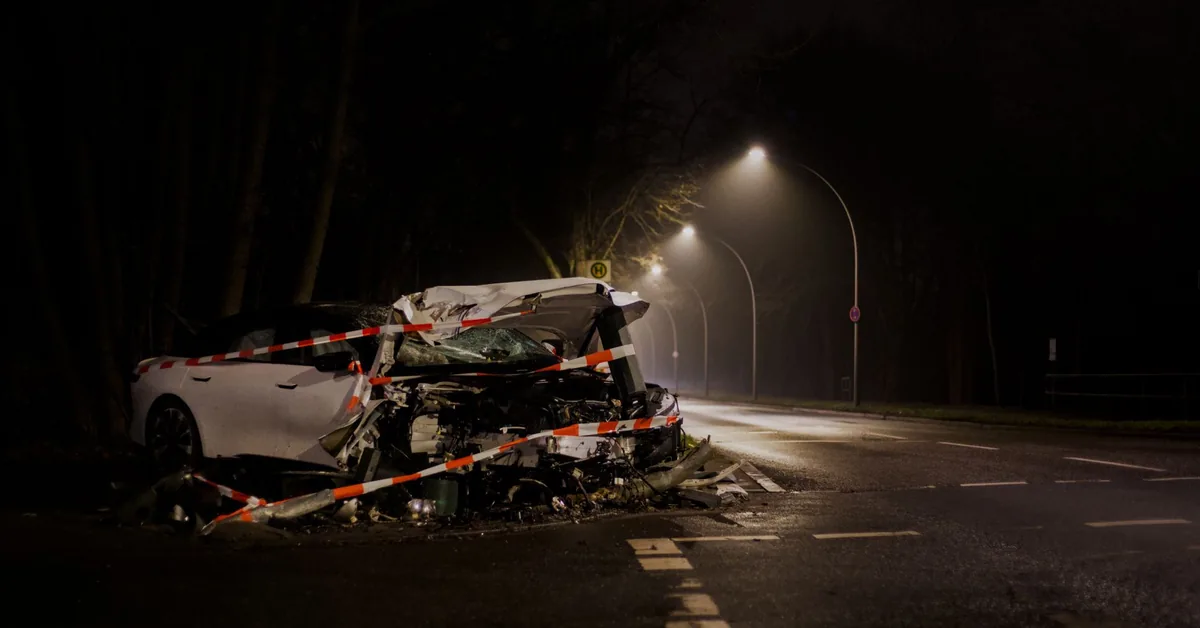
Pexels - Julien · original
In this article
Key Takeaway
CTP (compulsory third-party) insurance is known as third-party liability coverage in Canada and is mandatory in every province and territory. It pays for bodily injury and property damage you cause to others in an at-fault accident. Minimum liability limits range from C$200,000 in most provinces to C$500,000 in Nova Scotia, but experts recommend carrying at least C$1 million to C$2 million in coverage.
What Is Third-Party Liability Coverage
In Canada, the coverage known as CTP in other countries is called third-party liability insurance. It protects you financially when you are legally responsible for injuring someone or damaging their property in a car accident. The term “third party” refers to anyone other than you (the first party) and your insurer (the second party), meaning other drivers, passengers, pedestrians, cyclists, or property owners (Insurance Bureau of Canada, 2026).
Every province and territory requires drivers to carry a minimum amount of third-party liability coverage before they can register a vehicle or legally drive. This requirement ensures that victims of at-fault accidents have a source of compensation for their injuries and losses.
What Third-Party Liability Covers
Third-party liability coverage pays for two main categories of damage when you are found at fault in an accident:
Bodily injury: Medical expenses, rehabilitation costs, lost wages, pain and suffering, and funeral expenses for anyone injured or killed in an accident you cause. This includes passengers in other vehicles, pedestrians, and cyclists.
Property damage: Repair or replacement costs for vehicles, buildings, fences, utility poles, and other property you damage in an at-fault accident.
Your insurer will also cover legal defence costs if you are sued as a result of the accident, up to your policy limit.
What It Does Not Cover
Third-party liability does NOT cover damage to your own vehicle or injuries to you and your passengers. For those, you need separate coverages:
- Collision coverage pays for damage to your own vehicle in an at-fault accident.
- Comprehensive coverage protects against theft, vandalism, weather, and other non-collision damage.
- Accident benefits coverage (required in most provinces) pays for your medical expenses and lost income regardless of fault.
Minimum Requirements by Province
According to the Financial Consumer Agency of Canada (2026), minimum third-party liability limits vary by province and territory. Most provinces require C$200,000, while Nova Scotia mandates C$500,000. British Columbia, Saskatchewan, Manitoba, and Quebec operate public auto insurance systems with their own minimum requirements.
Insurance professionals strongly recommend purchasing at least C$1 million to C$2 million in third-party liability coverage. The cost difference between minimum coverage and C$1 million is often modest (typically C$50 to C$150 per year), but the financial protection gap is enormous. A serious multi-vehicle accident or catastrophic injury can easily exceed C$200,000 in damages.
Next Steps
Review your current auto insurance policy to confirm your third-party liability limit. If you carry only the provincial minimum, contact a licensed insurance broker or agent to get quotes for higher limits. Compare the premium difference and consider whether the additional protection fits your budget and risk profile.
Financial Disclaimer
This article provides general information about third-party liability (CTP) auto insurance in Canada and is not personal financial, legal, or insurance advice. Coverage requirements, policy terms, exclusions, and premiums vary by province, territory, and insurer. Third-party liability minimums and recommended coverage limits are current as of June 2026; verify current requirements with your provincial or territorial insurance regulator and confirm coverage details with a licensed insurance broker or agent before making insurance decisions. For personal advice regarding your specific situation, consult a licensed insurance professional in your province or territory.
Sources
- Auto Insurance (accessed )
- Financial Consumer Agency of Canada (accessed )
- Office of the Superintendent of Financial Institutions (accessed )
Related articles
What Does Third Party Liability Insurance Cover in Canada
Third party liability insurance covers bodily injury and property damage you cause to others. Learn what is covered and provincial minimums in Canada.
How to Lower Your Car Insurance Premium in Canada
Learn the proven strategies to lower your car insurance premium in Canada, from raising deductibles to bundling policies and qualifying for discounts.
Non-Owner Car Insurance in Canada: Coverage When You Drive Another Person's Car
Learn when non-owner car insurance applies in Canada, how the owner's policy typically covers occasional drivers, and provincial differences.
