What Does Third Party Liability Insurance Cover in Canada
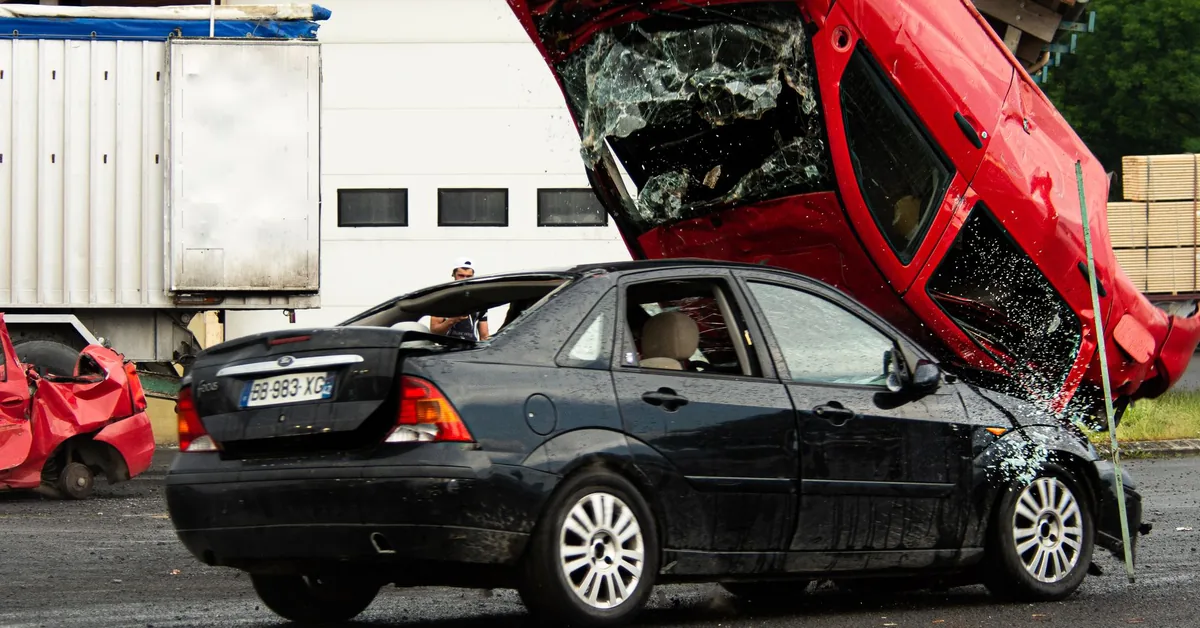
Third party liability insurance covers bodily injury and property damage you cause to others in a car accident, and it is mandatory in every Canadian province and territory.
Pexels - jordan besson · original
In this article
Key Takeaway
Third party liability insurance covers the cost of bodily injury and property damage you cause to other people in a car accident. It is mandatory in every Canadian province and territory, with minimum coverage limits set by each province (typically starting at C$200,000). This coverage does NOT pay for damage to your own vehicle or your own injuries.
What Third Party Liability Covers
Third party liability insurance protects you financially when you are at fault in an accident and cause harm to others. It covers two main categories:
Bodily injury to others. If you injure another driver, a passenger, a pedestrian, or a cyclist, your third party liability coverage pays for their medical expenses, rehabilitation costs, lost income, pain and suffering, and legal fees if they sue you. This applies whether the injured person is in another vehicle, on foot, or on a bike.
Property damage to others. This covers the cost to repair or replace another person’s vehicle, fence, building, or other property you damage in an accident. For example, if you collide with another car or drive into someone’s garage, your liability coverage pays for the repairs to their property.
According to the Insurance Bureau of Canada, third party liability is the foundation of auto insurance across Canada and protects you from potentially catastrophic out-of-pocket costs (IBC, 2026).
Provincial Minimum Coverage Limits
Every province and territory sets a minimum amount of third party liability coverage you must carry. The minimums vary:
- Most provinces (Ontario, Alberta, Prince Edward Island, Nova Scotia, New Brunswick, Newfoundland and Labrador, Northwest Territories, Nunavut, Yukon): C$200,000 minimum.
- Quebec: C$50,000 minimum for property damage only (bodily injury is covered by the public plan, the SAAQ).
- British Columbia, Saskatchewan, Manitoba: higher minimums set by the provincial public insurers (ICBC, SGI, MPI).
These are legal minimums. Many brokers and insurers recommend carrying at least C$1 million or C$2 million in liability coverage, because a serious accident can easily exceed C$200,000 in costs. Increasing your limit from C$200,000 to C$1 million typically adds only a modest amount to your premium, as confirmed by consumer resources from the Financial Consumer Agency of Canada (FCAC, 2026).
What Third Party Liability Does NOT Cover
Third party liability insurance only covers harm to other people and their property. It does not cover:
- Damage to your own vehicle (you need collision or comprehensive coverage for that).
- Your own medical expenses or lost income from injuries (you need accident benefits coverage or personal health insurance for that).
- Damage you cause intentionally.
- Losses that occur when you use your vehicle for commercial purposes without the correct coverage.
Next Steps
Review your current auto insurance policy to confirm your liability limit. If you carry only the provincial minimum (often C$200,000), consider increasing it to at least C$1 million. Contact a licensed insurance broker in your province to get a quote for higher liability limits and to confirm what coverage applies in your specific situation.
Provincial insurance rules, coverage options, and minimum limits are set by each province’s insurance regulator. For personalized advice, speak with a licensed insurance broker or agent in your province.
Disclaimer: This article provides general information about third party liability insurance in Canada and is not financial, legal, or insurance advice. Insurance products, coverage limits, exclusions, and regulatory requirements vary by province and territory and by insurer. Confirm current coverage terms, provincial minimums, and policy details with a licensed insurance broker or agent in your province before making decisions. For regulatory information specific to your province, contact your provincial insurance regulator.
Sources
- Auto Insurance in Canada (accessed )
- Financial Consumer Agency of Canada (accessed )
- Office of the Superintendent of Financial Institutions (accessed )
Related articles
What Does CTP Insurance Cover in Canada
Learn what CTP (third-party liability) auto insurance covers in Canada, including bodily injury and property damage minimums by province.
Non-Owner Car Insurance in Canada: Coverage When You Drive Another Person's Car
Learn when non-owner car insurance applies in Canada, how the owner's policy typically covers occasional drivers, and provincial differences.
Autumn Car Insurance Review in Canada: Preparing for Winter Driving
Review your car insurance this autumn to ensure adequate coverage for Canadian winter driving conditions and avoid gaps.
