Canadian Homeowners Drop Coverage as Disaster Insurance Costs Rise
Rising premiums driven by floods, wildfires, and severe weather are pushing some Canadian homeowners to reduce or drop insurance coverage, leaving them exposed to major financial losses.
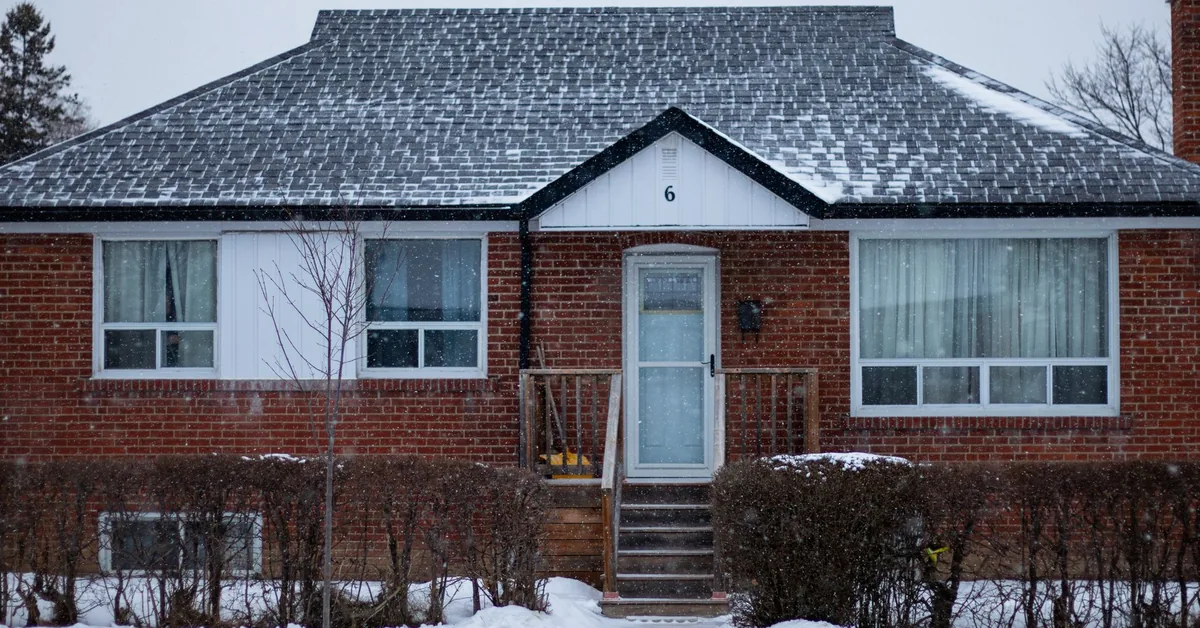
Pexels - Anurag Jamwal · original
In this article
Key Takeaway
Home insurance premiums in Canada have risen sharply in recent years, driven by costly flood, wildfire, and severe weather claims. Some homeowners in high-risk areas are responding by dropping optional coverage such as overland flood insurance, raising deductibles, or reducing coverage limits to lower costs. While this cuts premiums in the short term, it leaves homeowners financially exposed to major losses if disaster strikes.
Why Premiums Are Rising
Insurance premiums are climbing across Canada as insurers adjust rates to reflect the rising cost of claims from climate-related events. According to the Insurance Bureau of Canada, insured losses from severe weather have exceeded C$2 billion annually in recent years, with flooding, wildfires, hailstorms, and windstorms driving the increase (IBC, 2026).
Overland flood coverage, introduced widely in Canada starting in 2015, has become expensive in high-risk zones. Homeowners in flood-prone areas near rivers, lakes, or in low-lying regions may face premiums of C$1,000 to C$3,000 or more per year for overland water coverage alone, on top of their base home insurance premium. Similarly, homeowners in wildfire interface zones in British Columbia, Alberta, and parts of Ontario are seeing higher premiums or coverage restrictions.
Replacement costs have also risen. Labour shortages, supply chain disruptions, and inflation have pushed the cost to rebuild a home higher, and insurers have adjusted coverage limits and premiums accordingly.
How Homeowners Are Responding
Faced with steep premium increases, some Canadian homeowners are cutting back on coverage:
- Dropping overland flood coverage: Homeowners who bought optional flood coverage when it was more affordable are choosing not to renew it, particularly if they have not experienced a flood and view the risk as low. Without this coverage, they have no insurance protection if their home is damaged by overland water.
- Raising deductibles: Increasing the deductible from C$1,000 to C$2,500 or C$5,000 lowers the premium but means the homeowner pays more out of pocket if they file a claim.
- Reducing coverage limits: Some homeowners lower dwelling coverage or drop optional endorsements (such as sewer backup coverage or guaranteed replacement cost coverage) to reduce costs.
- Shopping for cheaper policies: Switching insurers or bundling home and auto insurance can sometimes reduce premiums, though availability and pricing vary by province and risk zone.
Read also: How to Insure High-Value Items and Jewelry with Home Insurance Riders in Canada
The Risk of Being Underinsured
Dropping coverage or raising deductibles saves money now but creates serious financial risk. A single flood, wildfire, or severe storm can cause C$50,000 to C$200,000 or more in damage to a home. Without adequate insurance, homeowners must pay for repairs, temporary housing, and replacing belongings entirely from their own savings. Many Canadian homeowners do not have the financial resources to absorb a major uninsured loss.
Government disaster assistance programs exist in some provinces but are limited, means-tested, and typically cover only a portion of losses. They are not a substitute for insurance.
What to Do
If your home insurance premium has risen sharply, review your coverage and options with a licensed insurance broker before simply dropping coverage:
- Confirm your risk: Ask whether your property is in a flood zone, wildfire interface area, or other high-risk location. If the risk is genuine, coverage may be worth the cost.
- Compare quotes: Premiums vary by insurer. A broker can shop multiple carriers to find the best rate for your risk profile.
- Consider a higher deductible carefully: Raising your deductible lowers your premium but only makes sense if you have savings set aside to cover the deductible amount if a claim occurs.
- Review your coverage limits annually: Make sure your dwelling coverage reflects current replacement cost, not the purchase price of your home. Being underinsured can leave you with a large gap if you need to rebuild.
- Check for discounts: Installing a sump pump, backwater valve, fire-resistant roofing, or monitored alarm system may reduce your premium. Ask your broker what risk-reduction measures qualify for discounts.
Financial Disclaimer
This article provides general information only and is not insurance, financial, or legal advice. Home insurance products, coverage, exclusions, premiums, and availability vary by province, territory, and insurer. Coverage rules and risk assessments differ across Canada. Before making decisions about your home insurance coverage, confirm current details with a licensed insurance broker or agent and review the policy wording for your personal situation. For regulatory questions, contact your provincial insurance regulator.
Sources
- Home Insurance - Insurance Bureau of Canada (accessed )
- Financial Consumer Agency of Canada (accessed )
- Office of the Superintendent of Financial Institutions (accessed )
Related articles

How to Compare Home Insurance Quotes in Canada the Right Way
Compare home insurance quotes in Canada the right way. Learn what coverage to match, how to spot gaps, and where premiums really differ.
What Canada's C$8.5B Disaster Year Means for Home Insurance Renewals
Canada's record C$8.5B disaster year may raise home insurance renewals. Learn what to check before accepting your next premium.

Do Weather Predictions Lower Home Insurance Premiums in Canada?
Weather forecasts don't directly lower Canadian home insurance premiums. Learn how insurers actually set rates and what affects your policy cost.
