Do Weather Predictions Lower Home Insurance Premiums in Canada?
While weather forecasts and disaster predictions inform long-term risk modeling, they do not directly reduce home insurance premiums in Canada; rates are primarily set using historical claims data and actuarial analysis.

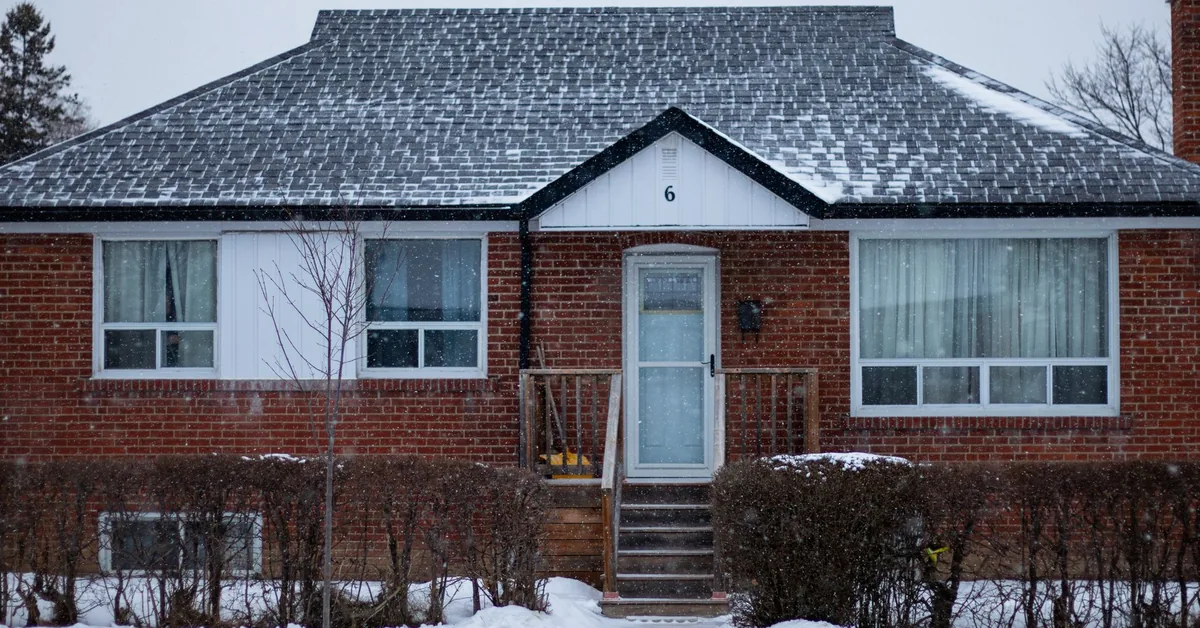
Pexels - Darya Grey_Owl · original
In this article
Key Takeaway
Below-average weather predictions, whether for hurricanes, floods, or severe storms, do not directly lower home insurance premiums in Canada. Insurers set rates primarily on historical claims data, actuarial risk models, and loss trends over multiple years, not short-term seasonal forecasts. While long-term climate data informs overall risk assessment, a single year’s favourable prediction does not trigger immediate premium reductions for homeowners.
How Insurers Set Home Insurance Premiums in Canada
Canadian home insurers calculate premiums using actuarial models that analyze years of historical claims data, property characteristics, regional risk factors, and reinsurance costs. According to the Insurance Bureau of Canada, premiums reflect the statistical likelihood of claims based on past events, not predictions about future weather seasons (IBC, 2024).
Key factors that affect your premium include your home’s location, age, construction type, proximity to water or wildfire zones, your claims history, chosen deductible, and coverage limits. Insurers also consider broader trends such as the increasing frequency and severity of weather-related claims across Canada, which have driven up costs industrywide over the past decade.
Why Seasonal Forecasts Do Not Lower Rates
A below-average prediction for hurricanes, floods, or severe storms in a given year does not translate into lower premiums because:
- Premiums are backward-looking: Insurers base rates on what has already happened, not what might happen. A quiet season one year does not erase the claims paid out in previous years.
- Climate volatility is increasing: Even in years with fewer predicted events, severe storms can still cause significant damage. Insurers must price for unpredictability and extreme outliers.
- Reinsurance costs remain high: Insurers buy reinsurance to protect against catastrophic losses, and those costs reflect long-term global climate risk, not single-season forecasts.
- Regulatory approval cycles: Premium changes in Canada require approval from provincial regulators (such as the Financial Services Regulatory Authority of Ontario or the Autorité des marchés financiers in Quebec), and those reviews focus on sustained trends, not annual fluctuations.
While hurricanes are less common in Canada than in coastal US states, Canadians face rising weather risks including overland flooding, severe storms, hail, and wildfires. These perils are covered under standard home insurance policies (with overland flood coverage now widely available as an add-on or included coverage since around 2015), and their increasing frequency continues to push premiums upward across most provinces.
Read also: Canadian Homeowners Drop Coverage as Disaster Insurance Costs Rise
What Can Lower Your Home Insurance Premium
Since seasonal weather predictions do not affect rates, homeowners looking to reduce premiums should focus on factors within their control:
- Increase your deductible (choosing a higher deductible, such as C$2,500 instead of C$1,000, lowers your premium).
- Bundle home and auto insurance with the same insurer for a multi-policy discount.
- Improve home resilience by installing sump pumps, backwater valves, fire-resistant roofing, or monitored security systems (many insurers offer discounts for risk-reduction measures).
- Maintain a claims-free history (frequent small claims can raise your premium or limit your insurer options).
- Shop around and compare quotes from multiple insurers, as rates vary significantly by company and province.
- Ask your broker about available discounts (for example, loyalty discounts, senior discounts, or affinity group rates).
The Bottom Line
Weather predictions and seasonal forecasts do not lower home insurance premiums in Canada. Insurers price policies based on historical claims data, long-term risk trends, and regulatory approval processes that consider sustained loss patterns, not short-term forecasts. To reduce your premium, focus on increasing your deductible, bundling policies, improving home resilience, and comparing quotes from licensed brokers. Confirm current rates and available discounts with a licensed insurance broker or agent in your province, as coverage options, exclusions, and pricing vary by insurer and by province or territory.
Disclaimer: This article provides general information only and is not financial, insurance, or legal advice. Home insurance products, coverage, premiums, and requirements vary by province, territory, and insurer. Confirm details with a licensed insurance broker or agent and consult your provincial insurance regulator for your personal situation. As of June 2026, verify current terms and rates with a licensed broker before deciding.
Sources
- Home Insurance Information (accessed )
- Financial Consumer Agency of Canada (accessed )
- Office of the Superintendent of Financial Institutions (accessed )
Related articles

What Canada's C$8.5B Disaster Year Means for Home Insurance Renewals
Canada's record C$8.5B disaster year may raise home insurance renewals. Learn what to check before accepting your next premium.
Canadian Homeowners Drop Coverage as Disaster Insurance Costs Rise
Rising home insurance premiums in Canada are forcing some homeowners to drop or reduce coverage, particularly in flood and wildfire zones.

What to Compare Before Signing Your Home Insurance Renewal in Canada
Compare coverage, deductibles, premiums, and exclusions before signing your Canadian home insurance renewal. Checklist for autumn renewal season.
