Does Home Insurance Cover Damage from Power Outages in Canada?
Power outages can cause thousands in damage, from spoiled food to flooded basements. Learn what your Ontario home insurance policy covers and what it doesn't when the lights go out.
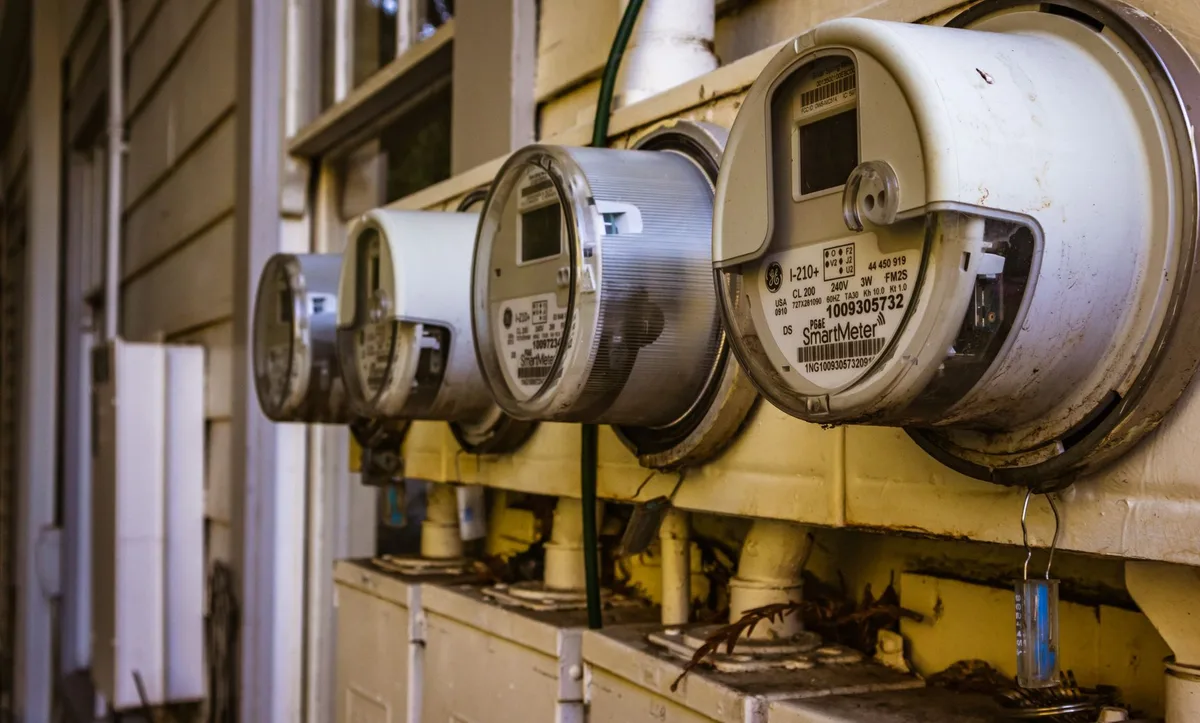
Pexels - Robert So · original
In this article
Key Takeaway
Standard home insurance in Ontario typically does NOT cover damage from power outages unless the outage results from a covered peril such as fire, lightning, or windstorm that directly damages your property. Most policies exclude losses from utility failures that originate off your property. However, many insurers offer optional coverage for specific power outage losses, particularly refrigerated food spoilage, usually with a C$500 to C$1,000 limit.
Understanding Power Outage Coverage in Ontario
When the power goes out, the immediate inconvenience is obvious. What catches many Ontario homeowners off guard is the financial damage that follows: a freezer full of spoiled meat, a flooded basement from a failed sump pump, or damaged electronics from power surges when service returns.
The question of coverage is more nuanced than most homeowners expect. Whether your home insurance policy responds depends on what caused the outage, where the failure occurred, and what specific endorsements you have added to your base policy.
How Standard Home Insurance Handles Power Outages
A standard home insurance policy in Canada, as outlined by foundational risk management principles covered in works such as Principles of Finance, protects your dwelling and personal property against specific named perils or, in the case of comprehensive policies, all risks except those explicitly excluded.
According to the Insurance Bureau of Canada, most Ontario home insurance policies contain a utility service exclusion (IBC, 2024). This exclusion states that the policy does not cover loss or damage caused by interruption or failure of power or other utility service if the interruption occurs away from your residence premises.
In plain terms: if a transformer blows three blocks away and your sump pump stops working, flooding your basement, your standard policy will not cover the water damage. The failure originated off your property, triggering the exclusion.
What IS Typically Covered
Coverage applies when the power failure stems from a covered peril that directly affects your property. Examples include:
Direct physical damage to your electrical system. If lightning strikes your home and damages your electrical panel, the repair to the panel and any resulting fire damage would be covered under the dwelling portion of your policy. If that lightning strike also causes a power surge that destroys your appliances, those losses would fall under your personal property coverage, subject to your deductible.
Food spoilage endorsements. Many Ontario insurers offer an optional food spoilage endorsement, typically providing C$500 to C$1,000 in coverage for refrigerated or frozen food lost due to power failure, regardless of cause. This endorsement usually requires the outage to last a minimum duration, often 8 to 24 hours. The coverage limit and waiting period vary by insurer and must be confirmed in your policy wording.
Covered perils with secondary power loss. If a windstorm knocks a tree onto your home, damaging the roof and severing your electrical connection, both the structural damage and the electrical repairs would be covered. If food spoiled during the repair period, your food spoilage endorsement (if you have one) would respond.
What Is NOT Covered
The Financial Consumer Agency of Canada advises homeowners to review exclusions carefully, as gaps in coverage are common (FCAC, 2024). Typical exclusions for power outage losses include:
Sump pump failure from off-premises outages. If a widespread power failure causes your sump pump to stop and your basement floods, standard policies exclude this loss. You would need a separate sump pump failure endorsement, and even then, coverage for off-premises power failures varies by insurer.
Damage from voltage fluctuations or surges. While direct lightning strike damage is covered, gradual damage from repeated power surges or brownouts is often excluded. Some policies require a separate electronics or power surge endorsement.
Read also: Home Insurance in Canada: What Is and Is Not Covered
Business losses or additional living expenses. If you work from home and lose income due to a multi-day outage, or if you incur hotel costs while waiting for power restoration, these are generally not covered unless the outage resulted from a covered peril that made your home uninhabitable.
Gradual or long-term issues. If your freezer fails due to age or mechanical breakdown during an outage, that is a maintenance issue, not an insured peril.
Ontario-Specific Considerations
Insurance in Canada is regulated provincially. In Ontario, the Financial Services Regulatory Authority of Ontario (FSRA) oversees insurers and policy standards. Ontario homeowners should note:
- Policies and endorsements vary significantly between insurers. Two policies from different companies may handle the same power outage claim completely differently based on their specific wording and exclusions.
- Extreme weather events are increasing in frequency across Ontario, from ice storms to summer derechos. These events often cause widespread power outages lasting days. Homeowners in areas prone to outages (rural communities, older grid infrastructure) should consider whether optional coverage makes financial sense.
- Confirm coverage limits and waiting periods for food spoilage endorsements. A policy offering C$500 with a 24-hour waiting period provides far less protection than one offering C$1,000 with an 8-hour threshold.
How to Protect Yourself
Review your current policy with your licensed insurance broker or agent. Ask specifically about:
- Food spoilage coverage. What is the limit? What is the minimum outage duration? Is there a per-occurrence limit or an annual aggregate?
- Sump pump failure endorsements. Does the endorsement cover off-premises power failures, or only mechanical pump failure?
- Electronics and power surge protection. Do you have coverage for voltage fluctuations, and if so, what are the limits?
- Replacement cost vs. actual cash value. For personal property (including spoiled food and damaged electronics), does your policy pay replacement cost or depreciated value?
Consider mitigation measures that reduce your exposure:
- Install a battery backup or generator for critical systems such as sump pumps and refrigeration.
- Use whole-home surge protectors on your electrical panel.
- Keep a written inventory and photos of freezer contents to document losses if a claim arises.
- During extended outages, avoid opening refrigerators and freezers unnecessarily. A full freezer can maintain safe temperatures for 48 hours if unopened.
Conclusion
Power outage damage is a grey area in Ontario home insurance. Standard policies exclude most losses from off-premises utility failures, but optional endorsements can fill the gap for specific perils such as food spoilage. The key is knowing what you have before the lights go out.
Review your policy wording, confirm your endorsements and limits, and verify current terms with a licensed insurance broker or agent. For questions about your rights and obligations under an Ontario home insurance policy, consult the Financial Services Regulatory Authority of Ontario (FSRA) or a lawyer familiar with insurance law in your province.
Financial Disclaimer: This article provides general information only and is not personalized insurance, financial, or legal advice. Home insurance policies, coverage, exclusions, and endorsements vary by insurer, province, and individual circumstances. Coverage for power outage damage depends on the specific wording of your policy, the cause of the outage, and any optional endorsements you have purchased. Always read your policy documents in full, confirm current terms and limits with a licensed insurance broker or agent in Ontario, and verify regulatory requirements with the Financial Services Regulatory Authority of Ontario (FSRA) for your personal situation. Consult a licensed insurance professional before making coverage decisions.
Sources
- Home Insurance Basics (accessed )
- Insurance Products and Services (accessed )
- FSRA Consumer Resources (accessed )
- Principles of Finance (accessed )
Related articles

Home Insurance in Canada: What Is and Is Not Covered
Learn what home insurance covers in Canada (dwelling, liability, personal property) and common exclusions like flood and earthquake damage.

What Is and Is Not Covered by Home Insurance in Canada: A Complete Guide
Discover what home insurance covers and excludes in Canada. Learn about dwelling, personal property, liability, and optional coverage you may need.
Does Home Insurance Cover Power Outage Damage in Canada?
Canadian home insurance typically covers electrical damage from power surges but has limits on spoiled food and outage-related losses. Learn what's covered.
