Does Home Insurance Cover Power Outage Damage in Canada?
Power outages can cause expensive damage to your home and belongings. Learn which types of power outage damage your Canadian home insurance covers and what typically requires additional protection.
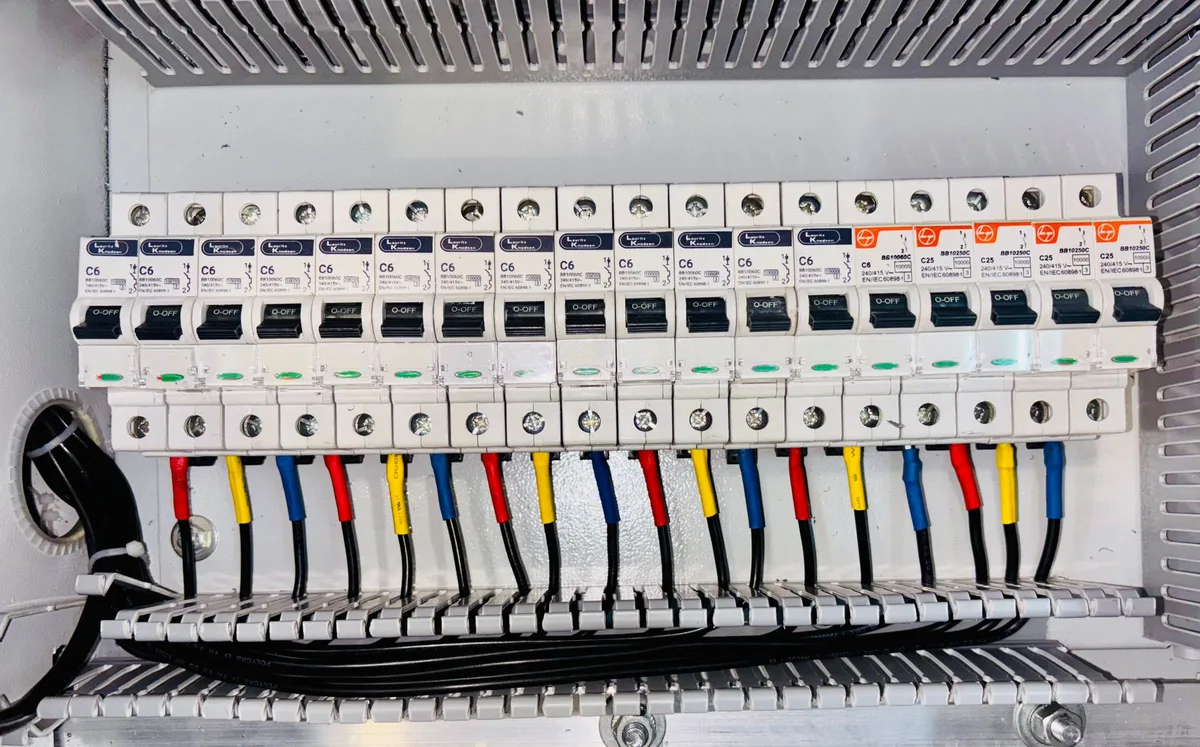
Pexels - ranjeet . · original
In this article
Key takeaway: Standard home insurance in Canada typically covers damage to your electrical system caused by power surges, but coverage for losses from prolonged power outages (such as spoiled food or basement flooding from a failed sump pump) is usually limited or requires additional coverage. The key distinction insurers make is whether the power failure originated on your property or off your property.
Understanding Power Outage Coverage in Canadian Home Insurance
Power outages happen across Canada for many reasons: winter ice storms, summer thunderstorms, equipment failures, and grid maintenance. When the lights go out, the potential for property damage and financial loss increases quickly. Whether your home insurance will cover that damage depends on what caused the outage, what type of damage occurred, and the specific terms of your policy.
As covered in foundational insurance texts such as Principles of Finance, insurance policies transfer specific risks from the homeowner to the insurer, but not all risks are included in standard coverage. Understanding which power outage scenarios your policy covers helps you make informed decisions about additional protection.
What Standard Home Insurance Typically Covers
Most standard home insurance policies in Canada provide coverage for certain types of power outage damage under the dwelling and personal property sections of your policy.
Electrical system damage from power surges: If a power surge damages your home’s electrical system, wiring, breaker panel, or permanently wired appliances, your dwelling coverage typically responds. For example, if lightning strikes a nearby transformer and sends a surge through the power lines that damages your electrical panel, that repair cost is usually covered (subject to your deductible).
Damage to appliances and electronics: If the same power surge damages appliances, computers, televisions, or other electronics, your personal property coverage typically applies. Most policies cover sudden and accidental damage to your belongings, and a power surge qualifies.
Direct physical damage to the structure: If a power-related incident causes fire or other direct physical damage to your home (for example, faulty wiring overheats during a power restoration), your dwelling coverage responds.
According to the Insurance Bureau of Canada, these types of sudden electrical events are generally considered insured perils under comprehensive home insurance policies (IBC, 2026).
What’s Typically Limited or Excluded
Food spoilage: This is where many Canadian homeowners discover coverage gaps. Standard home insurance policies usually include some coverage for food spoilage caused by power outages, but the limits are modest, typically C$500 to C$1,000. If you lose a freezer full of meat worth C$2,000 during a three-day winter outage, you will only recover a fraction of that loss under standard coverage.
Critically, many policies only cover food spoilage if the power failure is caused by an on-premises event (a covered peril that damages your electrical system) rather than an off-premises grid failure. A storm that knocks out neighbourhood power for 48 hours often does not trigger food spoilage coverage unless you purchased additional protection.
Sump pump failure and water damage: If a power outage stops your sump pump and your basement floods, standard home insurance typically does not cover the water damage. Most policies exclude water damage from sewer backup or groundwater unless you have purchased optional sewer backup coverage, and even that coverage may not respond if the loss resulted from lack of power rather than an actual backup.
Loss of use and additional living expenses: If a power outage makes your home uninhabitable and you need to stay in a hotel, your additional living expense coverage may not apply unless the outage resulted from a covered peril that directly damaged your home. A simple grid failure, even one lasting several days, typically does not trigger this coverage.
On-Premises vs Off-Premises: The Critical Distinction
Canadian insurers draw a sharp line between power failures that originate on your property and those that originate off your property.
On-premises failure: If a tree falls on your service line, damaging the equipment on your property and cutting power to your home, the resulting damage (including food spoilage within policy limits) is typically covered.
Off-premises failure: If the utility company’s transformer fails or a storm knocks out power to your neighbourhood, any damage from that outage (spoiled food, sump pump failure) is usually not covered under standard policies.
This distinction frustrates many homeowners who reasonably expect their insurance to respond regardless of where the failure occurred, but it reflects how Canadian insurers price and structure home insurance coverage.
Read also: Does Home Insurance Cover Wildfire Damage in Canada?
Optional Coverage and Endorsements
Recognizing these gaps, insurers offer optional coverage that you can add to your policy for an additional premium:
Extended food spoilage coverage: You can increase your food spoilage limit to C$2,000, C$5,000, or higher, and some endorsements extend coverage to off-premises power failures.
Equipment breakdown coverage: This endorsement covers damage to appliances, HVAC systems, and other equipment from mechanical or electrical breakdown, including damage from power surges and voltage fluctuations. It often includes higher food spoilage limits.
Sump pump backup and battery coverage: Some insurers offer coverage for losses from sump pump failure, and a few offer discounts if you install a battery backup system for your sump pump.
The Financial Consumer Agency of Canada recommends reviewing your home insurance policy annually and considering optional coverages that match your specific risks (FCAC, 2026).
What to Do After Power Outage Damage
If you experience damage from a power outage, take these steps:
-
Document everything: Photograph damaged appliances, electronics, and spoiled food before disposing of anything. Keep receipts showing the original value of lost items if possible.
-
Mitigate further damage: Your policy requires you to prevent additional damage. If your sump pump fails, use a portable pump or remove water by other means if you can do so safely.
-
Contact your insurer promptly: Report the loss as soon as possible. Your insurer will explain what coverage applies and what documentation they need.
-
Keep receipts: If you need to stay elsewhere or purchase replacement food, keep all receipts. Even if the expense is not covered, having documentation protects your interests.
Provincial Considerations
Home insurance is regulated provincially in Canada, and policy wordings can vary. Review your policy wording carefully and confirm coverage details with a licensed insurance broker in your province. In Ontario, for example, the Financial Services Regulatory Authority of Ontario (FSRA) provides consumer resources about home insurance coverage.
Conclusion
Canadian home insurance provides solid protection against electrical damage from power surges, but coverage for losses from prolonged power outages (especially off-premises failures) is limited in standard policies. If you live in an area prone to outages, have a large freezer full of food, or rely on a sump pump, consider optional coverage to close these gaps. Review your policy with a licensed insurance broker who can explain your actual coverage and recommend endorsements that match your risks and budget.
Financial Disclaimer: This article provides general information about home insurance coverage in Canada and is not financial, insurance, or legal advice. Home insurance policies, coverage, exclusions, and limits vary significantly by province, territory, and insurer. The information presented is current as of October 2026; confirm current terms and coverage with a licensed insurance broker or agent in your province before making insurance decisions. Always read your policy wording and consult a licensed professional for advice specific to your personal situation.
Sources
- Home Insurance Basics (accessed )
- Insurance and Financial Services (accessed )
- Home Insurance Guide (accessed )
- Principles of Finance (accessed )
Related articles
Does Home Insurance Cover Damage from Power Outages in Canada?
Does home insurance cover power outage damage in Ontario? Learn what's covered, what's excluded, and how to protect your home from electrical losses.

Home Insurance in Canada: Property, Contents, and Liability Coverage
Canadian home insurance covers three main areas: property (dwelling), contents (personal belongings), and liability. Learn how each protects you.
Fire Insurance Claims: When to Tell Your Home Insurance Provider in Canada
Discover when to notify your home insurance provider about a fire in Canada. Learn reporting timelines, required information, and how to protect your claim.
