Does Home Insurance Cover Wildfire Damage in Canada?
Standard home insurance in Canada typically covers wildfire damage to your dwelling and belongings under comprehensive coverage, but exclusions and provincial differences apply.
Pexels - Emmanuel Codden · original
In this article
Key Takeaway
Yes, standard home insurance in Canada typically covers wildfire damage to your dwelling, detached structures, and personal belongings under comprehensive (all-risk) coverage. Most policies treat wildfire as a covered peril alongside other fire-related losses. However, coverage limits, deductibles, and exclusions vary by province, insurer, and policy type, so confirm the specific terms with your insurer or a licensed broker before a loss occurs.
What Home Insurance Covers for Wildfire Damage
Standard home insurance in Canada covers direct wildfire damage under dwelling coverage (the structure itself), personal property coverage (your belongings inside), and additional living expenses if you must evacuate and stay elsewhere while your home is uninhabitable. According to the Insurance Bureau of Canada, comprehensive home policies treat wildfire as a named or all-risk peril, meaning repairs, rebuilding costs up to your policy limit, and replacement of damaged contents are typically covered (IBC, 2026).
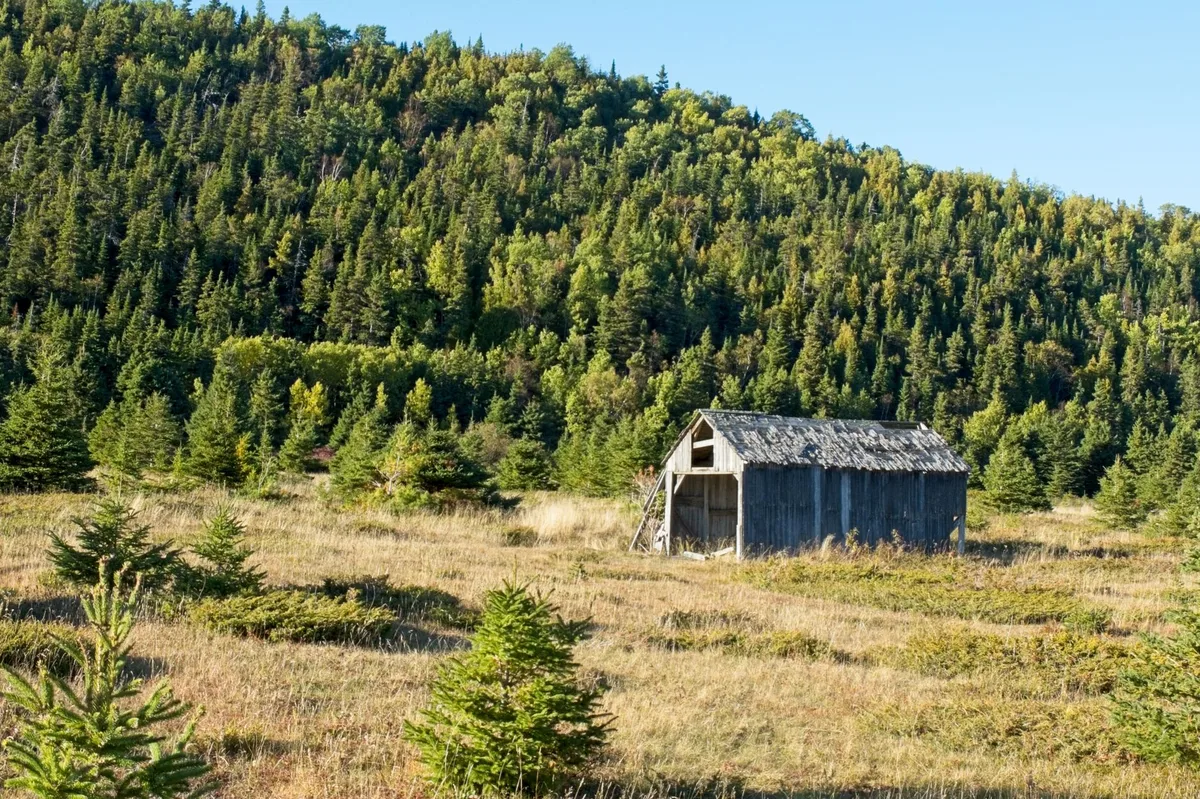
Detached structures such as sheds, garages, and fences are usually covered under the “other structures” portion of your policy, subject to the coverage limit stated in your policy (often 10 percent of your dwelling coverage). Additional living expenses (ALE) or loss of use coverage pays for temporary accommodation, meals, and other reasonable costs if a wildfire evacuation order forces you to leave your home, even if the fire does not physically damage your property (FCAC, 2026).
Coverage for smoke damage from nearby wildfires is also typically included, as smoke can damage walls, furniture, and HVAC systems even when flames do not reach your property. As covered in foundational insurance texts such as Principles of Finance, property insurance is designed to restore the insured to the same financial position they held before a covered loss, which includes smoke and soot damage from wildfires.
What’s Not Covered and Provincial Differences
Home insurance does not cover land itself, only the structures and contents on it. Landscaping, trees, and shrubs may have limited or no coverage depending on your policy. Damage caused by poor maintenance, neglect, or failure to take reasonable steps to protect your property before or during a wildfire (such as ignoring an evacuation order and leaving flammable materials near the home) may be excluded.
Overland flooding caused by firefighting efforts or heavy rain after a wildfire is typically excluded unless you purchased separate overland water coverage, which is available as an add-on or endorsement in most provinces. Wildfire coverage and terms can vary by province, as insurance is provincially regulated in Canada. For example, British Columbia homeowners in high-risk wildfire zones may face higher premiums or stricter underwriting conditions, while homeowners in lower-risk areas of Ontario or Quebec may see standard pricing.
Confirm your coverage limits, deductible, and exclusions with your provincial insurance regulator (such as the Financial Services Regulatory Authority of Ontario, or FSRA, the Autorité des marchés financiers in Quebec, or the BC Financial Services Authority) and a licensed insurance broker for your specific situation.
Read also: What Nova Scotia Homeowners Need to Know About Wildfire Insurance Claims in Canada
How to File a Wildfire Claim
If your home is damaged by wildfire, contact your insurer immediately to report the claim, even if you are still evacuated. Document the damage with photos and videos, keep receipts for temporary accommodation and emergency purchases, and do not begin permanent repairs until an adjuster has inspected the property. Your insurer will assign a claims adjuster to assess the loss, verify coverage, and determine the payout based on your policy limits and deductible.
Most insurers cover the replacement cost of your dwelling and contents if you have replacement cost coverage, meaning they pay the cost to rebuild or replace items at current prices, not the depreciated value. Confirm whether your policy provides replacement cost or actual cash value coverage, as the latter deducts depreciation and may leave you underinsured.
Conclusion
Standard home insurance in Canada covers wildfire damage to your dwelling, belongings, and temporary living expenses under comprehensive coverage, but exclusions and provincial differences apply. Review your policy wording, confirm your coverage limits and deductible, and ask a licensed broker about overland water endorsements and replacement cost coverage to ensure you are protected before wildfire season. For policy details specific to your province and personal situation, consult your provincial insurance regulator and a licensed insurance broker.
Disclaimer: This article provides general information only and is not insurance, legal, or financial advice. Home insurance coverage, exclusions, and availability vary by province, territory, and insurer. Confirm your policy terms, coverage limits, and deductibles with a licensed insurance broker and your provincial insurance regulator before making decisions. Always read your policy wording and consult a licensed professional for your personal situation.
Sources
- Home Insurance Basics (accessed )
- Insurance and Your Rights (accessed )
- Insurance Bureau of Canada (accessed )
- Principles of Finance (accessed )
Related articles
What to Know About Home Insurance During Wildfire Season in Canada
What Canadian homeowners need to know about wildfire coverage, deductibles, documentation, and fire-protection steps during wildfire season.

How Inflation Has Affected Home Insurance in Canada
Discover how inflation has increased home insurance premiums in Canada through replacement costs, claims expenses, and severe weather impacts.
How Climate Change Is Affecting Home Insurance Premiums in Canada
Climate change is raising home insurance premiums across Canada through increased flood, wildfire, and storm claims. Learn how risks vary by region.
