How Climate Change is Affecting Home Insurance Premiums in Canada
Climate change is driving home insurance premiums higher across Canada as insurers face mounting claims from floods, wildfires, and severe weather events.
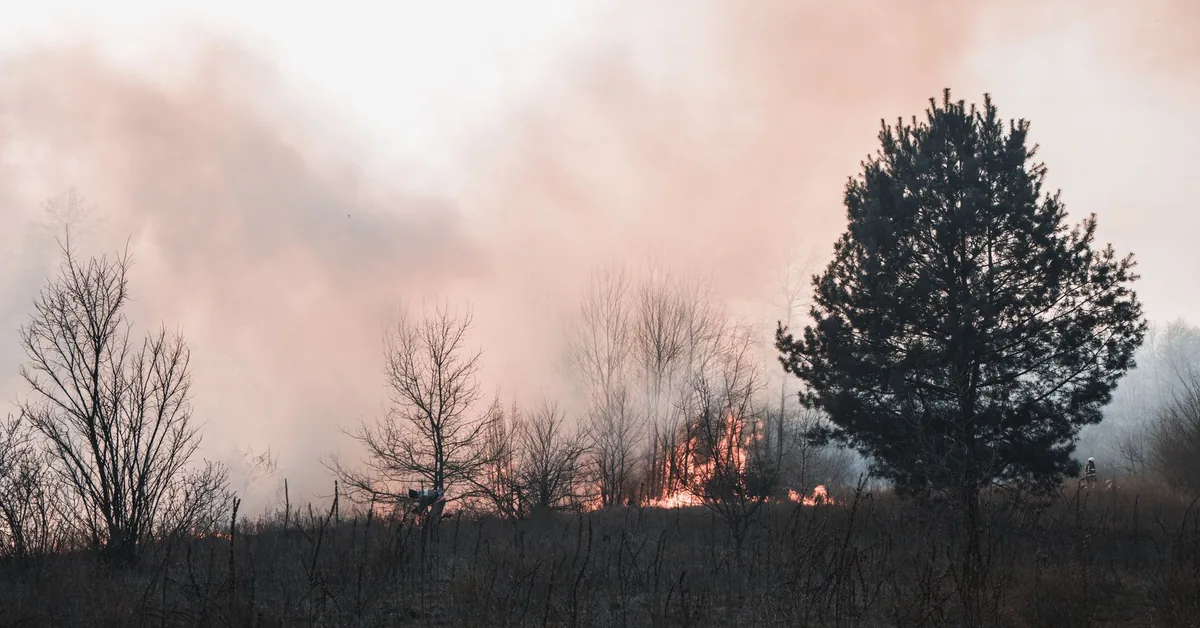
Pexels - Vladyslav Dukhin · original
In this article
Key Takeaway
Climate change is driving home insurance premiums higher across Canada. Insurers are raising rates and adjusting coverage in response to more frequent and severe weather events (floods, wildfires, hailstorms, windstorms) that have sharply increased the volume and cost of claims. In some high-risk areas, coverage is becoming harder to find or unaffordable.
Why Climate Change is Driving Premiums Up
Home insurance pricing is based on risk. When the frequency or severity of insured events rises, insurers adjust premiums to reflect the new baseline. Climate change has increased the risk in several ways:
- More severe weather events. Canada is experiencing more intense rainstorms, longer wildfire seasons, larger hailstorms, and stronger windstorms. According to the Insurance Bureau of Canada, severe weather is now the leading cause of property insurance claims in the country (IBC, 2026).
- Higher claim costs. Not only are events more frequent, they are also more destructive. A single severe weather event can now trigger hundreds of millions of dollars in insured losses, compared to tens of millions a generation ago.
- Wider geographic exposure. Flood zones are expanding, wildfire risk is moving into areas that were historically lower-risk, and coastal regions face increased storm surge and erosion.
When insurers pay out more in claims, they must collect more in premiums to remain financially stable and meet regulatory capital requirements set by the Office of the Superintendent of Financial Institutions (OSFI) and provincial regulators (OSFI, 2026).
The Evidence from Canada
The trend is clear in the data. Insured losses from severe weather have climbed sharply over the past two decades:
- Flooding. Overland flood claims (covered under optional overland water endorsements introduced in 2015) have grown rapidly. Major flood events in provinces such as British Columbia, Quebec, Ontario, and New Brunswick have each generated claim totals in the hundreds of millions of dollars.
- Wildfires. The 2016 Fort McMurray wildfire resulted in over C$3.7 billion in insured losses, the costliest disaster in Canadian history. Wildfire seasons are now longer and more destructive, affecting British Columbia, Alberta, Saskatchewan, and the Northwest Territories.
- Hail and wind. Alberta’s 2020 and 2021 hailstorms caused over C$1 billion each in insured damage. Severe thunderstorms across the Prairies and Ontario are increasing in frequency and intensity.
These losses do not stay with the insurers. They flow through to policyholders in the form of higher premiums, larger deductibles, and tighter underwriting (for example, exclusions or reduced coverage limits in high-risk zones).
What This Means for Homeowners
For most Canadian homeowners, the impact is financial:
Read also: Do Weather Predictions Lower Home Insurance Premiums in Canada?
- Premium increases. Rates have risen across most provinces, with the steepest increases in areas that have experienced recent major events (flood-prone river valleys, wildfire interface zones, hail corridors).
- Higher deductibles. Insurers are applying separate, higher deductibles for specific perils such as overland water (often C$2,500 to C$10,000 or a percentage of the dwelling coverage) and wind/hail.
- Coverage restrictions. In the highest-risk areas, some insurers are limiting coverage, declining renewals, or exiting certain postal codes entirely. Overland flood coverage may be unavailable or prohibitively expensive in flood plains.
- Policy conditions. Some insurers now require mitigation measures (sump pumps, backwater valves, wildfire-resistant materials) as a condition of coverage or to qualify for premium discounts.
If you live in a high-risk area and your current insurer non-renews your policy, you may need to turn to specialty or residual market insurers, which typically charge higher premiums.
What You Can Do
You cannot control the climate, but you can manage your exposure and costs:
- Review your coverage annually. Make sure your dwelling limit reflects current replacement cost and confirm you have overland water coverage if flood risk exists in your area.
- Invest in mitigation. Install a sump pump, backwater valve, or roof upgrades. Clear brush and maintain defensible space if you live near forests. Many insurers offer premium discounts for these measures.
- Increase your deductible. If you can afford a higher out-of-pocket cost in the event of a claim, raising your deductible can lower your premium.
- Shop around. Premiums vary significantly by insurer. Get quotes from multiple providers (brokers can help with this).
- Ask about mitigation programs. Some provinces and municipalities offer grants or rebates for flood-proofing and wildfire-resistant upgrades.
For personalised advice, speak with a licensed insurance broker in your province. Confirm current coverage options, exclusions, and requirements with your provincial insurance regulator and the insurer before making decisions.
Disclaimer: This article provides general information about how climate change is affecting home insurance premiums in Canada and is not financial or insurance advice. Insurance products, coverage, premiums, exclusions, and availability vary by province, territory, insurer, and individual property risk. Climate-related coverage (such as overland water and wildfire) may not be available or may be subject to restrictions or higher deductibles in high-risk areas. Always read the policy wording carefully and confirm details with a licensed insurance broker or agent and your provincial insurance regulator for your personal situation. Consult a licensed broker, financial advisor, or other qualified professional for advice tailored to your circumstances. Information is current as of June 2026; verify all details before making insurance decisions.
Sources
- Home Insurance Information (accessed )
- Financial Consumer Agency of Canada (accessed )
- Office of the Superintendent of Financial Institutions (accessed )
Related articles
What Canada's C$8.5B Disaster Year Means for Home Insurance Renewals
Canada's record C$8.5B disaster year may raise home insurance renewals. Learn what to check before accepting your next premium.

What to Compare Before Signing Your Home Insurance Renewal in Canada
Compare coverage, deductibles, premiums, and exclusions before signing your Canadian home insurance renewal. Checklist for autumn renewal season.

How to Compare Home Insurance Quotes in Canada the Right Way
Compare home insurance quotes in Canada the right way. Learn what coverage to match, how to spot gaps, and where premiums really differ.
