What to Know About Home Insurance During Wildfire Season in Canada
Wildfire coverage under Canadian home insurance policies, deductibles, and steps to protect your home and maximize your claim if disaster strikes.
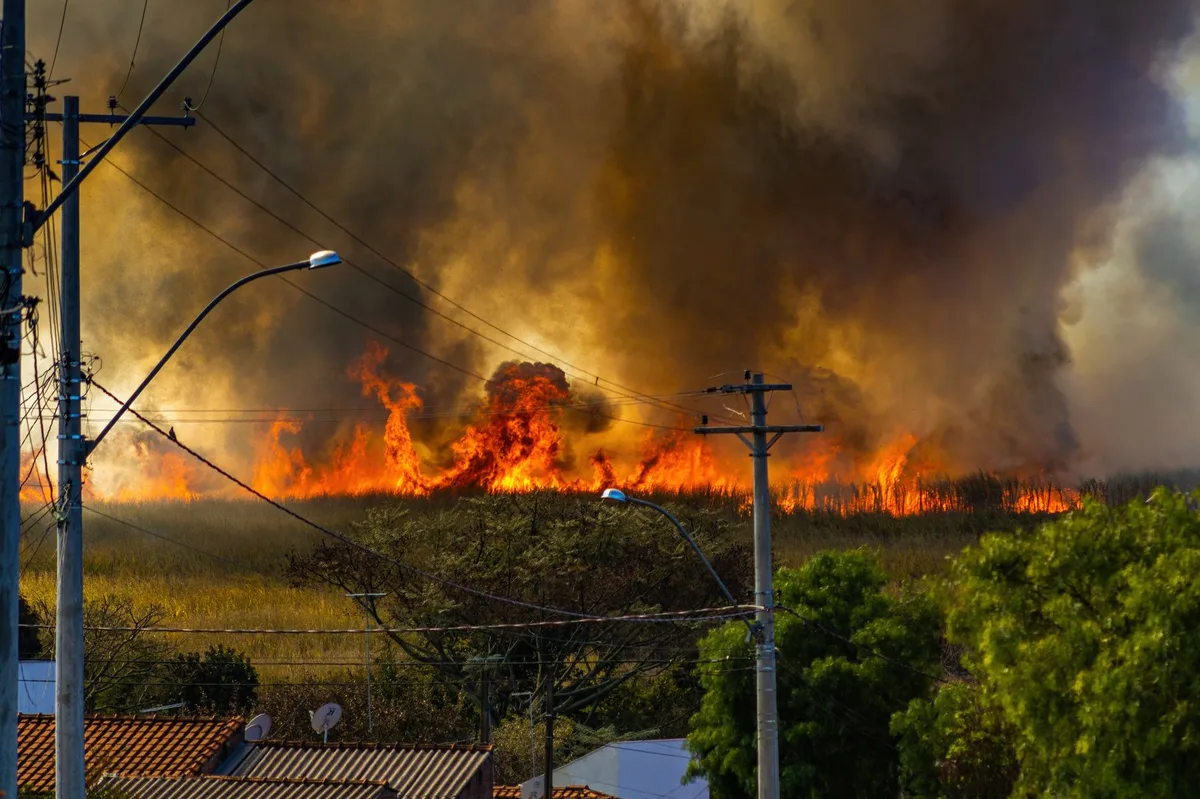
Pexels - Alexandre P. Junior · original
In this article
Key takeaway: Standard home insurance policies in Canada typically cover wildfire damage to your dwelling and personal property under the fire peril, but coverage limits, deductibles, and exclusions vary by insurer and province. During wildfire season, document your home and belongings, review your policy’s dwelling and contents coverage, confirm your deductible, and take fire-protection steps such as clearing debris and creating defensible space around your property.
Wildfire Coverage Under Your Home Policy
Most Canadian home insurance policies include fire as a named peril, which means damage caused by wildfire to your dwelling, detached structures, and personal property is typically covered. According to the Insurance Bureau of Canada, fire coverage is a standard component of comprehensive home insurance, though the specific terms and limits depend on your policy wording and the insurer.
Your dwelling coverage pays to repair or rebuild your home up to the policy limit if it is damaged or destroyed by wildfire. Personal property coverage pays to replace belongings lost in the fire, subject to your contents limit and any sub-limits on high-value items such as jewelry or electronics. Additional living expenses (ALE) coverage reimburses you for temporary accommodation, meals, and other costs if you are forced to evacuate and cannot live in your home while it is being repaired.
Coverage, exclusions, and limits vary by province and insurer. For example, some policies exclude damage from fire that originates on your property due to your own negligence, or they may impose separate deductibles for fire claims. Read your policy wording carefully and confirm the details with your insurance broker or agent before wildfire season begins.
Review Your Coverage Limits and Deductible
Wildfire risk is rising across Canada, particularly in British Columbia, Alberta, and parts of Ontario and Quebec. Before wildfire season, review your dwelling coverage limit to ensure it reflects the current replacement cost of your home, not the market value. Replacement cost is the amount it would cost to rebuild your home from the ground up using similar materials and construction standards, as covered in foundational texts such as Principles of Finance. If your home is underinsured and a total loss occurs, you may receive only a partial payout.
Also confirm your deductible, the amount you pay out of pocket before coverage kicks in. A standard deductible ranges from C$500 to C$2,500, but some insurers apply a separate, higher deductible for fire claims or catastrophic losses. Knowing your deductible in advance helps you budget and avoid surprises if you need to file a claim.
Review your personal property coverage and any sub-limits. High-value items such as art, collectibles, or electronics may be subject to lower limits unless you purchase additional coverage or schedule them separately on your policy. Take a home inventory now, photograph your belongings, and store the documentation in a secure, off-site location or cloud service.
Fire-Protection Steps to Take Now
Reducing your home’s wildfire risk may lower the chance of a claim and, in some cases, qualify you for a discount on your premium. The Insurance Bureau of Canada recommends creating defensible space around your home by clearing dry brush, leaves, and flammable debris from within 10 metres of your dwelling. Trim tree branches that overhang your roof, clean gutters regularly, and store firewood at least 10 metres away from the house.
Read also: Home Insurance Renewal Checklist for Autumn in Canada
Consider fire-resistant building materials if you are renovating or building. Metal or tile roofing, non-combustible siding, and tempered-glass windows can slow the spread of fire. Some insurers offer discounts for homes with fire-resistant features or for properties in communities with FireSmart certification, a national program that helps neighbourhoods reduce wildfire risk.
Install smoke alarms on every level of your home and test them monthly. Keep fire extinguishers accessible and ensure your family has an evacuation plan. If a wildfire evacuation order is issued, follow it immediately and notify your insurer as soon as it is safe to do so.
Filing a Wildfire Claim
If your home is damaged by wildfire, contact your insurer immediately to open a claim. Document the damage with photographs and videos before any cleanup or repairs begin, and keep receipts for emergency purchases such as temporary accommodation, clothing, and food. Your insurer will send an adjuster to assess the damage and determine the payout.
Be aware that during large-scale wildfire events, claim processing times may be longer due to the volume of claims. Ask your insurer about advance payments for additional living expenses if you need funds urgently for temporary housing.
Next Steps
Before wildfire season, read your policy wording, confirm your coverage limits and deductible, and document your home and belongings. Take fire-protection steps such as clearing debris and creating defensible space. If you live in a high-risk area or your coverage seems inadequate, contact a licensed insurance broker to review your options and confirm you have the protection you need.
Disclaimer: This article provides general information only and is not financial, insurance, or legal advice. Home insurance coverage, exclusions, and availability vary by province, territory, and insurer. Wildfire risk and fire-protection requirements differ by region and local conditions. Read your policy wording carefully and confirm coverage details, limits, and deductibles with a licensed insurance broker or agent and your provincial insurance regulator before making decisions. For personalized advice on your situation, consult a licensed insurance professional in your province.
Sources
- Home Insurance (accessed )
- Insurance (accessed )
- Insurance Basics (accessed )
- Principles of Finance (accessed )
Related articles

How Extreme Weather Is Driving Home Insurance Claims to Record Highs in Canada
Statistics Canada data shows extreme weather is driving Canadian home insurance claims to record levels. Learn what's behind the surge and what it means for your coverage.

Home Insurance Renewal Checklist for Autumn in Canada
Review your Canadian home insurance renewal with this checklist: coverage amounts, premiums, deductibles, exclusions, and discounts to compare before signing.

How Inflation Has Affected Home Insurance in Canada
Discover how inflation has increased home insurance premiums in Canada through replacement costs, claims expenses, and severe weather impacts.
