How Extreme Weather Is Driving Home Insurance Claims to Record Highs in Canada
Statistics Canada data reveals extreme weather events are pushing Canadian home insurance claims to unprecedented levels, reshaping coverage and costs across the country.

Pexels - Pok Rie · original
In this article
Key Takeaway
Recent Statistics Canada data confirms that extreme weather events are driving Canadian home insurance claims to record highs, with flooding, wildfires, and severe storms causing unprecedented damage across the country. This surge is reshaping the home insurance landscape, leading to higher premiums, stricter coverage requirements, and gaps in protection that many homeowners are only discovering after a loss. Understanding what’s covered, what’s excluded, and how to protect your home has never been more important for Canadian property owners.
The Numbers Tell the Story
Canadian home insurance claims have reached levels never seen before, and the culprit is clear: extreme weather. According to Statistics Canada, insured losses from severe weather events have escalated dramatically over the past decade, with recent years setting new records for both the frequency and severity of claims (Statistics Canada, 2026).
The Insurance Bureau of Canada reports that catastrophic weather events now cost the Canadian insurance industry billions of dollars annually, a stark increase from historical norms (IBC, 2026). What was once considered a rare, once-in-a-century event is now happening with alarming regularity, forcing both insurers and homeowners to rethink how they approach property protection.
What’s Driving the Surge
The rise in home insurance claims stems from several interconnected weather phenomena that have intensified across Canada:
Flooding has emerged as the single largest driver of home insurance claims nationwide. Heavy rainfall events, rapid snowmelt, and overland water damage are affecting communities that never experienced flooding before. The challenge is compounded by aging municipal infrastructure that cannot handle the increased water volume.
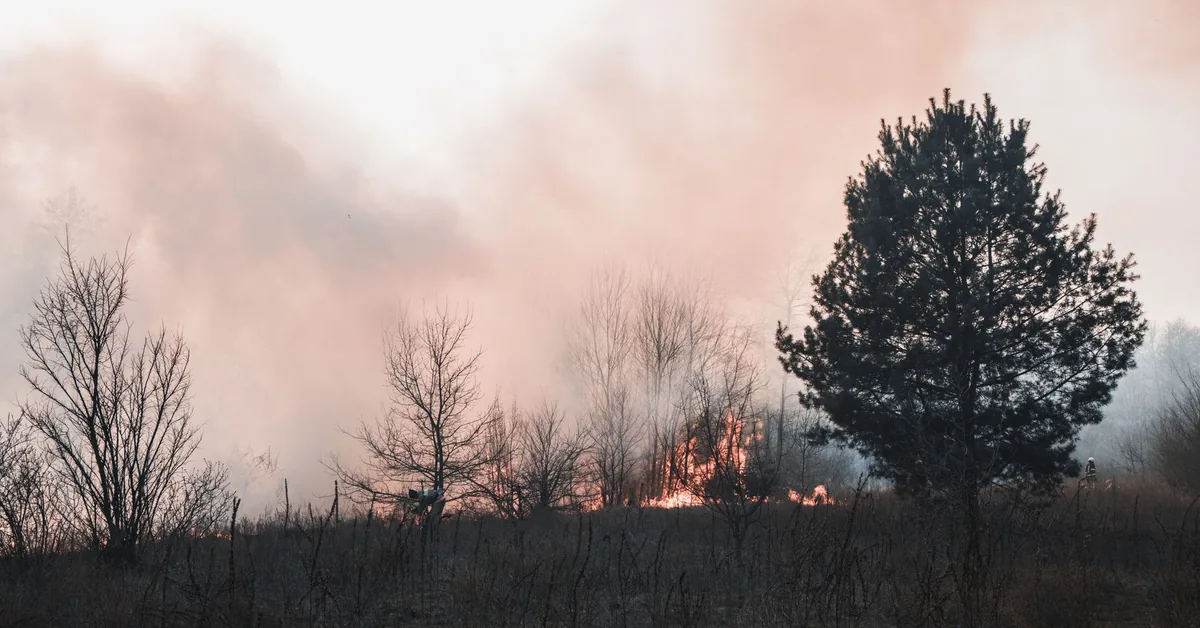
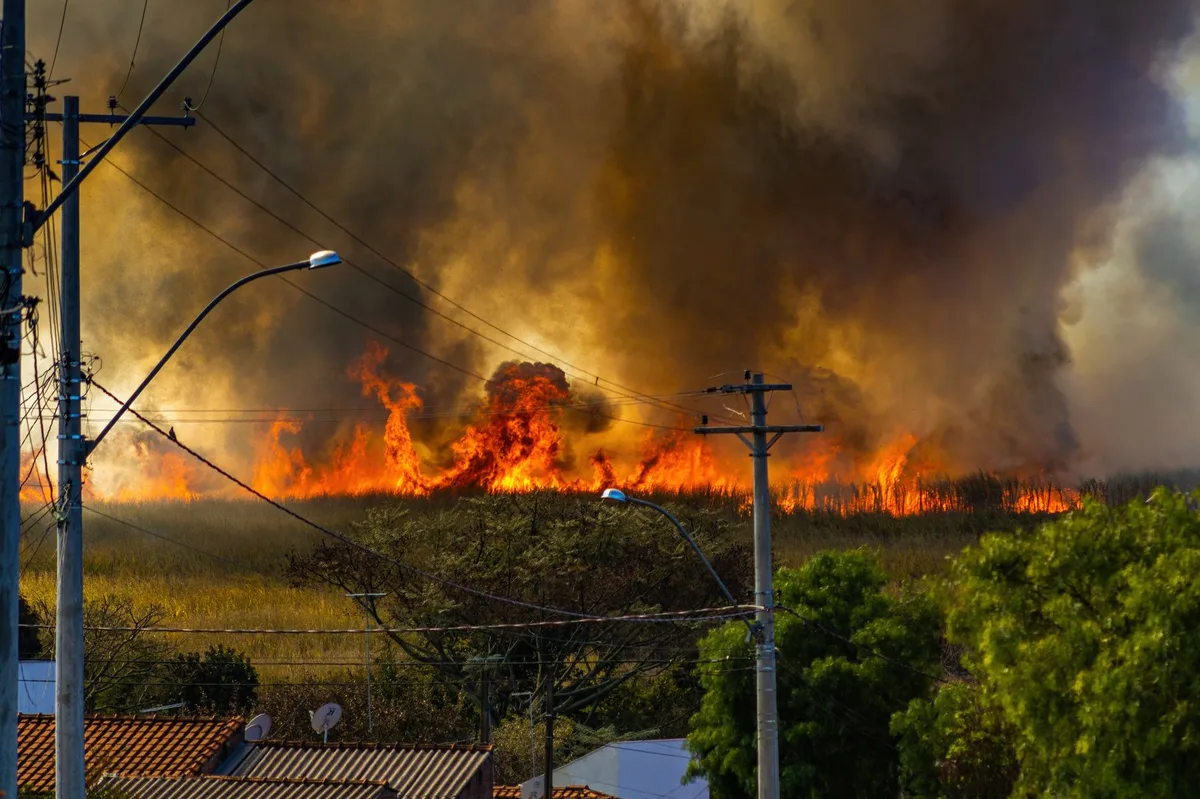
Wildfires have devastated communities across British Columbia, Alberta, Saskatchewan, and increasingly in Ontario and Quebec. The 2023 wildfire season alone displaced thousands and resulted in record insured losses, a pattern that has continued into subsequent years.
Severe storms bringing high winds, hail, and tornadoes are occurring more frequently and with greater intensity. Hailstorms in Alberta and severe wind events across the Prairies have caused billions in damage to homes, vehicles, and property.
Freeze-thaw cycles and winter storms are creating new risks, with ice dams, frozen pipes, and roof collapses adding to the claims burden, particularly in regions experiencing more volatile temperature swings.
How Coverage Works and Where Gaps Exist
Standard home insurance policies in Canada typically cover sudden and accidental damage from perils like fire (including wildfire), wind, and hail. However, critical gaps exist that catch many homeowners off guard.
Overland flooding, the type of flooding that occurs when water enters your home from outside sources like rivers, lakes, or heavy rain runoff, was historically excluded from standard policies. While many insurers now offer overland flood coverage as an optional endorsement, it is not automatically included and comes with specific limits, deductibles, and exclusions. Many homes in high-risk flood zones cannot obtain this coverage at all (FCAC, 2026).
Sewer backup is a separate coverage that must be added to most policies. With heavy rainfall overwhelming municipal systems, this has become an essential endorsement for urban and suburban homeowners.
Earthquake coverage remains optional and is a separate consideration from weather-related perils, though it is particularly relevant in British Columbia and parts of Quebec.
Read also: What to Know About Home Insurance During Wildfire Season in Canada
As covered in foundational texts such as Principles of Finance, insurance operates on the principle of pooling risk, but when risks become too concentrated or too frequent, the traditional model faces strain (OpenStax, 2022). This is exactly what is happening with extreme weather in Canada.
What This Means for Your Premium and Protection
The surge in claims is directly affecting what homeowners pay for coverage. Premiums have risen across most provinces, with the sharpest increases in regions experiencing the highest frequency of severe weather events. Insurers are also raising deductibles, particularly for water damage and weather-related claims, meaning homeowners bear more of the cost when a loss occurs.
Some insurers are withdrawing from high-risk markets entirely or imposing stricter underwriting requirements, such as demanding roof inspections, upgraded electrical systems, or specific flood mitigation measures before issuing or renewing a policy.
Steps You Can Take
Given this changing landscape, Canadian homeowners should take proactive measures:
Review your policy annually to understand exactly what is and is not covered. Pay particular attention to water damage exclusions, deductibles, and coverage limits for personal property and dwelling.
Add optional coverages where appropriate. Overland flood coverage, sewer backup protection, and increased replacement cost limits are worth considering based on your location and risk profile.
Document your belongings with photos and receipts. In the event of a total loss, this documentation is essential for a full and fair settlement.
Implement risk reduction measures. Installing a sump pump with battery backup, improving drainage around your foundation, trimming trees near your home, and maintaining your roof can reduce your risk and potentially lower your premium.
Confirm coverage limits annually. Inflation and rising construction costs mean your coverage limits from five years ago may no longer be sufficient to rebuild your home today. Replacement cost coverage is essential, and many policies now offer extended or guaranteed replacement cost endorsements.
Conclusion
The record surge in Canadian home insurance claims driven by extreme weather is not a temporary anomaly but a fundamental shift in the risk landscape. As climate patterns continue to evolve, homeowners must become more informed and proactive about their coverage. Work with a licensed insurance broker to ensure your policy reflects your actual needs, verify that critical endorsements are in place, and understand your deductibles and limits. Provincial regulations vary, so consult your provincial insurance regulator and a licensed broker for guidance specific to your location and circumstances.
Disclaimer
This article provides general information about home insurance claims and extreme weather trends in Canada. It is not insurance advice, and coverage, exclusions, premiums, and availability vary significantly by province, territory, insurer, and individual property characteristics. Insurance products and regulations are subject to change. Confirm all details with a licensed insurance broker or agent and consult your provincial insurance regulator for information specific to your situation before making any insurance decisions.
Sources
- Home Insurance in Canada (accessed )
- Insurance Products and Services (accessed )
- Statistics Canada (accessed )
- Principles of Finance (accessed )
Related articles
How Climate Change Is Affecting Home Insurance Premiums in Canada
Climate change is raising home insurance premiums across Canada through increased flood, wildfire, and storm claims. Learn how risks vary by region.
What to Know About Home Insurance During Wildfire Season in Canada
What Canadian homeowners need to know about wildfire coverage, deductibles, documentation, and fire-protection steps during wildfire season.

Home Insurance Renewal Checklist for Autumn in Canada
Review your Canadian home insurance renewal with this checklist: coverage amounts, premiums, deductibles, exclusions, and discounts to compare before signing.
