Home Insurance in Canada: Property, Contents, and Liability Coverage
Learn how Canadian home insurance protects your dwelling, belongings, and liability exposure, with coverage details that vary by province.
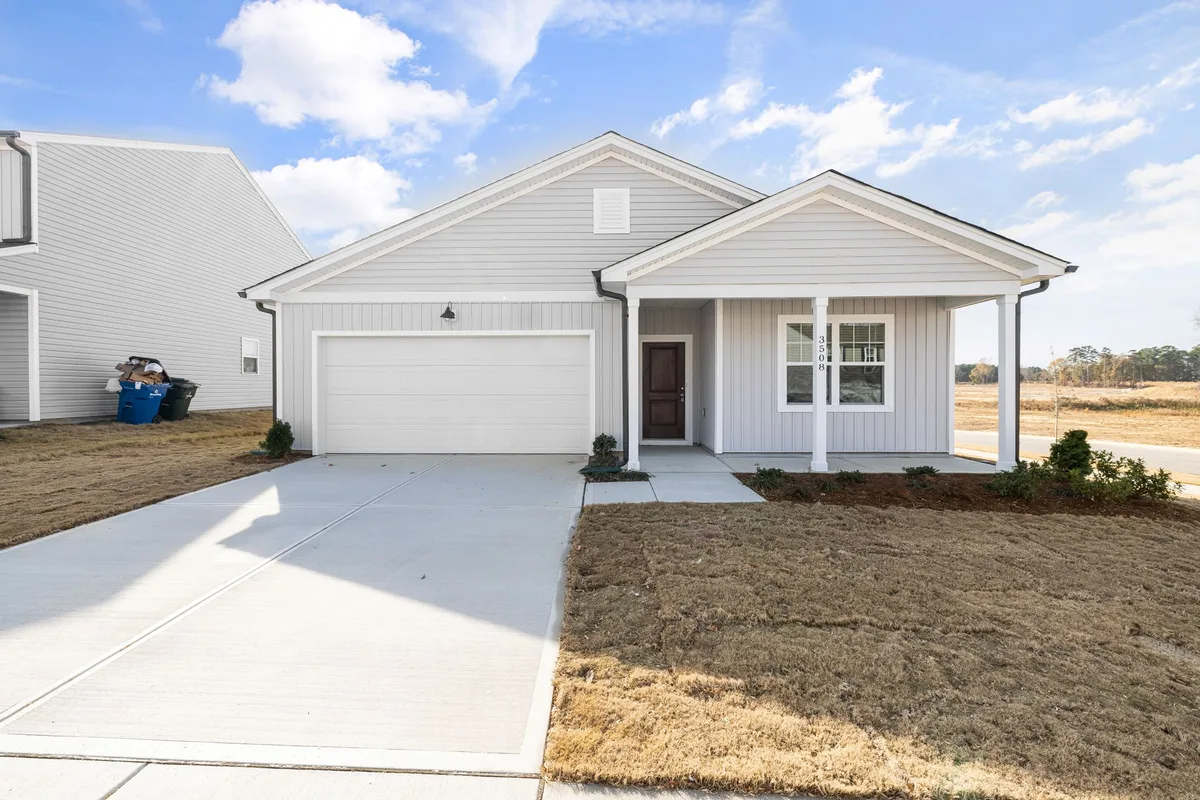
Pexels - Curtis Adams · original
In this article
Key Takeaway
Home insurance in Canada protects you through three main coverage components: property (dwelling) coverage pays to repair or rebuild your home’s structure after covered damage, contents (personal property) coverage replaces your belongings, and liability coverage defends you if someone is injured on your property or you damage someone else’s property. Most policies bundle all three, with limits and exclusions that vary by province, insurer, and the specific policy wording.
What Home Insurance Covers in Canada
Home insurance is a contract between you and an insurer that transfers the financial risk of owning a home. When you pay a premium, the insurer agrees to cover losses from specified perils such as fire, theft, windstorm, and water damage (subject to exclusions). According to the Insurance Bureau of Canada, home insurance is structured around three core components: property coverage, contents coverage, and liability coverage (IBC, 2024).
Understanding these three components helps you choose appropriate coverage limits and avoid gaps that could leave you financially exposed. While home insurance is not legally required in Canada (except by mortgage lenders), the risk of paying out-of-pocket for a total loss makes it essential for most homeowners.
Property (Dwelling) Coverage
Property coverage, also called dwelling coverage, pays to repair or rebuild the physical structure of your home and attached structures such as an attached garage or deck. This is the foundation of a home insurance policy.
What it covers: The dwelling itself (walls, roof, foundation, built-in appliances, permanently installed fixtures), plus structures attached to the home. Coverage applies to perils listed in your policy, typically fire, lightning, explosion, windstorm, hail, smoke, vandalism, and falling objects.
Coverage limits: You choose a dwelling coverage limit when you buy the policy. This should reflect the cost to rebuild your home at current construction prices, not the market value or purchase price. Underinsuring your dwelling is a common mistake: if your home would cost C$400,000 to rebuild but you carry only C$300,000 in dwelling coverage, you will face a shortfall after a total loss. Many insurers require at least 80% of the replacement cost to avoid co-insurance penalties, and some offer guaranteed replacement cost coverage that pays the full rebuild cost even if it exceeds your limit (at a higher premium).
What is typically excluded: Flood (overland water) damage is excluded from standard dwelling coverage in most provinces. You must purchase separate overland water coverage as an endorsement. Earthquake, sewer backup, and gradual damage (wear and tear, rot, mould from long-term neglect) are also commonly excluded unless you add specific endorsements.
Contents (Personal Property) Coverage
Contents coverage, also called personal property coverage, reimburses you for belongings damaged, destroyed, or stolen in a covered event. This includes furniture, clothing, electronics, appliances not built into the home, and other personal items.
What it covers: Most policies cover contents anywhere in the world, not just inside your home. If your laptop is stolen from your car or your luggage is lost during travel, contents coverage may apply (subject to policy limits and sub-limits for certain categories).
Coverage limits and sub-limits: Contents coverage is typically a percentage of your dwelling coverage, often 50% to 70%. If you carry C$400,000 in dwelling coverage, you might have C$200,000 to C$280,000 in contents coverage. However, policies impose sub-limits on high-value categories: jewelry, art, collectibles, cash, and business property often have per-item or per-category caps (for example, C$5,000 total for jewelry). You can schedule high-value items separately for full coverage.
Replacement cost vs. actual cash value: Policies pay contents claims on either a replacement cost basis (the cost to buy a new equivalent item today) or an actual cash value basis (replacement cost minus depreciation). Replacement cost coverage costs more but avoids disputes over depreciation. Always confirm which basis your policy uses.
Liability Coverage
Liability coverage protects you if you are legally responsible for injuring someone or damaging their property. This is the third pillar of home insurance and often the most underestimated, as covered in foundational risk management texts such as Introduction to Business.
What it covers: If a guest slips on your icy walkway and sues for medical costs and lost wages, liability coverage pays your legal defence and any settlement or judgment up to your policy limit. It also covers damage you or a family member cause to someone else’s property (for example, your child accidentally breaks a neighbour’s window). Liability coverage extends beyond your property: if your dog bites someone at a park, or you damage a hotel room, coverage may apply.
Coverage limits: Liability limits typically start at C$1,000,000 and can be increased to C$2,000,000 or more. Higher limits cost relatively little and are worth considering, given that a serious injury claim can easily exceed C$1,000,000. According to the Financial Consumer Agency of Canada, liability coverage is a critical component of personal financial protection (FCAC, 2024).
What is excluded: Intentional acts, business activities (you need commercial liability coverage), and claims arising from motor vehicle accidents (covered by auto insurance) are excluded. Professional liability (for example, a lawsuit from a client) also requires separate coverage.
Read also: Home Insurance in Canada: What Is and Is Not Covered
How the Three Components Work Together
A comprehensive home insurance policy bundles property, contents, and liability coverage into a single premium. When a covered event occurs, each component responds to a different type of loss:
- A fire destroys your home: property coverage rebuilds the structure, contents coverage replaces your belongings, and liability coverage defends you if a firefighter is injured on your property and sues.
- A thief breaks in: contents coverage replaces stolen items, and property coverage repairs the damaged door or window.
- A guest is injured: liability coverage pays their medical costs and legal fees.
Each coverage type has its own limit, deductible, and exclusions, so review your policy wording carefully. Policies are sold as named-perils (covering only listed events) or all-risk (covering all events except those specifically excluded). All-risk is broader and more expensive.
Provincial Differences
Insurance is regulated provincially in Canada, and coverage requirements, standard exclusions, and insurer practices vary by province and territory. For example, overland flood coverage became widely available in most provinces only after 2015, and availability and pricing still differ by region. Some provinces have higher wind and hail risk (Alberta, Saskatchewan), while others face higher flood risk (parts of Ontario, Quebec, British Columbia).
Always confirm requirements with your provincial regulator (such as the Financial Services Regulatory Authority of Ontario in Ontario, or the Autorité des marchés financiers in Quebec) and a licensed insurance broker for your specific situation.
Common Exclusions and Gaps
Standard home insurance excludes:
- Flood (overland water): you must add this as an endorsement where available.
- Earthquake: requires a separate endorsement, particularly important in British Columbia.
- Sewer backup: add this endorsement for coverage.
- Damage from lack of maintenance: policies cover sudden, accidental losses, not gradual wear or neglect.
- Business activities: home-based businesses need commercial coverage.
How to Choose Coverage Amounts
- Dwelling coverage: base this on the estimated cost to rebuild your home, not the market value. Ask your insurer or broker for a rebuild cost estimate, and update it every few years as construction costs change.
- Contents coverage: inventory your belongings and estimate replacement cost. If the default percentage of dwelling coverage is insufficient, increase it.
- Liability coverage: carry at least C$1,000,000, and consider C$2,000,000 if you have significant assets to protect or higher-risk exposures (for example, a pool, trampoline, or dog).
Frequently Asked Questions
Is home insurance required by law in Canada?
No, but mortgage lenders require it as a condition of financing, and the risk of a total loss makes it essential for most homeowners.
Does home insurance cover flood damage?
Standard policies exclude flood (overland water). You must purchase overland water coverage as an endorsement, where available. Sewer backup is also excluded unless you add it.
What is the difference between replacement cost and actual cash value?
Replacement cost pays the cost to replace an item with a new equivalent. Actual cash value pays replacement cost minus depreciation. Replacement cost coverage is more comprehensive but costs more.
Can I increase my liability coverage?
Yes. Increasing liability coverage from C$1,000,000 to C$2,000,000 typically costs C$50 to C$100 per year, a small price for the additional protection.
Conclusion
Home insurance in Canada protects you through three interconnected components: property (dwelling) coverage for the structure, contents (personal property) coverage for your belongings, and liability coverage for legal claims. Together, they shield you from the financial consequences of fire, theft, storms, and lawsuits. Coverage, exclusions, and availability vary by province and territory, and by insurer, so review your policy wording carefully, inventory your belongings, estimate rebuild costs accurately, and add endorsements for flood, earthquake, and sewer backup where needed. Verify requirements with your provincial regulator and confirm details with a licensed insurance broker for your personal situation.
Disclaimer: This article provides general information only and is not insurance, legal, or financial advice. Home insurance products, coverage, exclusions, limits, and rules vary by province and territory, and by insurer and policy wording. Confirm current terms, requirements, and availability with a licensed insurance broker or agent and your provincial insurance regulator before making decisions. Coverage and premium amounts mentioned are examples only and may not reflect current market conditions as of October 2026.
Sources
- Home Insurance (accessed )
- Insurance (accessed )
- Introduction to Business (accessed )
Related articles
Home Insurance in Canada: What Is and Is Not Covered
Learn what home insurance covers in Canada (dwelling, liability, personal property) and common exclusions like flood and earthquake damage.

What Is and Is Not Covered by Home Insurance in Canada: A Complete Guide
Discover what home insurance covers and excludes in Canada. Learn about dwelling, personal property, liability, and optional coverage you may need.
Does Home Insurance Cover Damage from Power Outages in Canada?
Does home insurance cover power outage damage in Ontario? Learn what's covered, what's excluded, and how to protect your home from electrical losses.
