Fire Insurance Claims: When to Tell Your Home Insurance Provider in Canada
Learn when and how to notify your home insurance provider about a fire, what information to gather, and why prompt reporting protects your claim.
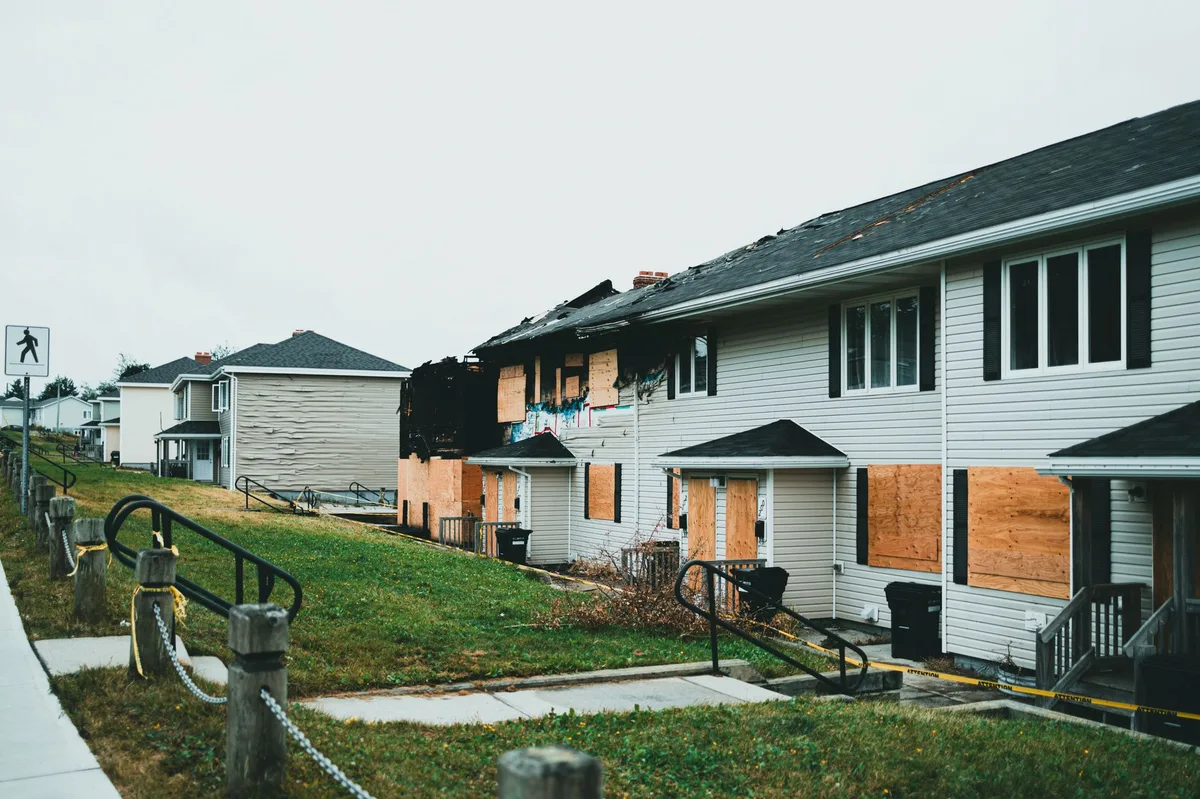
Pexels - Jonathan Cooper · original
In this article
Key Takeaway: Notify your home insurance provider immediately after any fire, regardless of damage severity. Most Canadian home insurance policies require prompt notification (typically within 24 to 48 hours), and delayed reporting can jeopardize your claim or reduce your settlement. Even a small kitchen fire with no visible damage should be reported to protect your coverage and maintain your policy obligations.
A fire in your home triggers immediate stress and safety concerns. Once everyone is safe and the fire is extinguished, one of your first calls should be to your home insurance provider. Understanding when and how to report a fire claim protects your financial recovery and ensures you meet your policy obligations under Canadian insurance law.
What You Will Learn
This guide explains when you must notify your home insurance provider about a fire, the step-by-step reporting process, what information insurers need, common mistakes that delay claims, and the consequences of late notification. You will understand your contractual obligations and learn how to protect your claim from the moment the fire is out.
Understanding Your Notification Obligation
Canadian home insurance policies contain a “prompt notification” clause that requires policyholders to report losses as soon as reasonably possible. According to the Insurance Bureau of Canada, this obligation is a fundamental condition of coverage (IBC, 2024). While specific timelines vary by insurer and province, most policies define “prompt” as within 24 to 48 hours of discovering the loss.
This requirement exists because insurers need to investigate the cause of the fire, assess damage before conditions change, and prevent fraud. Delayed notification can compromise the investigation, making it harder to verify your claim. In extreme cases, insurers may deny coverage entirely if they can demonstrate that the delay prejudiced their ability to assess the loss.
Provincial insurance regulators, such as the Financial Services Regulatory Authority of Ontario (FSRA) and the Autorité des marchés financiers (AMF) in Quebec, oversee these obligations. The Financial Consumer Agency of Canada notes that policyholders who fail to meet notification requirements may face claim denials or reduced settlements (FCAC, 2024).
When to Notify: Common Fire Scenarios
Any fire that requires fire department response: If firefighters attended your home, notify your insurer immediately, even if damage appears minimal. The fire department report becomes key evidence for your claim.
Kitchen fires with visible damage: Smoke damage to cabinets, walls, or ceilings requires notification. Smoke and soot can penetrate building materials and personal property, causing damage that worsens over time.
Electrical fires, even if self-extinguished: Electrical fires indicate a serious hazard. Notify your insurer and arrange for a licensed electrician to inspect your home before resuming electrical use.
Fires with no visible damage: If you extinguished a small fire with no apparent damage, still notify your insurer. Hidden smoke damage or structural concerns may emerge later, and unreported incidents can complicate future claims.
Chimney or fireplace fires: Even minor chimney fires can damage flue liners and create carbon monoxide risks. Report these incidents and arrange for a chimney inspection.
The general rule is simple: when in doubt, report. Insurers would rather receive a notification about a minor incident that results in no claim than discover an unreported fire when you file a later claim for related damage.
How to Report a Fire Claim to Your Insurer
Step 1: Ensure safety first. Confirm that everyone is safe, the fire is fully extinguished, and the fire department (if called) has cleared the scene. Do not re-enter the property until authorities confirm it is safe.
Step 2: Contact your insurer’s claims line immediately. Most insurers operate 24-hour claims hotlines. Your policy documents and insurance card list this number. If you cannot locate it, call your broker or agent.
Step 3: Provide initial details. The claims representative will ask for your policy number, the date and time of the fire, the cause (if known), and a preliminary description of damage. Be factual and avoid speculation about causes you are unsure of.
Step 4: Document the scene. If safe to do so, take photographs and videos of all damaged areas before cleanup or repairs. Document smoke damage, charring, water damage from firefighting efforts, and affected personal property.
Step 5: Secure the property. Your policy requires you to prevent further damage. Board up broken windows, cover roof damage with tarps, and turn off utilities if advised by firefighters or inspectors. Keep receipts for emergency repairs; most policies cover reasonable costs to prevent additional loss.
Step 6: Cooperate with the adjuster. Your insurer will assign a claims adjuster to inspect the damage, often within 24 to 72 hours. Provide access to the property and answer questions truthfully.
What Information to Gather
Prepare the following information before calling your insurer:
- Your policy number and contact information
- Date, time, and location of the fire
- How the fire started (if known)
- Whether the fire department responded (obtain the incident report number)
- A preliminary list of damaged items (detailed inventory follows later)
- Contact information for any contractors who performed emergency repairs
- Photos and videos of damage from multiple angles
Read also: Understanding Ontario Home Insurance Premium Increases in Canada
If you rent your home, notify both your tenant insurance provider and your landlord immediately. Your tenant insurance covers personal property and additional living expenses, while the landlord’s property insurance covers the building structure.
Common Mistakes to Avoid
Delaying notification to assess damage yourself. Call your insurer immediately, before you fully understand the extent of damage. You can update details as you learn more.
Starting permanent repairs before the adjuster inspects. Emergency repairs to prevent further damage are required and covered, but permanent reconstruction should wait until the adjuster completes the assessment. Premature repairs can void coverage for related damage.
Discarding damaged items before documentation. Keep all damaged property until the adjuster or claims investigator reviews and photographs it, even if it appears to be a total loss.
Assuming minor fires do not require reporting. Small fires can cause hidden damage, and unreported incidents may complicate future claims or renewals.
Failing to keep receipts for emergency expenses. Document all costs for temporary housing, emergency repairs, and replacing immediately necessary items. Most policies cover these costs, but you must prove the expenses.
Frequently Asked Questions
How quickly must I report a fire to my insurer?
Most Canadian home insurance policies require notification within 24 to 48 hours. Call immediately after ensuring safety and securing the scene.
Will reporting a small fire increase my premium?
Notification itself does not automatically increase premiums. Premium impacts depend on whether you file a claim, the claim amount, your claims history, and your insurer’s underwriting policies. However, failure to report can lead to coverage denial.
What if I am unsure whether damage qualifies as a claim?
Report the fire and let your insurer assess the damage. You can decide later whether to proceed with a claim after learning the estimated repair costs and your deductible.
Can my insurer deny my claim if I report late?
Yes, if the insurer can demonstrate that the delay prejudiced their ability to investigate the loss or increased the damage. Prompt notification is a policy condition.
Do I need a fire department report to file a claim?
Not always, but a fire department report strengthens your claim by providing independent verification of the incident, its cause, and the response. Obtain a copy for your records.
Conclusion
Immediate notification is your most important obligation after a fire in your home. Contact your insurer within 24 to 48 hours, document all damage, secure the property to prevent further loss, and cooperate fully with the claims process. Prompt reporting protects your claim and ensures you receive the coverage you pay for. If you are unsure whether a fire requires notification, err on the side of caution and call your insurer or licensed broker for guidance.
Disclaimer: This article provides general information about fire insurance claim notification requirements in Canada and does not constitute financial, legal, or insurance advice. Home insurance policies, coverage, and notification requirements vary by insurer, province, and territory. Coverage terms, exclusions, and obligations are defined in your specific policy wording. For your personal situation, consult a licensed insurance broker or agent in your province and review your policy documents to confirm notification timelines and claims procedures. Provincial insurance regulators provide additional consumer resources; contact the regulator in your province for complaints or disputes.
Sources
- Home Insurance (accessed )
- Insurance (accessed )
- Introduction to Business (accessed )
Related articles

Home Insurance in Canada: Property, Contents, and Liability Coverage
Canadian home insurance covers three main areas: property (dwelling), contents (personal belongings), and liability. Learn how each protects you.

Understanding Ontario Home Insurance Premium Increases in Canada
Ontario home insurance premiums climbed 6.2% in 2026. Learn how insurers map property risks and what's driving costs across the province.
Does Home Insurance Cover Wildfire Damage in Canada?
Standard home insurance in Canada covers wildfire damage under comprehensive coverage. Learn what's covered, exclusions, and how to file a claim.
