Should You Arrange Flood Insurance Before Winter in the UK
UK authorities recommend arranging flood insurance ahead of the autumn and winter flood season, when claims rise sharply and cover can be harder to secure.
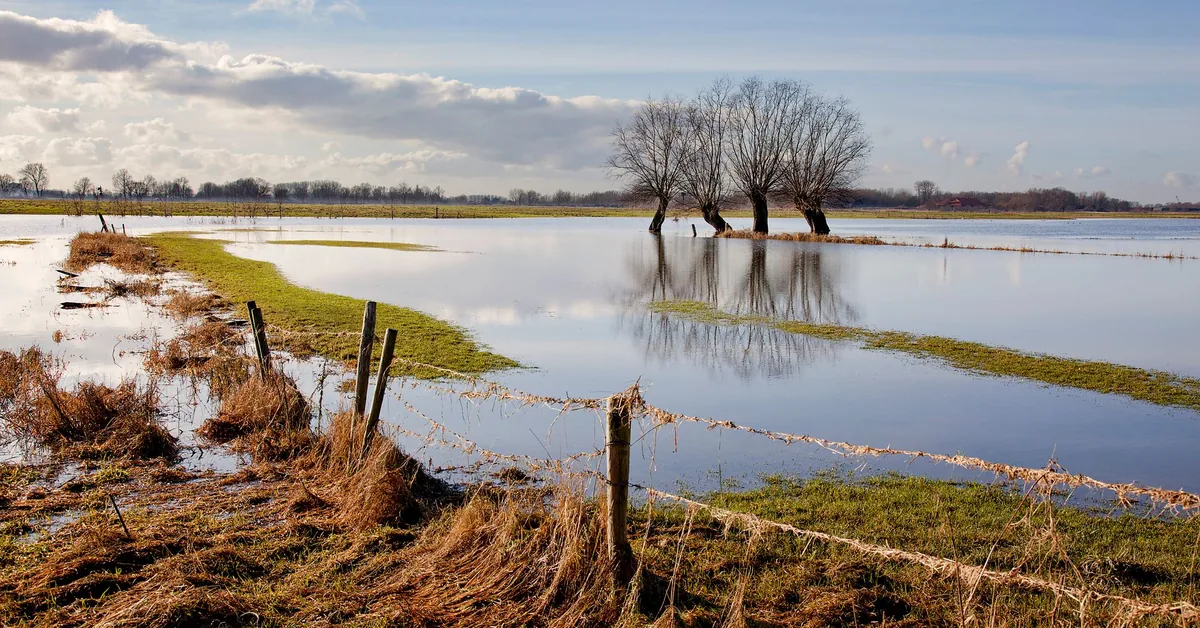
Pexels - Toon de Vos · original
In this article
UK authorities and insurance bodies routinely remind homeowners to arrange flood insurance well before the autumn and winter months, when flood risk peaks. Arranging cover early avoids the rush when flood warnings are issued, ensures you are protected if flooding occurs, and may give you access to better terms before insurers tighten underwriting in high-risk periods. Many standard buildings insurance policies either exclude flood damage or require an additional premium, so checking your position now is essential.
Why timing matters for flood cover
Flood insurance claims in the UK surge during the autumn and winter flooding season, typically running from October through March. According to the Association of British Insurers, insurers pay out hundreds of millions of pounds in flood claims each year, with the majority concentrated in these months (ABI, 2024). When severe weather warnings are issued, insurers may temporarily stop offering new flood cover in affected postcodes or apply stricter terms, leaving households without protection at the moment they need it most.
Arranging cover before the season begins means your policy is already in force when flood warnings arrive. It also gives you time to compare quotes, understand exclusions, and confirm whether your property falls within a Flood Re eligible area (see below).
What flood insurance covers in the UK
Flood damage is typically covered under buildings insurance, which protects the structure of your home (walls, roof, floors, permanent fixtures) against water ingress from external flooding, such as rivers bursting their banks, surface water runoff, or coastal surges. Contents insurance covers your belongings damaged by floodwater.
Standard policies vary. Some automatically include flood cover, while others exclude it entirely or require an additional premium, especially for properties in flood risk zones. Always read the policy wording and the key facts document to confirm what is and is not covered. Excess amounts (the sum you pay towards each claim) are often higher for flood claims than for other perils.
Flood Re and high-risk properties
Flood Re is a government-backed reinsurance scheme established in 2016 to help households in flood-risk areas access affordable buildings insurance. Insurers ceding flood risk to Flood Re can offer cover at capped premiums, making policies available to properties that might otherwise be uninsurable or prohibitively expensive. MoneyHelper notes that Flood Re has improved access to cover for thousands of households previously shut out of the market (MoneyHelper, 2024).
Read also: Flood Season Alert: Why UK Homeowners Should Consider Flood Insurance
Not all properties or policies are eligible. Flood Re covers buildings insurance for homes built before 1 January 2009 and excludes business premises, buy-to-let properties (though some lenders require you to insure as if owner-occupied), and leasehold flats where the freeholder arranges the buildings cover. Contents insurance premiums are not capped by Flood Re, so you may still face higher costs there. Check with your insurer whether your policy is Flood Re backed.
What to do now
If you do not currently have buildings insurance or are unsure whether your policy includes flood cover, contact your insurer or an FCA-authorised insurance adviser to confirm your position. Obtain quotes from multiple insurers, as pricing and terms vary significantly, especially for flood-prone postcodes. Check your property’s flood risk using the Environment Agency’s online flood map (for England) or the equivalent service in your nation.
If you live in a high-risk area and struggle to find affordable cover, ask brokers and insurers explicitly about Flood Re backed policies. According to Citizens Advice, many households remain unaware they can access Flood Re cover through their insurer (Citizens Advice, 2024).
Review your cover annually, ideally before autumn. Flood risk can change as drainage systems age, development alters runoff patterns, and climate shifts increase storm intensity. Keeping your buildings and contents cover up to date protects your financial resilience if the worst happens.
Financial disclaimer
This article provides general information only and does not constitute regulated financial advice. We are not authorised by the Financial Conduct Authority. Flood insurance needs, cover limits, exclusions, and availability vary by property, insurer, and policy wording. You should read the policy documents carefully and consider speaking to an FCA-authorised insurance adviser to discuss your personal circumstances before purchasing or renewing flood cover. Verify all terms, premiums, and Flood Re eligibility with your insurer or adviser before deciding.
Sources
- Insurance Products and Issues (accessed )
- Insurance Guidance (accessed )
- Consumer Insurance Guidance (accessed )
Related articles

Flood Season Alert: Why UK Homeowners Should Consider Flood Insurance
Flood season is here. Learn why UK homeowners should review their flood insurance cover and how Flood Re makes protection more accessible.

UK Homeowners Drop Coverage as Flood Insurance Costs Rise
Rising flood insurance costs are forcing some UK homeowners to drop cover. Understand why premiums are climbing and the risks of going uninsured.
Weighing the Risks of Flood Insurance in the UK
UK homeowners face flood insurance decisions. Learn how Flood Re works, assess your risk, and weigh costs against protection.
