Flood Season Alert: Why UK Homeowners Should Consider Flood Insurance
With flood season approaching, UK homeowners should review their insurance cover to ensure they are protected against the rising risk of property damage from flooding.
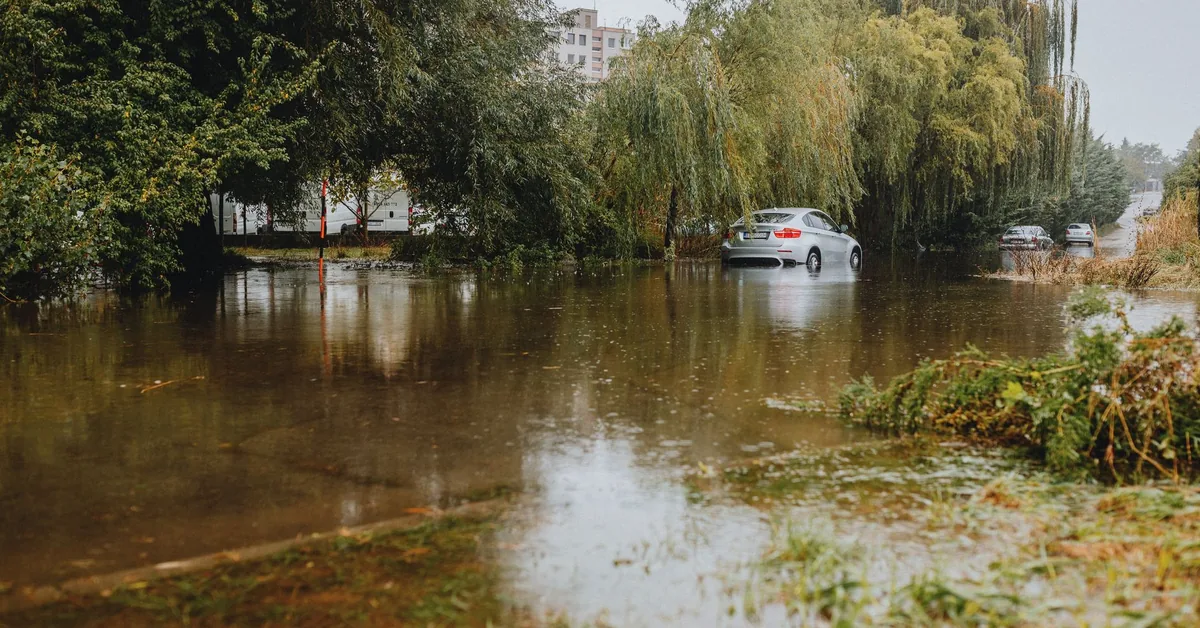
Pexels - Helena Jankovičová Kováčová · original
In this article
Key Takeaway
Flood insurance in the UK is typically included as part of buildings and contents insurance, covering damage caused by flooding to your property and belongings. With flood season approaching (typically autumn and winter), homeowners in flood-risk areas should review their cover now. The Flood Re scheme helps make flood insurance more affordable and accessible, even for properties in high-risk areas that previously struggled to obtain cover at reasonable premiums.
What Flood Insurance Covers in the UK
Flood insurance is not a separate standalone policy in the UK. Instead, flood damage is covered as part of standard buildings insurance (for the structure of your home) and contents insurance (for your belongings). Most home insurance policies include flood cover automatically, but the level of protection and the excess (the amount you pay towards a claim) can vary significantly.
Buildings insurance covers structural damage caused by flooding, including walls, foundations, roofs, permanent fixtures, and fittings. Contents insurance covers your personal belongings, furniture, electronics, and other items damaged by floodwater. If you rent your home, you will typically need only contents insurance, as your landlord’s buildings policy should cover the structure (MoneyHelper, 2024).
Why Flood Season Matters
The UK experiences its highest flood risk during autumn and winter months, when heavy rainfall, storms, and overflowing rivers combine to create significant flooding events. Properties near rivers, on flood plains, or in low-lying coastal areas face elevated risk during these months.
Even a moderate flood can cause tens of thousands of pounds in damage. Without insurance, homeowners face the full cost of repairs, temporary accommodation, and replacing damaged belongings. Reviewing your cover before flood season begins means you are protected when the risk is highest, and gives you time to address any gaps in your policy (Association of British Insurers, 2024).
The Flood Re Scheme
Flood Re is a government-backed scheme launched in 2016 to make flood insurance more affordable and accessible for homes in high-risk areas. Before Flood Re, many homeowners in flood-prone locations struggled to obtain cover or faced premiums of several thousand pounds annually.
Under Flood Re, insurers can pass the flood risk element of a policy to the scheme, which caps premiums and makes cover more affordable. The scheme applies to most domestic properties built before 2009. Homeowners do not apply to Flood Re directly; instead, they buy a standard home insurance policy, and their insurer uses Flood Re behind the scenes to manage the flood risk (Flood Re, 2024).
If you live in a flood-risk area and have been quoted a high premium or struggled to find cover, it is worth asking insurers whether they participate in Flood Re. Most major UK insurers now use the scheme.
Read also: Weighing the Risks of Flood Insurance in the UK
What to Check in Your Policy
Before flood season begins, review your policy documents to confirm:
- Flood damage is included (most policies include it, but always verify).
- The level of cover is sufficient to rebuild your property and replace your belongings at current prices.
- The excess amount for flood claims (some policies apply a higher excess for flood damage than for other perils).
- Any exclusions or conditions, such as requirements to maintain flood defences or report changes to flood risk.
If your property is in a known flood-risk area, consider whether your policy includes alternative accommodation cover, which pays for temporary housing if your home becomes uninhabitable after a flood.
Next Steps
Check your current home insurance policy to confirm flood cover is included and adequate. If you do not have buildings or contents insurance, or if your cover is insufficient, compare policies from insurers that participate in Flood Re. You can check your property’s flood risk using the Environment Agency’s flood map service (for England) or the equivalent service for Scotland, Wales, or Northern Ireland. If you are uncertain about the right level of cover for your personal situation, consider speaking to an FCA-authorised insurance adviser who can assess your needs.
Financial Disclaimer: This article provides general information only and is not regulated financial advice. We are not authorised by the Financial Conduct Authority (FCA). Insurance needs vary by individual circumstances, and cover terms, exclusions, and availability differ by insurer and policy. Always read the policy wording and key facts document carefully, and consider speaking to an FCA-authorised insurance adviser for guidance tailored to your personal situation before making a decision.
Sources
- Flood Re - Making flood cover more affordable and accessible (accessed )
- Products and Issues - Choosing the Right Insurance (accessed )
- Insurance - MoneyHelper (accessed )
Related articles
Weighing the Risks of Flood Insurance in the UK
UK homeowners face flood insurance decisions. Learn how Flood Re works, assess your risk, and weigh costs against protection.

What UK Homeowners Should Know About Flood Insurance
UK homeowners can get flood insurance through standard home cover or Flood Re. Learn what's covered, how to check flood risk, and where to find policies.

Flood Insurance in the UK: Who Needs It and How Flood Re Works
Learn who needs flood insurance in the UK, how Flood Re makes cover affordable for high-risk properties, and what protection you need against flood damage.
