Does CCTV Reduce Home Insurance Premiums in the UK?
CCTV can reduce home insurance premiums by 5-10%, though the actual discount varies by insurer and system specification. Learn whether the savings justify the installation cost.
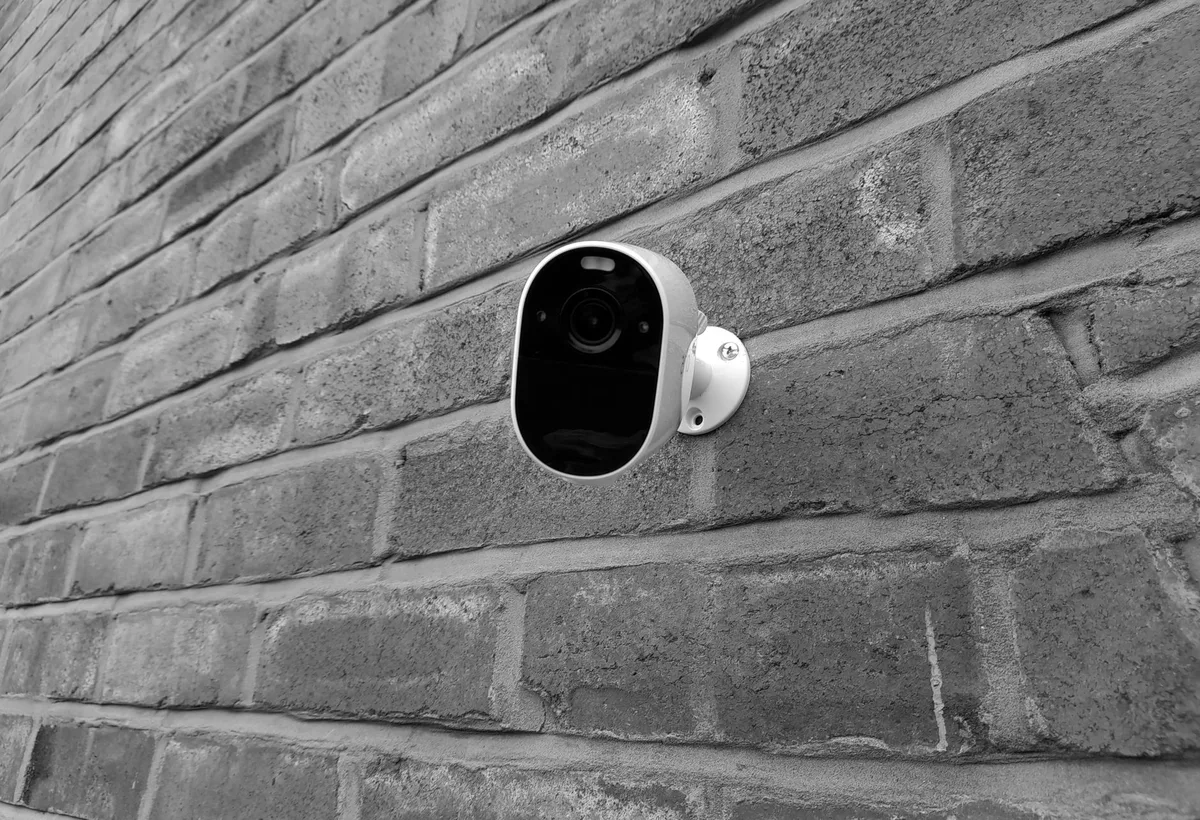
Pexels - Please donation · original
In this article
Key Takeaway
CCTV typically reduces home insurance premiums by 5-10% in the UK, though the exact discount varies by insurer and system specification. Most insurers require professionally installed, certified systems to qualify, and the discount applies to both buildings and contents cover. Whether the saving justifies the installation cost depends on your premium level, the CCTV system price, and how long you plan to stay in the property.
Does CCTV Actually Reduce Your Home Insurance Premium?
Installing CCTV at your property can reduce your home insurance premium, but the discount is not automatic and the amount varies significantly between insurers. Most UK insurers recognise CCTV as a security measure that lowers the risk of burglary and property damage, and they price this reduced risk into your premium.
The reduction typically applies to both buildings insurance and contents insurance, as CCTV deters theft of belongings and reduces the likelihood of malicious damage to the structure itself. However, insurers assess CCTV systems individually, and not every camera setup qualifies for a discount.
How Much Can You Save?
UK insurers typically offer discounts of 5-10% for CCTV, though some may offer more for high-specification systems or monitored setups. On a combined buildings and contents policy costing £400 annually, a 7.5% discount saves £30 per year. Over five years, that totals £150, which may not cover the cost of installing a professional system.
The discount level depends on several factors. Monitored CCTV systems, where footage is recorded and stored remotely or reviewed by a monitoring service, often attract higher discounts than standalone cameras. Insurers also consider the number of cameras, coverage area, and whether the system meets recognised standards.
Some insurers bundle CCTV discounts with other security measures, such as burglar alarms, window locks, and secure door locks. You may receive a larger combined discount for multiple measures than for CCTV alone, so it is worth checking what your insurer recognises.
What Type of CCTV Qualifies?
Not all CCTV systems qualify for an insurance discount. Most UK insurers require systems that meet specific standards, typically British Standard BS EN 62676 or equivalent for CCTV surveillance systems. DIY camera setups or basic doorbell cameras may not meet these requirements.
Professionally installed systems are more likely to qualify than self-installed equipment. Insurers favour systems installed by certified professionals, as these meet wiring, positioning, and recording standards that maximise security effectiveness. You should retain installation certificates and system documentation, as insurers may request proof when you apply for the discount or make a claim.
Recording capability is another key factor. Systems that record and store footage, either locally or in the cloud, are preferred over live-view-only cameras. Insurers value the evidential benefit of recorded footage, which can support claims and assist police investigations. Retention periods vary, but most insurers expect at least 30 days of stored footage.
Visible deterrence also matters. External cameras positioned to cover entry points, driveways, and vulnerable areas are considered more effective than hidden cameras. Signage indicating CCTV is in operation can further deter intruders, and some insurers factor this into their risk assessment.
Is the Discount Worth the Cost?
The financial case for CCTV depends on your current premium, the installation cost, and the discount offered. A professionally installed system typically costs £500 to £2,000 depending on the number of cameras, recording equipment, and monitoring services. If your annual premium saving is £30, it takes 17 to 67 years to recover the installation cost through insurance savings alone.
However, CCTV offers benefits beyond premium reduction. It deters burglary, provides evidence if a crime occurs, and may reduce your overall risk of loss, meaning fewer claims and a protected no-claims discount. These indirect financial benefits can outweigh the direct premium saving. As covered in foundational texts such as Principles of Finance, insurance decisions should weigh both immediate costs and broader risk mitigation value.
Read also: Home Insurance Costs Rise in the UK: 5 Ways to Save Money on Your Premiums
CCTV may also increase your property value, particularly in areas with higher crime rates where security is a buyer concern. If you plan to sell within a few years, this can offset the installation cost more effectively than insurance savings.
Declaring CCTV to Your Insurer
You must declare CCTV to your insurer when you apply for cover or renew your policy. Failing to disclose security measures, or overstating the specification of your system, can invalidate your policy or lead to reduced claim payments. Insurers ask specific questions about the type of system, installation method, and whether it is monitored.
Some insurers apply the discount automatically once you confirm the details, while others require proof of installation before adjusting your premium. Keep certificates, receipts, and system specifications on file, as you may need to provide these during the application process or after a claim.
If you install CCTV mid-term, contact your insurer to update your policy. Most insurers will apply the discount from the date of installation and adjust your remaining premium accordingly. Do not assume the discount applies automatically without notifying your insurer.
Other Security Measures That Reduce Premiums
CCTV is one of several security measures that can lower your home insurance premium. Burglar alarms, particularly those that meet British Standard BS EN 50131 and are professionally monitored, often attract discounts of 5-15%. Secure locks on doors and windows, such as five-lever mortice deadlocks or multi-point locking systems, are also recognised by most insurers.
Neighbourhood Watch membership, external security lighting, and gated access can contribute to lower premiums, though the discount is usually smaller than for alarms or CCTV. Some insurers offer tiered discounts, where multiple security measures result in a higher combined reduction than any single measure alone, according to the Association of British Insurers (ABI, 2026).
When comparing quotes, ask each insurer which security measures they recognise and how much discount they offer. Policies vary significantly, and an insurer that offers no discount for CCTV may provide a better overall price than one that does.
Conclusion
CCTV can reduce your UK home insurance premium by 5-10%, but the discount alone rarely justifies the installation cost in purely financial terms. The case for CCTV is stronger when you factor in the broader security benefits, crime deterrence, and potential property value increase. Before installing a system, check with your insurer which specifications qualify for a discount, and compare the long-term saving against the upfront cost. Ensure your system meets recognised standards, is professionally installed, and is declared accurately to your insurer to avoid complications at claim time.
Financial Disclaimer: This article provides general information only and is not regulated financial advice. We are not authorised by the Financial Conduct Authority (FCA). Insurance cover, premiums, exclusions, and discounts vary by insurer and by individual circumstances. You should read the policy wording, key facts document, and statement of demands and needs before purchasing cover. Consider speaking to an FCA-authorised insurance adviser or broker for advice tailored to your personal situation. Premium discounts for security measures are at the insurer’s discretion and are not guaranteed.
Sources
- Products and Issues - Choosing the Right Insurance (accessed )
- Insurance - MoneyHelper (accessed )
- Insurance Reviews and Guides (accessed )
- Principles of Finance (accessed )
Related articles

How to Get a No Claims Discount on Your Home Insurance in the UK
Discover how to qualify for a no claims discount on UK home insurance and save up to 50% on premiums by maintaining a claims-free record.

Home Insurance Costs Rise in the UK: 5 Ways to Save Money on Your Premiums
UK home insurance premiums are rising. Discover 5 proven ways to reduce your buildings and contents insurance costs while maintaining proper cover.
Most Common Home Insurance Claims in the UK
The most common UK home insurance claims include escape of water, theft, storm damage, and accidental damage. Learn what to watch for and how to prevent costly claims.
