Home Insurance Premium Falls Slow Sharply as UK Market Shows Signs of Turning
The rate at which UK home insurance premiums are falling has slowed considerably in recent months, signalling a potential shift in market conditions after a period of welcome price drops.

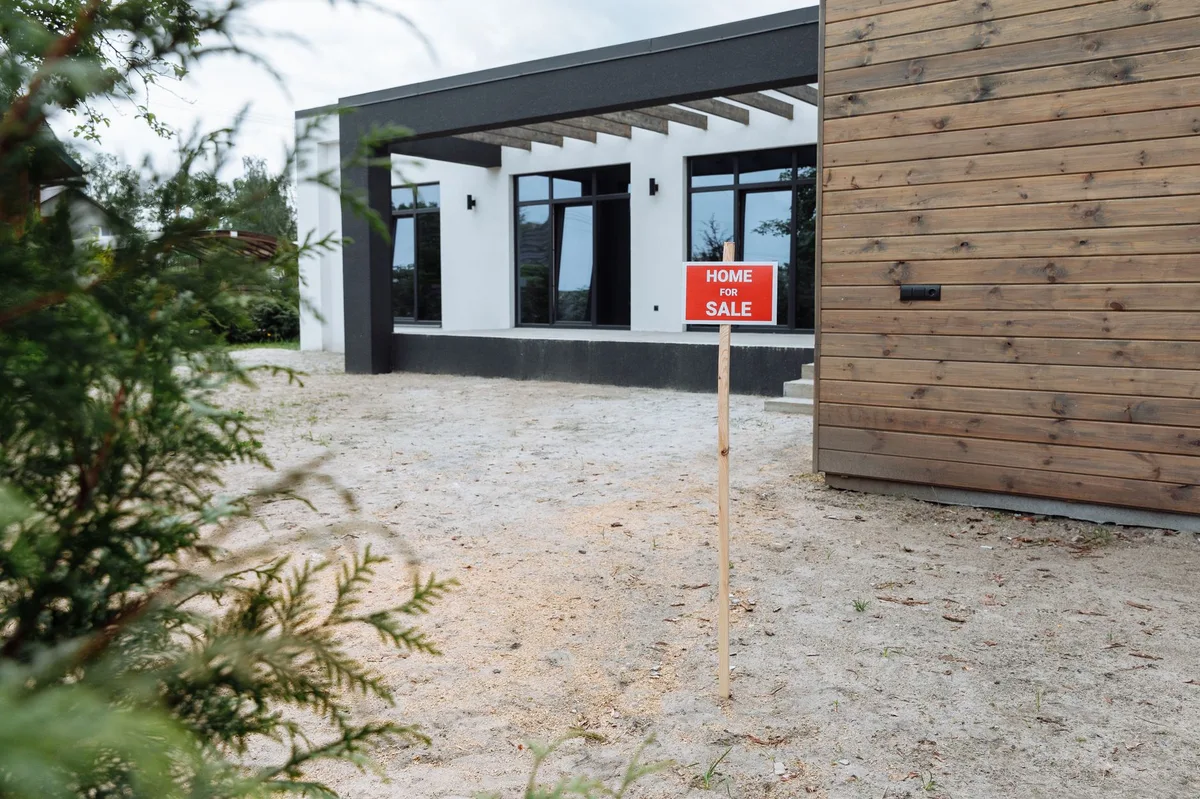
Pexels - Rafael Minguet Delgado · original
In this article
Key Takeaway
UK home insurance premiums are still falling, but the pace of decline has slowed sharply in recent months. After a period of welcome price drops driven by increased competition and improved claims experience, insurers are now signalling that premiums may stabilise or even rise modestly as reinsurance costs increase and claims patterns shift. Homeowners renewing soon should compare quotes carefully, as the era of consistent price falls may be ending.
What Is Happening in the UK Home Insurance Market
The UK home insurance market is showing early signs of a turning point. According to the Association of British Insurers, the monthly rate of premium reduction has fallen from around 3 to 5 per cent in early 2026 to less than 1 per cent in recent months (ABI, 2026). Some policyholders renewing in autumn 2026 are seeing flat renewals or small increases, particularly for buildings insurance in flood-risk areas and for combined buildings and contents policies in urban postcodes.
This shift marks a change from the sustained downward pressure on premiums seen throughout 2025 and early 2026, when fierce competition among insurers and lower claims costs delivered average annual savings of £40 to £70 for many homeowners.
Why Premiums Were Falling
Home insurance premiums fell consistently in 2025 and early 2026 for several reasons. Insurers benefited from improved weather patterns, with fewer major flood and storm events compared to 2023 and 2024. Claims frequency dropped, and many insurers passed these savings on to retain and attract customers in a highly competitive market. The rise of digital comparison platforms and direct-to-consumer insurers also drove prices down, as policyholders shopped around more actively at renewal.
As covered in foundational insurance texts such as Principles of Finance, pricing in competitive insurance markets reflects both current claims experience and forward-looking risk assessment. When claims costs fall and competition intensifies, premiums typically follow.
Why the Falls Are Slowing
Three factors are now slowing the pace of premium reductions. First, reinsurance costs (the cost insurers pay to protect themselves against large claims) have risen in the global market, driven by increased natural disaster claims worldwide. UK insurers renewing their reinsurance treaties in mid-2026 faced higher costs, which they are beginning to reflect in retail premiums.
Second, inflation in building materials and labour continues to push up the cost of settling buildings insurance claims. The cost to rebuild or repair a damaged property has risen by 8 to 12 per cent over the past two years, and insurers are adjusting cover limits and premiums accordingly.
Read also: Home Insurance Premiums Are Falling in the UK: What to Do if Yours Is Still Too Expensive
Third, weather forecasts for late 2026 and early 2027 suggest an above-average risk of winter storms and flooding, particularly in parts of England and Wales. Insurers are pricing in this increased risk, especially for properties in or near Flood Re postcodes.
What This Means for Homeowners
If you are renewing your buildings insurance, contents insurance, or combined policy in the coming months, you may see smaller reductions than you received last year, or a flat renewal. Some policyholders, particularly those with recent claims or in higher-risk areas, may see modest increases.
This does not mean premiums are returning to the highs of 2023, but the period of consistent falls appears to be ending. You should still compare quotes from at least three insurers at renewal, check that your cover limits are adequate (particularly your buildings rebuild sum and contents sum insured), and consider whether your excess levels still suit your circumstances.
For most homeowners, premiums remain lower than they were two years ago, and competition in the market is still strong. Shopping around remains the single most effective way to keep your premium down, as FCA guidance emphasises (FCA, 2026).
Next Steps
If your renewal is due soon, compare quotes now rather than waiting. Check that your policy wording includes accidental damage cover if you need it, and verify that your sum insured for buildings reflects current rebuild costs (not the market value of your home). Consider using MoneyHelper’s insurance guidance (MoneyHelper, 2026) to understand what your policy covers and where you may have gaps.
Disclaimer
This article provides general information only and is not regulated financial advice. We are not authorised by the Financial Conduct Authority. Home insurance policies, premiums, cover limits, and exclusions vary by insurer and by individual circumstances. Premium trends reflect market averages as of October 2026; your own renewal quote may differ. Always read the policy wording and the key facts document, and consider speaking to an FCA-authorised insurance adviser or broker to confirm the right level of cover for your personal situation before making a decision.
Sources
- ABI Products and Issues (accessed )
- FCA Consumer Guidance (accessed )
- MoneyHelper Insurance (accessed )
- Principles of Finance (accessed )
Related articles

How to Cut Your Home Insurance Premiums in the UK: Eight Top Tips
Discover eight practical ways to reduce your home insurance premiums in the UK while maintaining the cover you need.

Why Home Insurance Premiums Have Fallen 13% in the UK
UK home insurance premiums fell 13% in 2026. Learn what's driving the drop, regional variations, and whether now is the time to switch policies.
How to Get a Cheap Home Insurance Deal in the UK
UK home insurance premiums hit seven-year highs. Discover 7 proven ways to cut costs on buildings and contents cover without losing protection.
