Home Insurance Premiums Exceed £400 in the UK Due to Extreme Weather
UK home insurance premiums have surpassed £400 per year as insurers pass on the rising costs of extreme weather claims driven by floods, storms, and climate-related damage.
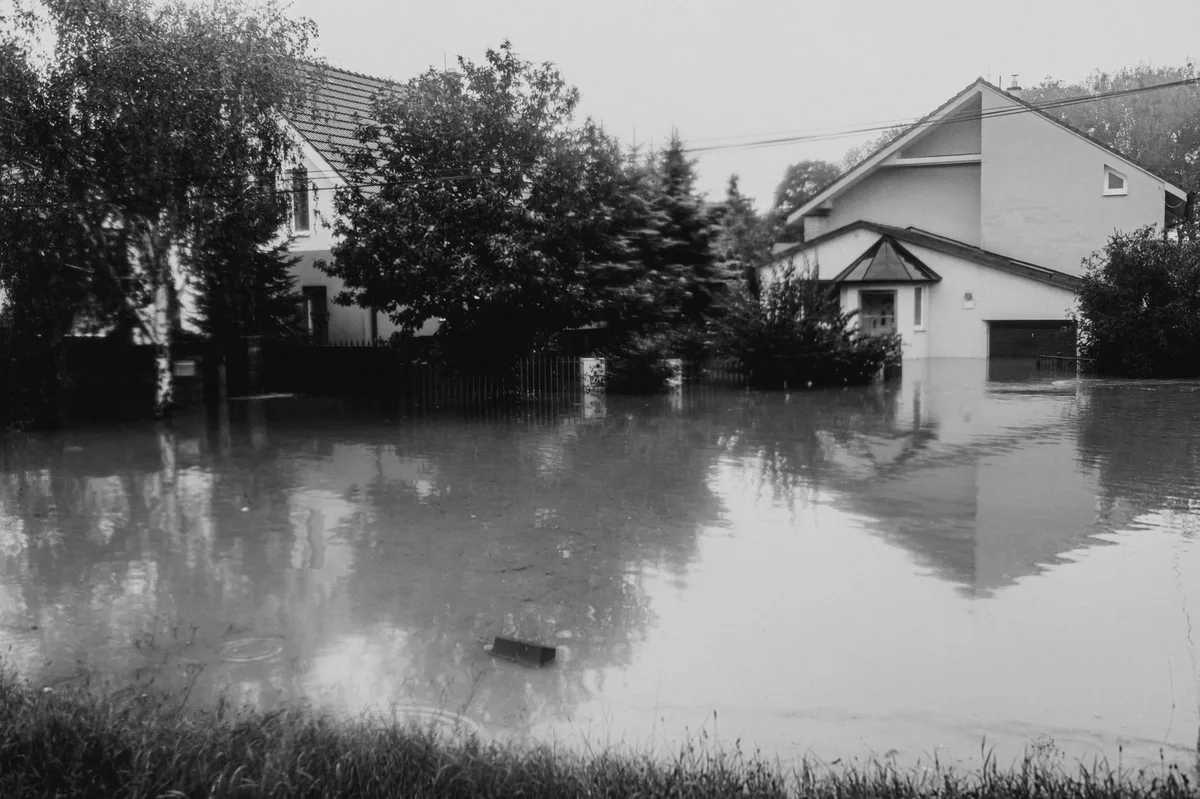
Pexels - Helena Jankovičová Kováčová · original
In this article
UK home insurance premiums have breached the £400 annual mark for the first time, driven by a surge in extreme weather claims from flooding, storms, and wind damage. Insurers are passing on the rising cost of climate-related payouts to policyholders, with the trend expected to continue as weather events become more frequent and severe. If you have not reviewed your buildings or contents cover recently, you may be paying significantly more at renewal, or you may find your insurer no longer offers cover in high-risk flood areas without substantial premium increases or higher excesses.
Why Premiums Are Rising
The increase in home insurance premiums reflects the growing cost of weather-related claims. According to the Association of British Insurers, insurers paid out record sums in recent years for storm, flood, and subsidence damage across the UK (ABI, 2026). Flooding alone has caused billions of pounds in claims, particularly in regions affected by heavy rainfall and river flooding. As foundational texts such as Principles of Finance explain, insurers price premiums based on the expected frequency and severity of claims, and when payouts increase, premiums must rise to maintain solvency (OpenStax, 2022).
Wind and hail damage have also contributed, with repairs to roofs, windows, and structural elements becoming more expensive due to labour and material costs. Subsidence caused by prolonged dry spells followed by heavy rain has worsened in parts of England, adding another layer of risk that insurers must price into policies.
Climate Change and UK Home Insurance
Climate change is increasing both the frequency and intensity of extreme weather events in the UK. Wetter winters, more intense rainfall, and shifting weather patterns mean that properties previously considered low risk for flooding are now seeing higher claims. Coastal erosion and rising sea levels add further pressure in certain regions, with some postcodes seeing premiums double or triple in a short period.
The Flood Re scheme was introduced to make flood insurance more affordable for high-risk properties, but it covers only buildings insurance (not contents) and applies only to domestic properties built before 2009 (Flood Re, 2026). If your home is outside the Flood Re criteria, or if you need contents cover in a flood zone, you may face steep premiums or difficulty finding an insurer willing to offer cover at all.
MoneyHelper advises homeowners in flood-prone areas to review their cover annually and to confirm that the policy includes flood damage, as some budget policies exclude it (MoneyHelper, 2026).
What This Means for Homeowners
If your home insurance premium has increased sharply at renewal, it is not necessarily a sign that your insurer is overcharging. The market as a whole has seen upward pressure on pricing. However, shopping around remains essential. Premiums can vary by hundreds of pounds for the same level of cover, and switching insurers can often secure a better rate than accepting an automatic renewal.
Read also: Home Insurance Premiums Are Falling in the UK: What to Do if Yours Is Still Too Expensive
Check your policy wording carefully. Some insurers have introduced higher excesses for storm or flood claims, meaning you will pay the first several hundred pounds of any claim yourself. Others have reduced cover limits for certain types of damage or excluded specific perils altogether. If your area has been affected by flooding in recent years, confirm that flood damage is explicitly covered and that the excess is affordable.
Consider whether you are adequately covered for rebuilding costs. The cost of rebuilding a home has risen due to material and labour inflation, and if your sum insured is too low, you may be underinsured. Most insurers offer a rebuild cost calculator, or you can use an independent tool to estimate the correct figure.
What You Should Do
Review your home insurance before your renewal date. Compare quotes from multiple insurers using a comparison site or by contacting providers directly. If your premium has risen significantly, ask your insurer why and whether there are ways to reduce it, such as increasing your voluntary excess or installing approved security devices.
Confirm that your buildings and contents sums insured are accurate. Underinsurance can result in a reduced settlement if you need to claim, even for unrelated damage. If you live in a high-risk flood area, check whether Flood Re applies to your property and whether your insurer participates in the scheme.
For advice tailored to your personal circumstances, consider speaking to an FCA-authorised insurance adviser. They can help you assess your cover needs, compare policies, and ensure you are neither over-insured nor under-insured.
Important Information
This article provides general information about home insurance premiums and extreme weather claims in the UK. It is not regulated financial advice, and we are not authorised by the Financial Conduct Authority. Insurance cover, exclusions, excesses, and availability vary by insurer and by property. Always read the policy wording and the key facts document, and confirm details with an FCA-authorised insurance adviser before making a decision. Premium figures and weather-related claims data are based on industry reports as of October 2026; verify current terms and pricing with insurers or an FCA-authorised adviser for your personal situation.
Sources
- Products and Issues - Home Insurance (accessed )
- Insurance Guide (accessed )
- Principles of Finance (accessed )
- Flood Re - Making Flood Cover More Affordable (accessed )
Related articles

How to Cut Your Home Insurance Premiums in the UK: Eight Top Tips
Discover eight practical ways to reduce your home insurance premiums in the UK while maintaining the cover you need.
How Birmingham's Weather Affects Home Insurance Premiums in the UK
Learn how Birmingham's rainfall, flooding and weather patterns influence home insurance premiums and cover in the UK, plus what homeowners can do.
How to Get a Cheap Home Insurance Deal in the UK
UK home insurance premiums hit seven-year highs. Discover 7 proven ways to cut costs on buildings and contents cover without losing protection.
