Should Homeowners Cut Storm Insurance Cover in the UK as Hurricane Season Begins?
UK homeowners should be wary of reducing buildings or contents cover before severe weather risk rises. A cheaper premium can leave costly gaps if storms, flooding or escape of water damage the home.

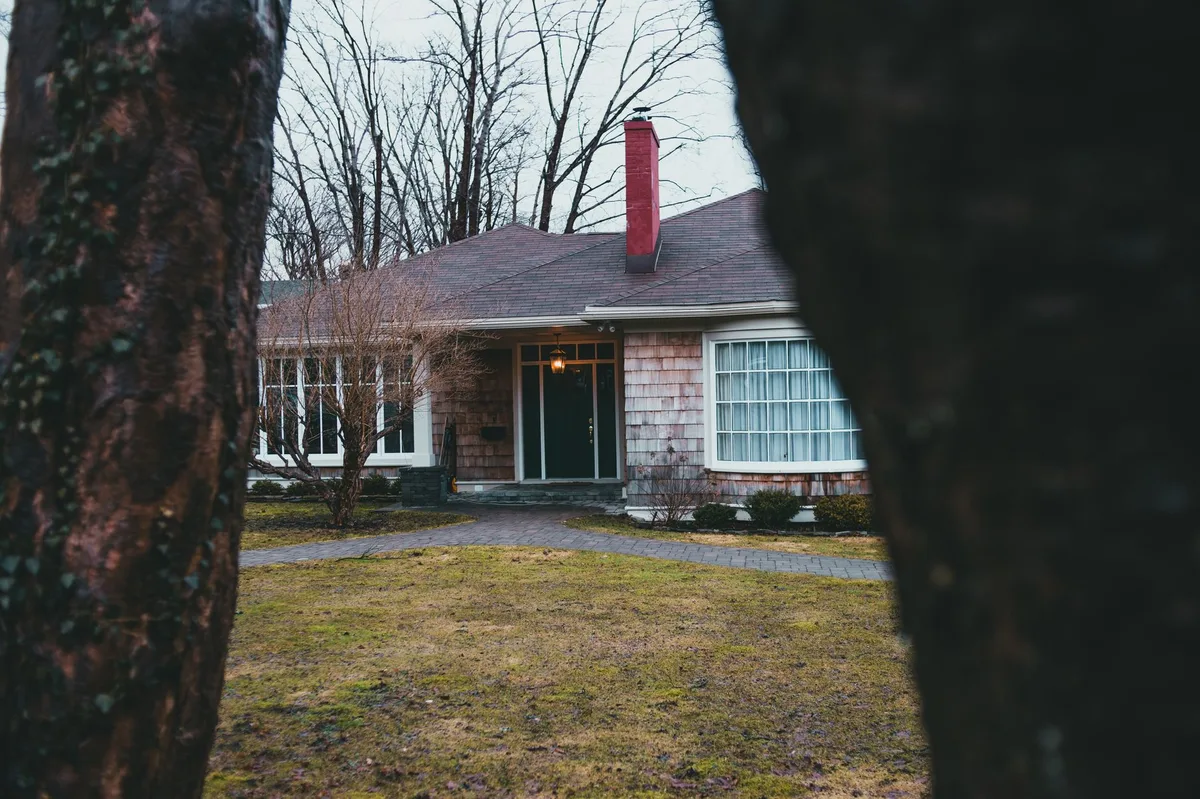
Pexels - Bence Szemerey · original
In this article
UK homeowners should not cut buildings or contents insurance just because household budgets are tight or severe weather feels unlikely. The UK does not have a formal “hurricane season” in the way the Atlantic does, but high winds, heavy rain, flash flooding and winter storms can still cause expensive damage. The safer approach is to review cover carefully, compare quotes, and only remove protection you understand and can afford to lose.
Why this matters in the UK
Home insurance is not usually a legal requirement in the UK, but mortgage lenders normally expect buildings insurance to be in place. Buildings insurance covers the structure of the home, while contents insurance covers belongings such as furniture, appliances, clothing, jewellery and home office equipment.
MoneyHelper describes insurance as a way to protect against costs you might not be able to meet yourself (MoneyHelper, 2026). That is the key point with storm and flood damage: the premium saving from reducing cover can be modest, while the uncovered repair bill can be large.
Storm claims may involve roof repairs, damaged ceilings, drying-out work, flooring, electrics, temporary accommodation and professional reports. Flooding can be especially disruptive because a home may need specialist cleaning and drying before repairs can begin.
Cover not to cut without checking
The biggest danger is underinsurance. This means the buildings sum insured is too low for the full rebuild cost, or the contents sum insured is below the replacement value of the items in the home. Some insurers may reduce a claim proportionately if the home is underinsured, depending on the policy wording.
Be cautious before reducing:
- Buildings insurance, especially if you have a mortgage, a listed property, an older home or non-standard construction.
- Contents insurance, particularly after buying new furniture, technology, jewellery or equipment.
- Flood cover, because flood damage can be costly and availability varies by postcode.
- Alternative accommodation, which may matter if the home becomes uninhabitable.
- Trace and access cover, which may help with locating leaks, depending on the policy.
- Accidental damage, if you rely on it for sudden mishaps not covered as standard.
- Personal possessions cover away from home, if it protects phones, laptops, jewellery or bikes.
Citizens Advice says consumers should check what an insurance policy covers and what exclusions apply before buying or renewing (Citizens Advice, 2026). The same check matters before cutting cover.
Safer ways to reduce the premium
If affordability is the issue, compare the market before reducing protection. Check buildings-only, contents-only and combined buildings and contents policies. Paying annually can be cheaper than monthly, although that depends on the insurer and your cash flow.
Read also: How to Compare Home Insurance Quotes in the UK: A Complete 2027 Guide
You can consider a higher voluntary excess, but only if you could comfortably pay it after a claim. For example, choosing a £500 excess instead of £100 may reduce the premium, but as of June 2026 you should verify current terms with an FCA-authorised adviser or the insurer before deciding. A high excess can also make smaller claims uneconomic.
Do not reduce the rebuild cost or contents value simply to make the quote cheaper. Those figures should reflect the real risk, not the budget.
If flood risk is part of the problem
Flood cover needs particular care. Some homes face river, coastal or surface water risk, and pricing can vary sharply between insurers. The Association of British Insurers publishes information on insurance products and property-related issues for UK consumers (ABI, 2026).
If your quote is high, try more than one comparison route and consider whether a specialist broker can help. Read the policy wording and key facts document closely, especially storm definitions, flood exclusions, escape of water terms, excesses and alternative accommodation limits.
What if you have a claim dispute?
Insurers usually look at whether the weather met the policy’s storm definition, whether damage happened suddenly, and whether poor maintenance contributed. Keep photos, receipts, repair reports and any relevant weather evidence. Report damage promptly and take reasonable steps to prevent further loss where safe.
If a complaint is unresolved, the FCA’s consumer information can help you understand how regulated financial services firms are expected to treat customers (FCA, 2026).
Bottom line
Do not cut home insurance cover simply because severe weather feels seasonal, distant or unlikely. Review the policy, compare quotes and remove only cover you understand. The riskiest savings are usually those that lower sums insured, remove flood or storm protection, or set an excess you could not pay.
This article is general information only, not regulated financial advice. UmbrellaOwl is not authorised by the Financial Conduct Authority. Cover, exclusions and availability vary by insurer and policy, so read the policy wording and key facts document carefully. For personal recommendations, consider speaking to an FCA-authorised insurance adviser, and for legal or tax questions consult a solicitor or tax professional.
Sources
- Insurance (accessed )
- Insurance (accessed )
- Products and issues (accessed )
- Consumers (accessed )
Related articles
Home Insurance Renewal Before Winter: UK Review Checklist
Review your UK home insurance before winter with this checklist covering buildings sum insured, winter risks, exclusions, and policy terms.

Home Insurance Premiums Are Falling in the UK: What to Do if Yours Is Still Too Expensive
UK home insurance premiums are falling. Learn 5 practical steps to lower your renewal quote if your policy is still too expensive.

Home Insurance Premiums Fall in the UK: How to Lower Your Costs Further
Home insurance premiums are falling in the UK. Discover practical ways to reduce your buildings and contents insurance costs even further.
