Home Insurance Renewal Checklist for Winter in the UK
Review your home insurance before winter arrives to ensure you have adequate cover for storms, floods, and cold-weather damage.
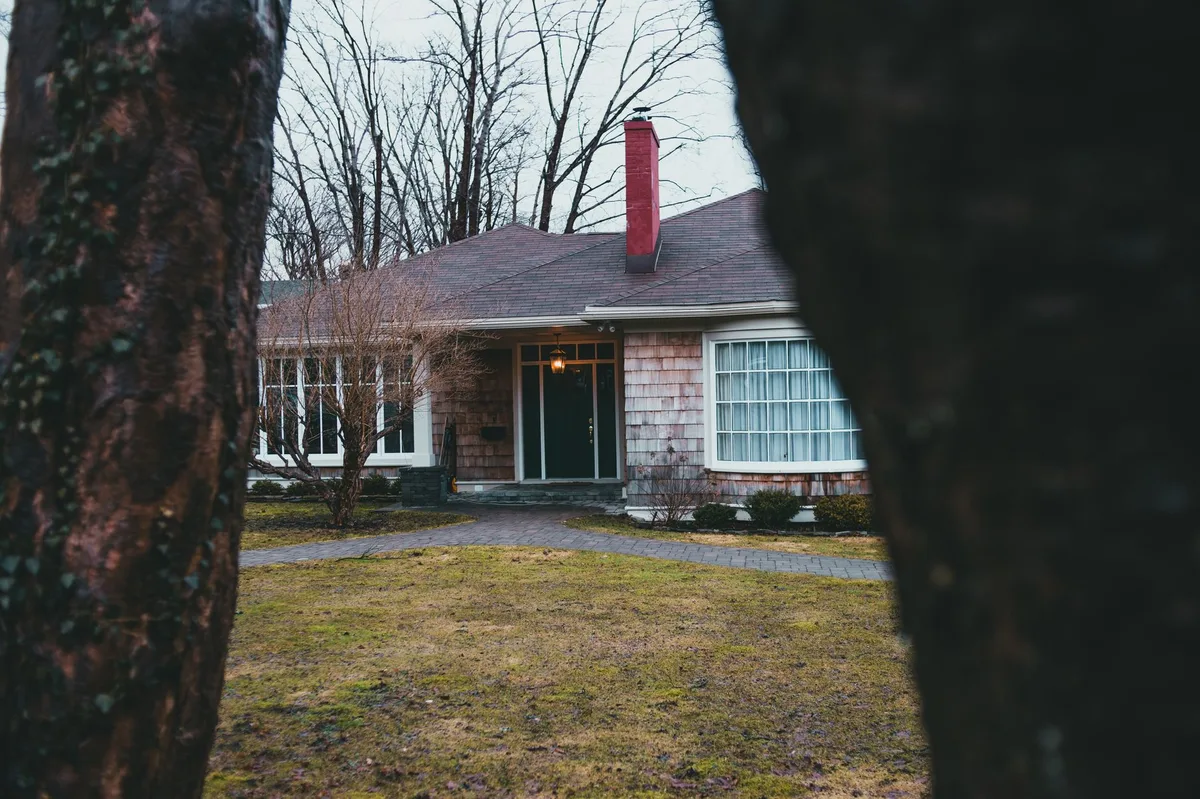
Pexels - Jordan Rushton · original
In this article
Key Takeaway
Before renewing your home insurance ahead of winter, verify your buildings and contents sums insured are adequate, check your excess levels, confirm storm and flood cover are included, review any accidental damage or escape-of-water provisions, and ensure you understand exclusions that apply during cold weather. Winter brings the highest risk of weather-related claims in the UK, so renewal time is your opportunity to close any gaps before storm season arrives.
Why Winter Matters for Home Insurance
Winter in the UK brings storms, heavy rain, freezing temperatures, and flooding. These conditions cause the majority of weather-related home insurance claims each year. Your renewal is the point at which you can adjust cover, increase sums insured, add accidental damage, or switch to a policy with better flood protection. Once winter weather hits, it is too late to make changes that would cover damage from that event.
According to the Association of British Insurers, the winter months see a significant spike in claims for storm damage, escape of water from burst pipes, and flood-related losses. Reviewing your policy now, before the renewal date passes, ensures you enter the high-risk season with appropriate protection.
Your Home Insurance Renewal Checklist
Work through each item below as you review your renewal documents. If any element is unclear or missing, contact your insurer or an FCA-authorised insurance adviser before accepting the renewal.
1. Verify Your Buildings Sum Insured
The buildings sum insured is the maximum your insurer will pay to rebuild your home if it is destroyed. This figure must reflect the full rebuild cost, not the market value. Rebuild costs have risen in recent years due to higher labour and material prices. Check whether your policy includes automatic indexation (annual increases in line with rebuild cost indices). If your sum insured has not increased, or if you have made extensions or improvements, you may be underinsured. An underinsured property can result in a proportionate settlement, where the insurer pays only a fraction of the claim.
2. Verify Your Contents Sum Insured
The contents sum insured covers everything inside your home that is not fixed to the structure. Go room by room and estimate the replacement cost of furniture, appliances, clothing, electronics, and valuables. Many households underestimate this figure. If you have acquired expensive items (jewellery, musical instruments, artwork, electronics), check whether they require separate listing or if they fall within the single-item limit. Confirm the basis of settlement: new-for-old cover replaces items at today’s cost, while indemnity cover deducts depreciation.
3. Check Storm and Flood Cover
Standard buildings and contents policies in the UK typically include storm and flood cover, but not all do. Read the definitions section to understand what qualifies as a storm (insurers often define this as wind speeds above a certain threshold). If your property is in a flood risk area, confirm that flood cover is included. Properties at higher flood risk may be eligible for Flood Re, a government-backed scheme that caps premiums. If flood cover has been excluded or restricted, ask why and seek alternative quotes from insurers who participate in Flood Re.
4. Review Your Excess
The excess is the amount you pay towards each claim. Policies often have a compulsory excess set by the insurer, and you may have added a voluntary excess to reduce your premium. High excesses can make small claims uneconomical. For winter risks such as a broken roof tile or a minor leak, an excess of £500 or more may mean you cover the repair yourself. Consider whether your excess is affordable if you need to claim multiple times in one season (for example, storm damage followed by a burst pipe). Some policies apply separate excesses for specific perils such as subsidence or escape of water.
5. Confirm Accidental Damage Cover
Accidental damage cover is usually optional and covers mishaps such as spilling red wine on the carpet or knocking over a television. During winter, accidental damage can also cover incidents such as putting your foot through a ceiling while retrieving decorations from the loft, or damaging a radiator during DIY. If accidental damage is important to you, check whether it is included or available as an add-on. Read the exclusions: accidental damage does not cover deliberate acts, wear and tear, or damage by pets.
Read also: Home and Contents Insurance in the UK: What Is and Is Not Covered
6. Check Escape-of-Water and Trace-and-Access Cover
Escape of water (leaks and burst pipes) is a common winter claim. Confirm that your policy covers damage caused by water escaping from tanks, pipes, and heating systems. Some policies also include trace-and-access cover, which pays the cost of finding the source of a leak (for example, lifting floorboards or removing tiles) and making good afterwards. Trace-and-access cover can save hundreds of pounds if a leak is hidden behind walls or under floors.
7. Understand Exclusions and Conditions
All policies have exclusions. Common winter-related exclusions include damage occurring while the property is unoccupied for more than a set period (often 30 or 60 consecutive days), failure to maintain the property in good repair, and damage caused by frost if you did not take reasonable precautions such as draining the water system or maintaining heating. If you plan to leave the property empty over winter (for example, a second home or rental property between tenants), notify your insurer and ask what steps you must take to keep cover valid. Some insurers offer unoccupied property insurance for longer absences.
8. Review Alternative Accommodation and Emergency Assistance
If your home becomes uninhabitable due to an insured event (such as severe storm damage or flooding), buildings insurance typically covers the cost of temporary accommodation while repairs are carried out. Check the limit for alternative accommodation and whether it is adequate for your household. Some policies also include emergency assistance or home emergency cover, which provides a 24-hour helpline and covers the cost of emergency repairs (for example, a burst pipe at midnight). This can prevent a small problem escalating into a major claim.
9. Compare Renewal Premium Against the Market
Insurers often increase premiums at renewal, even if you have made no claims. Use a comparison site to check whether you can obtain equivalent or better cover elsewhere for less. When comparing, ensure the sums insured, excess, and cover details match. Switching insurer can save money, but read the new policy wording carefully to confirm it covers everything you need. Loyalty does not always pay in the insurance market.
10. Update Your Insurer About Changes to the Property
If you have made improvements (new kitchen, bathroom, extension, loft conversion), installed security devices (burglar alarm, smart locks), or changed the property use (started a business from home, taken in a lodger), notify your insurer. These changes can affect your premium and your cover. Failure to disclose material facts can result in a claim being declined. Equally, improved security or a new roof may reduce your premium.
What to Do Next
Complete this checklist at least two weeks before your renewal date. If you identify gaps or uncertainties, contact your insurer or speak to an FCA-authorised insurance adviser. Do not simply accept the renewal without checking the details. If you switch insurer, ensure the new policy starts on the same day the old one ends to avoid any gap in cover. Keep a copy of your policy wording and schedule in a safe place, and make a note of the claims helpline number in case you need it during winter.
Financial Disclaimer: The information in this article is general guidance only and does not constitute regulated financial advice. UmbrellaOwl is not authorised by the Financial Conduct Authority. Home insurance products, cover terms, exclusions, and premiums vary between insurers and policies. Eligibility for Flood Re and specific cover provisions depend on your property, location, and insurer. Before making decisions about insurance, read the policy wording and key facts document carefully, verify current terms with the insurer, and consider speaking to an FCA-authorised insurance adviser for advice tailored to your personal circumstances. This article references foundational principles of insurance as covered in educational texts such as Principles of Finance, but specific policy terms and UK regulations change over time. Always confirm details with an authorised professional before purchasing or renewing cover.
Sources
- Insurance Guidance for Households (accessed )
- Products and Issues - Choosing the Right Insurance (accessed )
- Consumer Insurance Guidance (accessed )
- Principles of Finance (accessed )
Related articles

Most Common Home Insurance Claims in the UK
The most common UK home insurance claims include escape of water, theft, storm damage, and accidental damage. Learn what to watch for and how to prevent costly claims.

How Birmingham's Weather Affects Home Insurance Premiums in the UK
Learn how Birmingham's rainfall, flooding and weather patterns influence home insurance premiums and cover in the UK, plus what homeowners can do.

What to Do If Your Home Insurance Seems Too Expensive in the UK
Home insurance premiums are dropping in the UK, but if yours hasn't, here are seven ways to cut your costs and get a fairer deal.
