Why Home Insurance Premiums Are Rising in the UK
UK home insurance premiums have climbed sharply as insurers pass on the cost of increased weather-related claims and soaring repair expenses to policyholders.
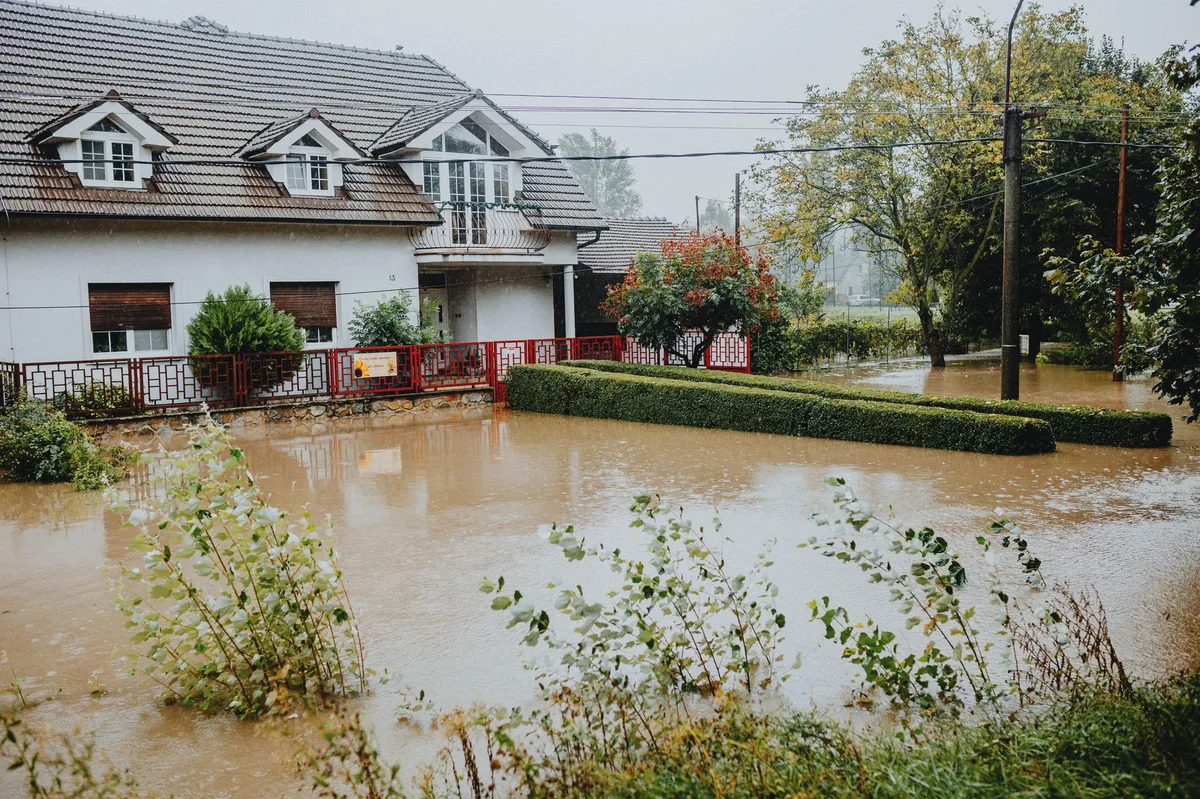
Pexels - Helena Jankovičová Kováčová · original
In this article
What You Need to Know
UK home insurance premiums have risen significantly over the past two years, driven by a sharp increase in weather-related claims and the escalating cost of repairs. Insurers are passing on these higher expenses to policyholders through increased premiums for both buildings and contents cover. Understanding why your premium has gone up, and what you can do about it, helps you make informed decisions about your cover.
Why Home Insurance Premiums Are Rising
Home insurance premiums in the UK are directly linked to the cost and frequency of claims. When insurers pay out more in claims, they adjust premiums to maintain their ability to cover future losses. Over the past few years, the UK has experienced a surge in severe weather events, including flooding, storms, and high winds, leading to a significant increase in claims for property damage.
According to the Association of British Insurers, weather-related claims have risen substantially as extreme weather becomes more frequent (ABI, 2026). Flooding alone accounts for a large proportion of home insurance claims, with repair costs often running into tens of thousands of pounds per property. Even homes outside traditional flood risk areas have been affected, broadening the pool of claimants and pushing up the overall cost to insurers.
At the same time, inflation in building materials and labour costs has made repairs far more expensive. The cost of timber, bricks, plaster, and other materials has increased, as have the fees charged by tradespeople. What might have cost £5,000 to repair three years ago can now easily exceed £7,000 or more, and insurers are adjusting premiums to reflect this new reality.
The Impact of Weather Claims
Flooding, storm damage, and subsidence linked to shifting weather patterns have all contributed to higher claim volumes. Properties in flood-prone areas, or those affected by storms, face some of the steepest premium increases. The government-backed Flood Re scheme helps moderate premiums for high-risk properties, but even with this intervention, many homeowners have seen their cover become more expensive.
Insurers assess risk by postcode, claims history, and property type. If your area has seen a spike in weather-related claims, your premium may rise even if you have never made a claim yourself. This is because insurers spread the cost of claims across all policyholders in similar risk categories.
Repair Cost Inflation
Repair costs have climbed due to a combination of factors: supply chain disruptions, increased demand for building services, and wage growth in the construction sector. The cost to rebuild or repair a home is now considerably higher than it was a few years ago, and insurers must ensure that cover limits keep pace with these rising costs.
When you renew your buildings insurance, check that your sum insured (the rebuild cost) is adequate. Underinsurance can leave you with a significant shortfall if you need to make a claim. Many insurers now automatically adjust cover limits in line with industry rebuild cost indices, but it is worth reviewing your policy documents to confirm your cover is sufficient.
Read also: What’s Happening to Home Insurance Premiums in the UK
What You Can Do
Start by shopping around at renewal. Loyalty does not always pay in the insurance market, and you may find a better deal by switching providers. Use comparison sites and independent brokers to check what is available, and make sure you compare like-for-like cover (same excess, same optional add-ons, same level of buildings and contents cover).
Review your cover limits and excess. Increasing your voluntary excess can reduce your premium, but only do so if you can afford to pay the higher excess in the event of a claim. Conversely, check that your cover limits are adequate: being underinsured to save on premiums is a false economy if you cannot afford to repair or rebuild your home.
Consider risk reduction measures. Installing flood defences, improving home security, or upgrading your roof can sometimes qualify you for a premium discount. Ask your insurer what steps might reduce your premium.
Next Steps
Compare your current premium against the market at renewal, and do not automatically accept your insurer’s renewal quote. If premiums have risen significantly, ask your insurer to explain the increase and confirm that your cover limits are appropriate. For complex cases or high-value properties, consider speaking to an FCA-authorised insurance adviser who can help you find the right cover at a competitive price.
Financial Disclaimer: This article provides general information only and is not regulated financial advice. We are not authorised by the Financial Conduct Authority. Insurance cover, premiums, and availability vary by insurer and by your personal circumstances. Always read the policy wording and key facts document before buying or renewing cover, and consider speaking to an FCA-authorised insurance adviser for guidance tailored to your situation. Verify all current terms and conditions directly with your insurer or adviser before making decisions.
Sources
- Products and Issues - Insurance Guidance (accessed )
- Insurance - Everyday Money Guidance (accessed )
- Consumer Guidance and Protection (accessed )
Related articles
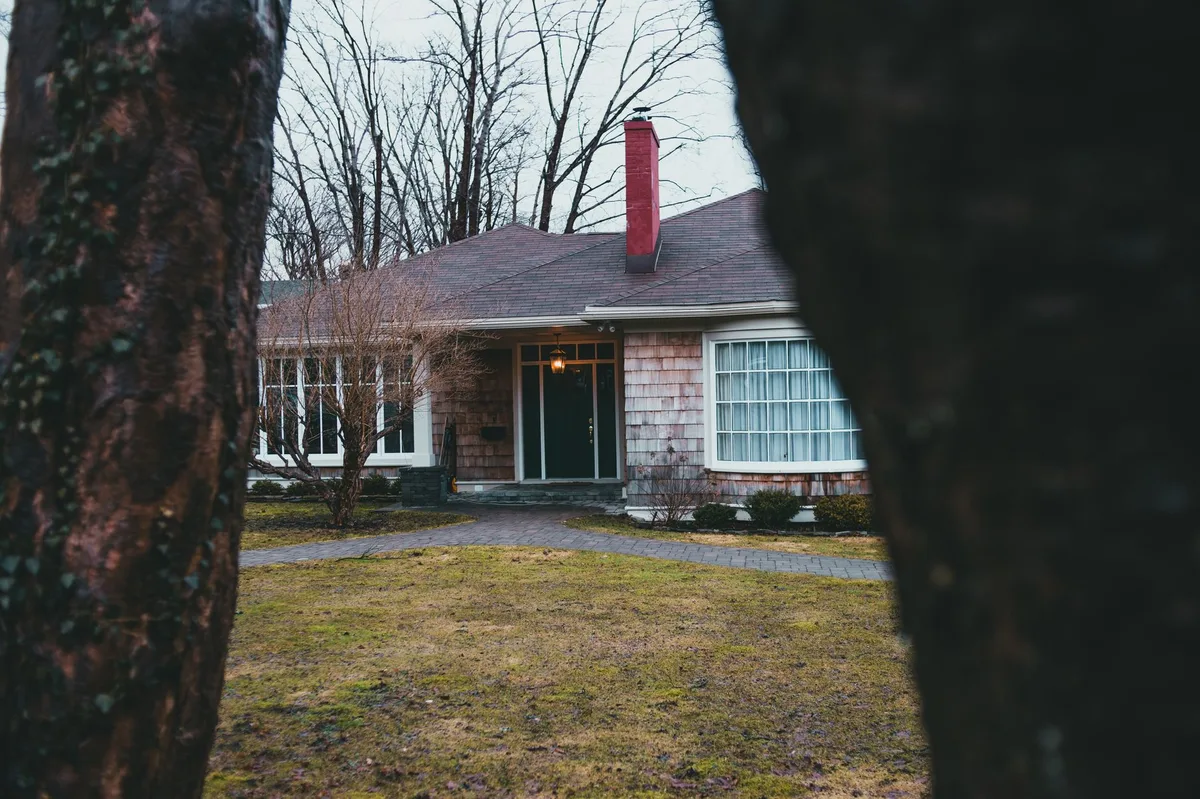
Home Insurance Renewal Before Winter: UK Review Checklist
Review your UK home insurance before winter with this checklist covering buildings sum insured, winter risks, exclusions, and policy terms.
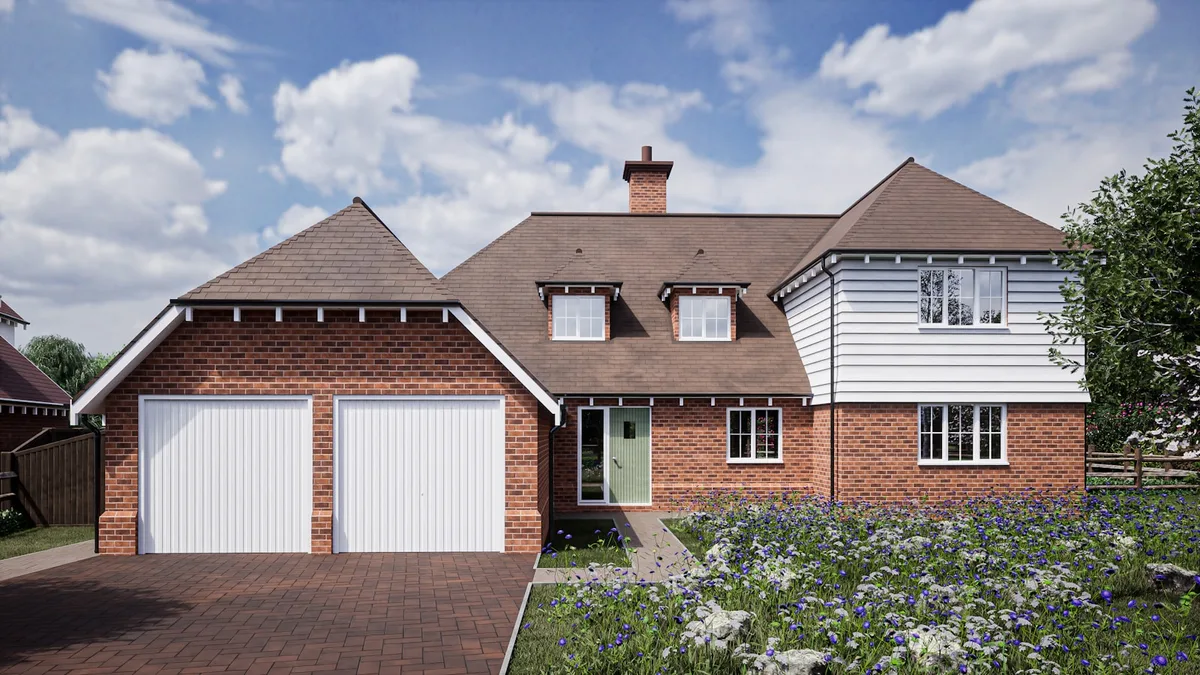
Home Insurance Premiums Are Falling in the UK: What to Do if Yours Is Still Too Expensive
UK home insurance premiums are falling. Learn 5 practical steps to lower your renewal quote if your policy is still too expensive.
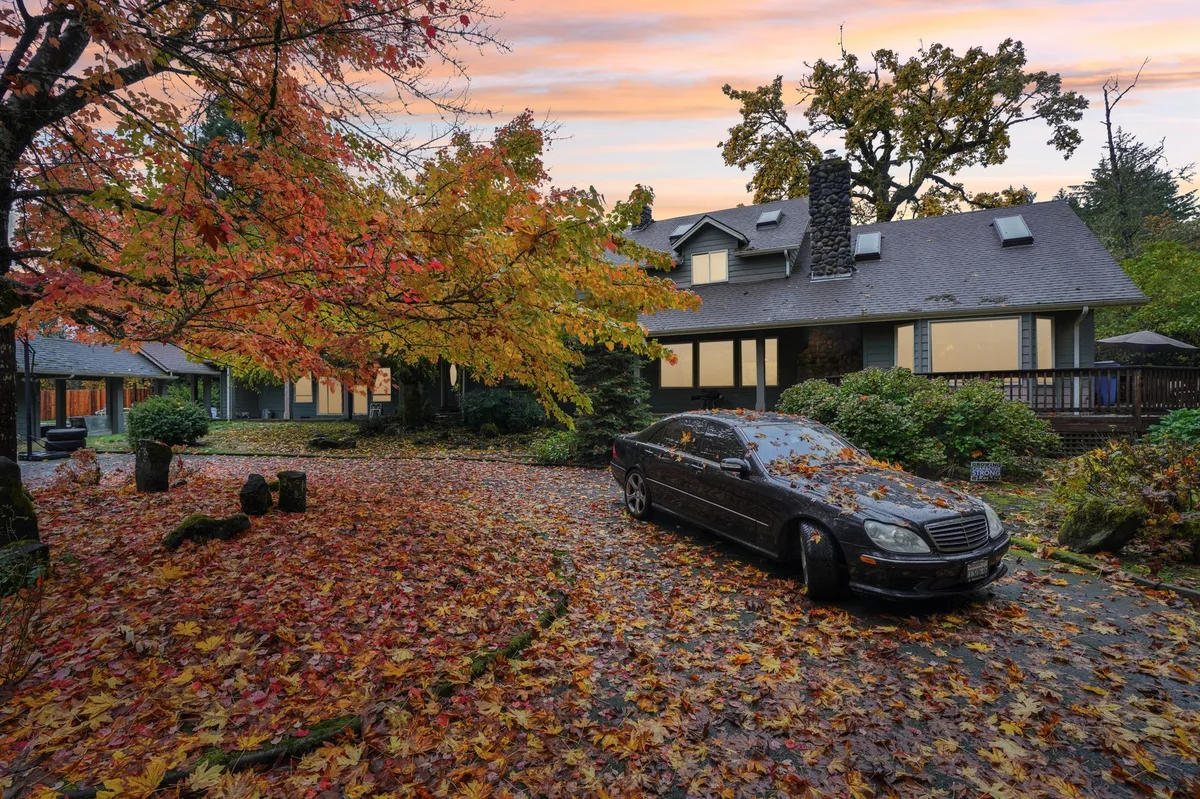
Home Insurance Premiums Dip in the UK as Households Urged to Prepare for Autumn
UK home insurance premiums have dipped for the first time in years. Learn what's driving the change and how to prepare your home for autumn weather.
