What's Happening to Home Insurance Premiums in the UK
Home insurance premiums in the UK have risen sharply in recent years, driven by climate-related claims, inflation in building costs, and insurer capacity constraints.
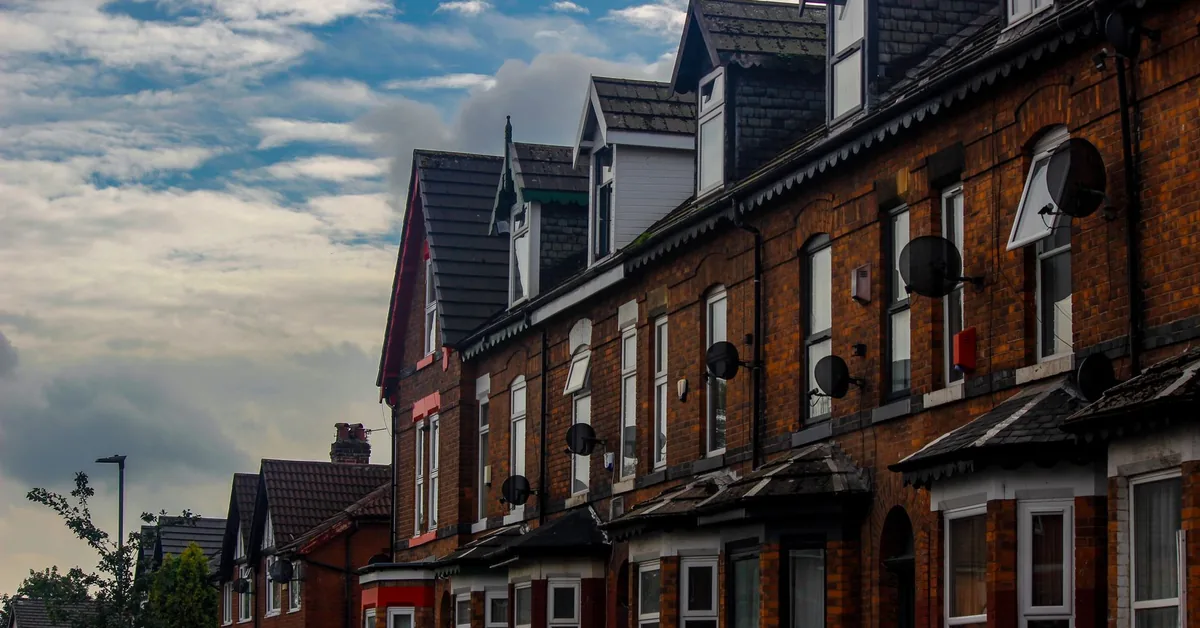
Pexels - Muhammed Zahid Bulut · original
Home insurance premiums in the UK have risen sharply over the past few years, with many homeowners seeing double-digit percentage increases at renewal. The rises affect both buildings and contents cover and are driven by a combination of extreme weather events, soaring building material and labour costs, and reduced insurer capacity in high-risk areas.
Why Premiums Are Rising
Three main factors underpin the upward trend. First, the frequency and severity of weather-related claims have increased, particularly flooding, storms, and subsidence linked to prolonged dry spells followed by heavy rain. According to the Association of British Insurers, insurers paid out record sums for weather-related home claims in recent years, and these costs are priced into future premiums (ABI, 2026).
Second, the cost of rebuilding or repairing a home has surged. Inflation in building materials, tradespeople’s wages, and supply-chain delays means insurers face higher payouts per claim. If your sum insured (the rebuild cost for buildings cover or replacement value for contents) has not kept pace with these increases, you may be underinsured, but raising your cover limit also raises your premium.
Third, insurer capacity has tightened in areas deemed high risk, particularly for flood. Some insurers have withdrawn from certain postcodes or capped the number of new policies they will write, reducing competition and pushing prices up for those who remain. The Flood Re scheme helps keep cover available for high-flood-risk homes, but premiums in those areas are still typically higher than the national average.
What This Means for You
Even if you have not claimed, your premium will likely have risen at renewal. Insurers price risk across a pool of policyholders, so wider claims experience in your region or nationally affects your cost. Buildings insurance premiums tend to rise faster than contents premiums because rebuild costs have inflated more sharply than the cost of replacing possessions, though both are affected.
You may also notice that excess levels (the amount you pay toward a claim) have increased, or that certain perils carry higher excesses. This is another way insurers manage their exposure to high-frequency claims.
What You Can Do
Shop around well before your renewal date. Loyalty rarely pays in the home insurance market, and switching insurer can yield significant savings. Use comparison sites and also check direct with a few insurers not on aggregators. When comparing quotes, ensure the sum insured, excess, and cover scope are like for like.
Read also: How to Compare Home Insurance Quotes in the UK: A Complete 2027 Guide
Review your sum insured annually. For buildings cover, use a rebuild calculator (many insurers and MoneyHelper provide one) to estimate the cost of rebuilding your home from scratch, which is usually different from its market value. For contents, add up the replacement cost of your belongings. Getting the sum insured right avoids both overpaying for cover you do not need and the risk of underinsurance if you claim (MoneyHelper, 2026).
Consider your excess. Opting for a higher voluntary excess can lower your premium, but only choose a level you can afford to pay if you need to claim. Weigh the saving against the risk.
Check what discounts are available. Some insurers offer lower premiums if you have a monitored alarm, secure locks, or combine buildings and contents with the same provider.
Finally, confirm that your policy wording and cover limits are current before renewing or switching. Premiums and availability vary by postcode, property type, and claims history, so obtain quotes based on your personal circumstances and speak to an FCA-authorised insurance adviser if you are unsure which level of cover is right for you.
Disclaimer: This article provides general information only and is not regulated financial advice. We are not authorised by the Financial Conduct Authority. Home insurance cover, exclusions, premiums, and availability vary by insurer, policy, and individual circumstances. Before making any decision, read the policy wording and key facts document, and consider speaking to an FCA-authorised insurance adviser or broker who can assess your personal situation and recommend suitable cover.
Sources
- Products and Issues - Home Insurance (accessed )
- Everyday Money - Insurance (accessed )
- Insurance Reviews and Guides (accessed )
Related articles

How to Compare Home Insurance Quotes in the UK: A Complete 2027 Guide
Compare home insurance quotes in the UK with our complete 2027 guide. Learn to spot the best value buildings and contents cover for your property.
Home Insurance Renewal Before Winter: UK Review Checklist
Review your UK home insurance before winter with this checklist covering buildings sum insured, winter risks, exclusions, and policy terms.

Home and Contents Insurance in the UK: What Is and Is Not Covered
Learn what UK buildings and contents insurance covers, common exclusions, and where standard policies stop protecting your home.
