Under-Insurance and the Average Clause: Why Your UK Claim Could Be Cut in Half
Under-insurance can trigger the average clause, leaving you with a fraction of your claim payout even when your policy is active.

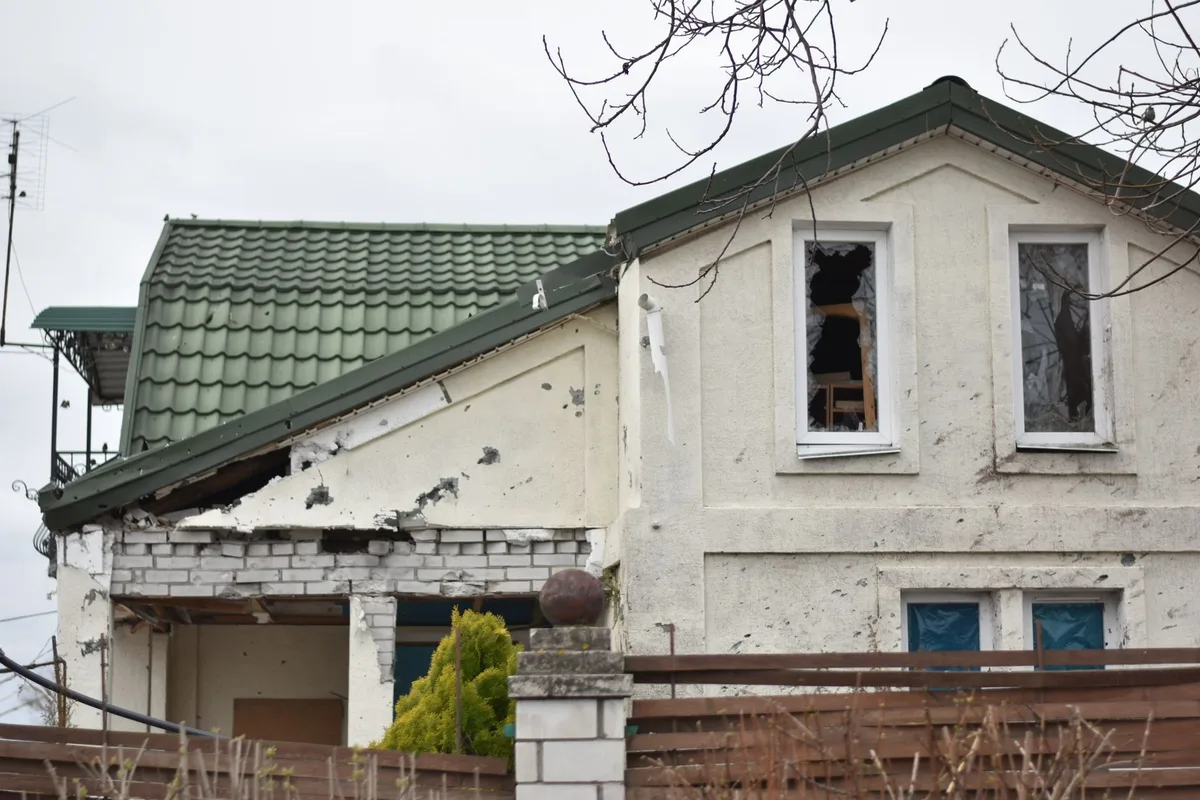
Pexels - Mikhail Nilov · original
In this article
Under-insurance happens when the sum you insure for is less than the true replacement cost of your property or contents. When you make a claim, many UK buildings and contents policies apply an “average clause” (also called the condition of average), which cuts your payout proportionally, even for partial losses. If you’re insured for half the real value, you may receive only half of what you claim, leaving you to cover the shortfall out of pocket.
What Is Under-Insurance?
Under-insurance means your policy’s sum insured falls short of the full rebuild cost (for buildings) or replacement cost (for contents). It often happens when you guess rather than calculate, or when you fail to update your cover as prices rise. Many homeowners underestimate rebuild costs, confusing them with market value, or overlook inflation and extensions when renewing year after year (Association of British Insurers).
A £200,000 buildings policy might seem generous, but if your home would cost £300,000 to rebuild after a total loss, you are under-insured by a third. The same applies to contents: insuring £30,000 of belongings when you own £50,000 worth leaves you exposed.
How the Average Clause Works
The average clause is a proportional reduction written into most UK home and contents policies. If you are under-insured, the insurer pays only the same fraction of any claim that your sum insured bears to the true value, as covered in foundational texts such as Principles of Finance.
The formula:
Payout = (Sum insured ÷ True replacement cost) × Claim amount
Example: Your home’s rebuild cost is £300,000, but you insured it for £200,000. A kitchen fire causes £60,000 of damage. Under the average clause:
(£200,000 ÷ £300,000) × £60,000 = £40,000 payout
You face a £20,000 shortfall, even though your policy limit is well above the claim amount. The clause applies to partial claims, not just total losses.
Why Insurers Use It
Insurers set premiums based on the sum insured. If everyone under-declared values to pay lower premiums, the system would collapse. The average clause creates an incentive to insure honestly: it ensures you pay a fair premium for the risk and discourages gaming the system (MoneyHelper).
Read also: Home and Contents Insurance in the UK: What Is and Is Not Covered
Real Consequences for Homeowners
The average clause turns a manageable repair into a financial burden. Policyholders who thought they had ample cover discover they must fund the gap themselves. In disputes, the Financial Ombudsman Service routinely upholds the clause when the policy wording is clear and the insurer can demonstrate under-insurance (Financial Conduct Authority).
Common triggers include:
- Confusing rebuild cost with market value (rebuild is often higher, especially for older or listed properties)
- Failing to account for inflation, extensions, or home improvements
- Guessing contents value instead of inventorying room by room
- Relying on last year’s sum insured without reviewing
How to Avoid Under-Insurance
- Use a rebuild cost calculator for buildings insurance. Insurers and the Association of British Insurers offer tools that factor in property type, size, age, and region.
- Inventory your contents by room. Count electronics, furniture, clothing, kitchenware, and valuables at today’s replacement cost (new-for-old policies pay for new items, so value accordingly).
- Update your cover at every renewal. Construction costs and retail prices rise; your sum insured should rise with them.
- Check policy wording for the average clause. Some insurers offer “agreed value” policies or waive the clause for an additional premium; confirm terms before you buy.
- Keep receipts and photographs of high-value items. Clear records speed up claims and help you prove replacement costs.
An underinsurance checklist walks you through each room and asset category, ensuring nothing is missed and every figure is realistic. It removes guesswork and gives you confidence that your cover matches your exposure.
Take the Next Step
Under-insurance is silent until you claim. By then, the financial damage is done. A few minutes spent now checking your sums insured can save you thousands in an uncovered shortfall later. Review your buildings rebuild cost and contents replacement value today, update your policy if needed, and protect yourself from the average clause cutting your claim in half.
Disclaimer: This article provides general information about under-insurance and the average clause in UK home and contents insurance policies. It is not regulated financial advice, and we are not authorised by the Financial Conduct Authority. Cover terms, policy wordings, and the application of the average clause vary by insurer and by policy. Always read your policy documents, key facts document, and terms and conditions in full. For advice tailored to your personal circumstances, consider speaking to an FCA-authorised insurance adviser. Verify all coverage details and exclusions with your insurer or an FCA-authorised adviser before making decisions.
Sources
- Choosing the Right Insurance (accessed )
- Insurance: Everyday Money (accessed )
- Consumer Guidance (accessed )
- Principles of Finance (accessed )
Related articles
Wildfire and Home Insurance Cover in the UK: What You Need to Know
Does UK home insurance cover wildfire damage? Learn what buildings and contents policies typically include, key exclusions, and how to claim.

Most Common Home Insurance Claims in the UK
The most common UK home insurance claims include escape of water, theft, storm damage, and accidental damage. Learn what to watch for and how to prevent costly claims.

Home Insurance in the UK: Buildings, Contents and Liability Cover Explained
Buildings, contents and liability cover form UK home insurance. Learn what each protects, how they work together, and which you need.
