Understanding Home Insurance Premium Falls in the UK Market
UK home insurance premiums can fall significantly when competition among insurers intensifies, creating opportunities for homeowners to secure better value on their buildings and contents cover.
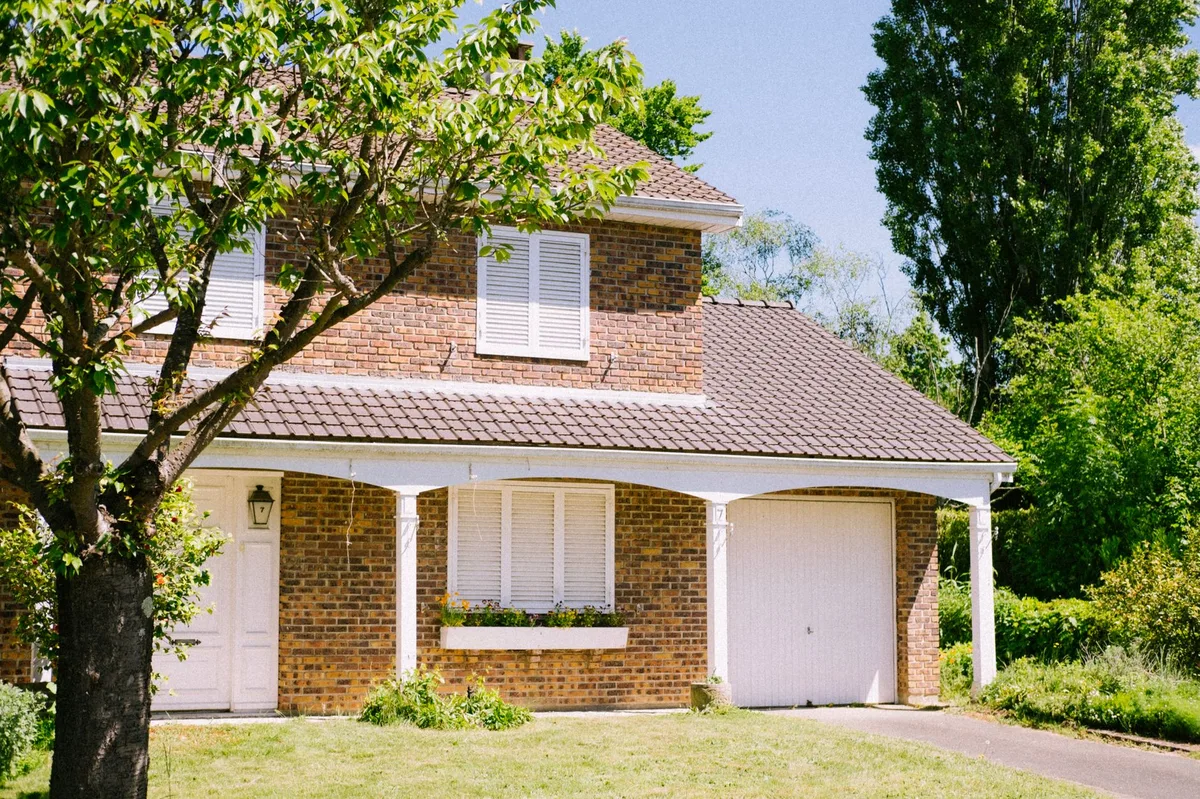
Pexels - Mathias Reding · original
In this article
Key Takeaway: When competition intensifies in the UK home insurance market, premiums typically fall as insurers compete for customers by offering more attractive rates. Homeowners can benefit from these periods of heightened competition by comparing quotes, switching providers, and negotiating renewal terms, but must ensure they maintain adequate cover levels and do not sacrifice essential protection for lower premiums.
Understanding Premium Fluctuations in the UK Home Insurance Market
The UK home insurance market operates on competitive pricing dynamics. When multiple insurers actively compete for market share, premium levels generally decrease as providers undercut one another to attract and retain policyholders. This market behaviour affects both buildings insurance (which covers the structure of your home) and contents insurance (which protects your possessions), as well as combined policies that bundle both types of cover.
Premium movements in the home insurance sector reflect a complex interplay of factors. Competition intensity, claims costs, reinsurance rates, regulatory requirements set by the Financial Conduct Authority (FCA), and broader economic conditions all influence what insurers charge. When competitive pressure increases, particularly through new market entrants or aggressive pricing strategies from established providers, premiums can fall sharply even while underlying claims costs remain stable.
What Drives Increased Competition
Several factors contribute to intensified competition in the UK home insurance market. The rise of digital comparison platforms has made it easier for consumers to shop around, forcing insurers to compete transparently on price and cover terms. New technology allows insurers to assess risk more accurately and operate with lower overhead costs, creating room for competitive pricing.
Market consolidation followed by new entrants also creates competitive waves. When established insurers merge or acquire competitors, new providers often enter the market to fill gaps, bringing fresh pricing strategies and innovative policy structures. Additionally, regulatory interventions by the FCA, such as the ban on excessive renewal price hikes that came into effect in January 2022, have reshaped competitive behaviour by requiring fairer treatment of existing customers.
According to guidance from the Association of British Insurers, the fundamentals of insurance pricing remain rooted in risk assessment and claims experience, but competitive positioning plays an increasingly significant role in premium determination (ABI, 2026).
The Mechanics of Premium Reduction
When competition intensifies, insurers employ several strategies to attract customers while maintaining profitable operations. They may tighten profit margins, accepting lower returns per policy in exchange for higher volume. They refine their risk models to identify lower-risk customers more accurately, offering them better rates. They streamline claims processing and administrative functions to reduce costs that would otherwise be passed to policyholders.
Insurers also differentiate their offerings through policy features rather than price alone. Some may offer enhanced cover at similar premiums to competitors’ basic policies, while others focus on stripping out optional extras to offer the lowest possible baseline price. This creates a tiered market where different customer segments can find suitable options.
The principles underlying insurance pricing, as covered in foundational texts such as Principles of Finance, emphasize the balance between risk pooling, accurate risk assessment, and competitive market forces in determining sustainable premium levels.
What This Means for UK Homeowners
Falling premiums create opportunities but also require careful navigation. Homeowners can potentially save hundreds of pounds annually by switching providers or renegotiating existing policies during competitive periods. However, the Financial Conduct Authority warns that the cheapest policy is not always the best value if it leaves you underinsured or excludes cover you genuinely need (FCA, 2026).
Read also: Home Insurance Premiums Fall 9% in the UK: London and Scotland Lead the Drop
Buildings insurance must cover the full rebuild cost of your property, not its market value. Contents insurance should reflect the replacement cost of your possessions as new (known as new-for-old cover) or on an indemnity basis (which deducts for wear and depreciation). When premiums fall due to competition, these fundamental cover requirements do not change, yet some homeowners may be tempted to reduce cover limits to achieve even lower premiums.
Taking Advantage of Competitive Pricing
To benefit from premium reductions driven by competition, compare quotes from at least three to five insurers well before your renewal date. Use FCA-regulated comparison sites alongside direct insurer quotes, as not all providers appear on all platforms. Review your cover limits, excess levels, and policy exclusions carefully for each quote, ensuring you compare like with like.
MoneyHelper recommends maintaining a home inventory and updating your sum insured regularly to reflect the current rebuild cost and the value of your contents (MoneyHelper, 2026). When you find a better quote, contact your current insurer before your renewal date to ask if they can match or improve it. Many insurers would rather retain you at a lower premium than lose you to a competitor.
Consider whether a combined buildings and contents policy offers better value than separate policies, and review whether optional extras such as accidental damage cover, home emergency assistance, or legal expenses protection genuinely suit your needs.
Potential Pitfalls to Watch
Lower premiums sometimes come with trade-offs that may not be immediately apparent. Higher excess levels reduce premiums but increase your out-of-pocket cost when you claim. Some policies achieve low premiums by excluding common claim types or imposing stricter security requirements.
Read the policy wording and the key facts document before committing to any policy, regardless of how competitive the premium appears. Check that the insurer is authorised by the FCA and covered by the Financial Services Compensation Scheme (FSCS), which protects you if the insurer fails. Verify that any special circumstances affecting your property, such as listed building status, non-standard construction, or previous subsidence, are properly declared and covered.
Conclusion
Intensified competition in the UK home insurance market benefits homeowners by creating downward pressure on premiums and encouraging insurers to offer better value. By understanding the dynamics that drive these competitive periods and approaching the market strategically, you can secure appropriate cover at more favourable rates while avoiding the pitfall of underinsurance. Always compare cover terms alongside premiums, maintain adequate sum insured levels, and verify that your chosen policy meets your genuine protection needs.
Financial Disclaimer: This article provides general information only and does not constitute regulated financial advice. UmbrellaOwl is not authorised by the Financial Conduct Authority. Home insurance requirements, cover options, and premiums vary significantly by property type, location, claims history, and individual circumstances. Policy terms, exclusions, and availability differ across insurers. We strongly recommend reading the full policy wording and key facts document for any policy you consider, comparing quotes from multiple FCA-authorised insurers, and consulting an FCA-authorised insurance adviser or broker for guidance tailored to your specific situation before making any insurance decisions. Verify all current premium levels, cover limits, and policy terms directly with FCA-authorised providers, as market conditions and pricing change frequently.
Sources
- Consumer Guidance on Insurance (accessed )
- Choosing the Right Insurance (accessed )
- Insurance Guidance (accessed )
- Principles of Finance (accessed )
Related articles

How to Cut Your Home Insurance Premiums in the UK: Eight Top Tips
Discover eight practical ways to reduce your home insurance premiums in the UK while maintaining the cover you need.

How to Get a Cheap Home Insurance Deal in the UK
UK home insurance premiums hit seven-year highs. Discover 7 proven ways to cut costs on buildings and contents cover without losing protection.

Home Insurance Costs Rise in the UK: 5 Ways to Save Money on Your Premiums
UK home insurance premiums are rising. Discover 5 proven ways to reduce your buildings and contents insurance costs while maintaining proper cover.
