What Is Buildings Insurance and What Does It Cover in the UK
Buildings insurance protects the structure and permanent fixtures of your home against damage from fire, flood, subsidence, and other insured perils.

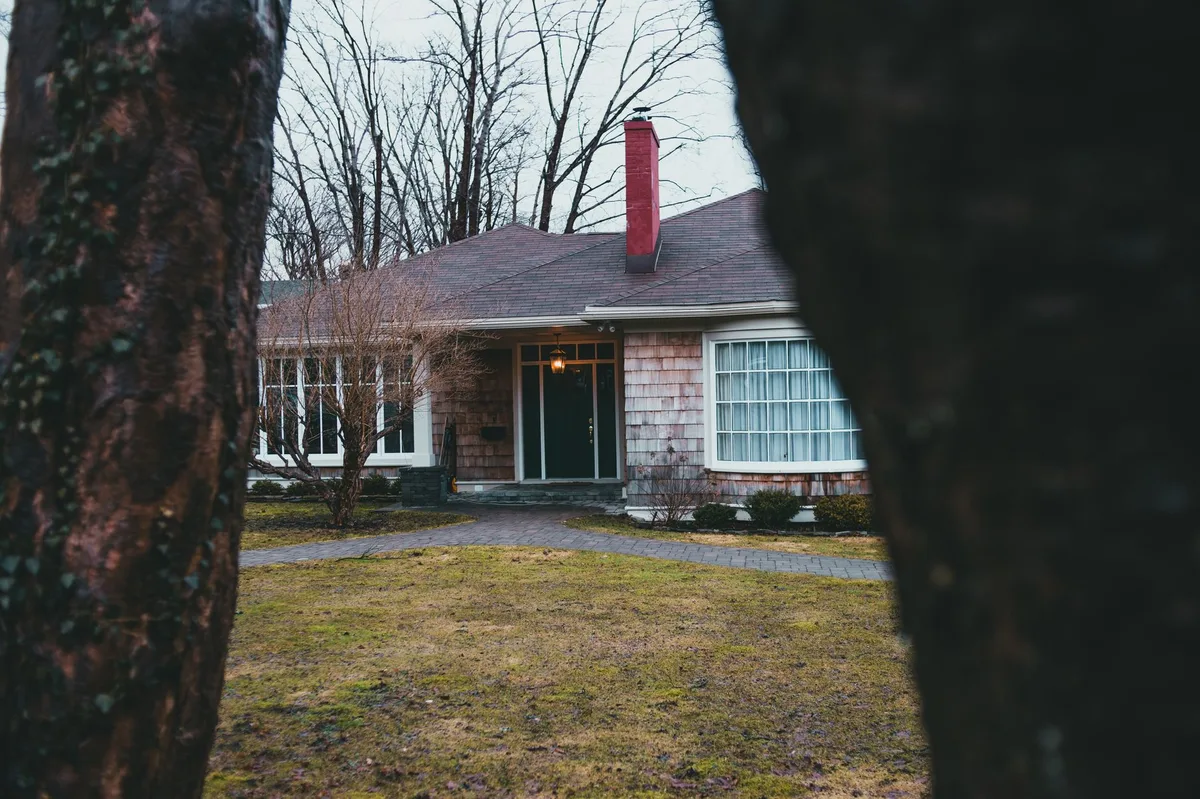
Pexels - Vitali Adutskevich
In this article
Key Takeaway
Buildings insurance covers the permanent structure of your home, including walls, roof, floors, fitted kitchens and bathrooms, and permanent fixtures such as built-in wardrobes. It protects you financially against damage from fire, flood, storm, subsidence, escape of water, theft, and vandalism. If you have a mortgage, your lender will require you to hold buildings insurance as a condition of the loan.
What Buildings Insurance Is
Buildings insurance is a policy that covers the cost of repairing or rebuilding the structure of your home if it is damaged by an insured event (a peril listed in your policy wording). According to the Association of British Insurers, buildings insurance typically covers the main structure, permanent fixtures, and outbuildings such as garages and sheds (ABI, 2026).
The cover limit (the sum insured) should reflect the full rebuilding cost of your home, not its market value. Rebuilding costs are often lower than market value in expensive areas and higher in rural locations where materials and labour cost more. Most insurers will ask you to confirm or calculate the rebuild value when you take out or renew your policy.
What Buildings Insurance Covers
Standard buildings insurance covers damage to the structure and permanent fixtures from:
- Fire, lightning, explosion, and earthquake
- Storm and flood
- Escape of water or oil from fixed systems (burst pipes, leaking tanks)
- Theft or attempted theft (damage to the structure itself, such as a broken door or window)
- Vandalism and malicious damage
- Falling trees, aerials, or satellite dishes
- Subsidence, ground heave, and landslip (often subject to a higher excess)
- Impact by vehicles or aircraft
The policy also covers permanent fixtures such as fitted kitchens, bathrooms, central heating systems, solar panels fixed to the roof, and sometimes outbuildings on your property. According to MoneyHelper, you should check your policy wording to confirm whether garages, sheds, gates, and boundary walls are included (MoneyHelper, 2026).
Read also: How to Compare Home Insurance Quotes in the UK: A Complete 2027 Guide
Many policies include public liability cover as standard, which protects you if someone is injured on your property or if damage from your property affects a neighbour (for example, if your tree falls on their car).
What Buildings Insurance Does Not Cover
Buildings insurance does not cover:
- The contents of your home (furniture, electronics, clothing). You need separate contents insurance for these items.
- General wear and tear, or damage from lack of maintenance. Insurers expect you to keep the property in good repair.
- Damage caused by subsidence to patios, driveways, boundary walls, gates, and fences, unless the main building is also affected.
- Accidental damage, unless you have added this optional extension to your policy.
Next Steps and Disclaimer
If you own your home, compare buildings insurance quotes from FCA-authorised insurers and check that the sum insured reflects the full rebuild cost, not the market value. Read the policy wording and the key facts document carefully to understand what is and is not covered, and confirm the excess amount (the amount you pay towards each claim).
Important disclaimer: This article provides general information only and is not regulated financial advice. We are not authorised by the Financial Conduct Authority. Buildings insurance requirements, cover limits, exclusions, and premiums vary by insurer and by policy. Before purchasing or renewing buildings insurance, we recommend you verify current terms with an FCA-authorised insurance adviser or broker who can assess your personal circumstances and recommend a policy suited to your property. Always read the policy wording and key facts document before committing to cover.
Sources
- Insurance - Everyday Money (accessed )
- Products and Issues (accessed )
- Insurance (accessed )
Related articles
Home Insurance Renewal Before Winter: UK Review Checklist
Review your UK home insurance before winter with this checklist covering buildings sum insured, winter risks, exclusions, and policy terms.

Home and Contents Insurance in the UK: What Is and Is Not Covered
Learn what UK buildings and contents insurance covers, common exclusions, and where standard policies stop protecting your home.

Buildings Insurance vs Contents Insurance: What UK Homeowners Need to Know
Buildings vs contents insurance in the UK: learn what each covers, when you need them, and how to avoid common mistakes when protecting your home.
