Commercial Auto vs. Personal Auto Insurance in the US: When Your Policy Stops Covering Work
Personal auto insurance typically excludes business use, leaving drivers unprotected when using their vehicle for work. Understanding the line between personal and commercial coverage is critical for compliance and financial protection.

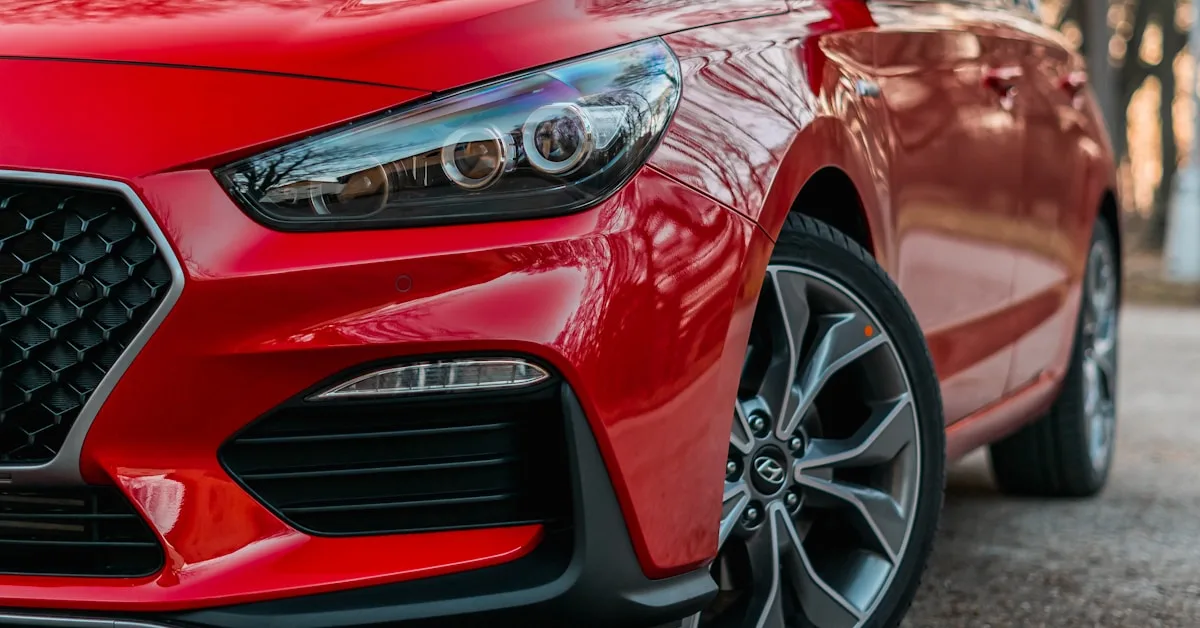
Pexels - RDNE Stock project · original
In this article
Key Takeaway
Personal auto insurance policies in the United States typically exclude coverage when you use your vehicle for business purposes, such as delivering goods, transporting passengers for pay, or regular work-related travel beyond commuting. If you use your car to generate income or conduct business operations, you likely need a commercial auto policy to avoid coverage gaps that could leave you financially exposed after an accident.
Understanding the Coverage Divide
Most drivers purchase personal auto insurance to cover their daily commuting, errands, and personal trips. However, the moment you start using that same vehicle for business activities, the coverage provided by a standard personal policy often stops. This distinction between personal and commercial auto insurance exists because business use introduces different risk profiles, frequency of use, and liability exposures that personal policies are not designed to cover.
According to the Insurance Information Institute, personal auto policies are structured around the assumption of personal, non-commercial use (III, 2024). When that assumption changes, so does the need for appropriate coverage.
What Personal Auto Insurance Covers
A standard personal auto policy provides several types of coverage: liability (bodily injury and property damage), collision, comprehensive, uninsured/underinsured motorist protection, and medical payments or personal injury protection (PIP), depending on your state. These coverages apply to personal use, which generally includes commuting to and from a single workplace, running errands, family transportation, and recreational driving.
Commuting to work is typically covered under personal policies because it is considered incidental personal use. However, the line blurs when your vehicle becomes a tool of your trade or business operations.
Business Use Exclusions in Personal Policies
Personal auto insurance policies contain business use exclusions that deny coverage when the vehicle is used for commercial purposes. These exclusions typically apply to:
- Transporting goods or materials for a fee or as part of business operations
- Carrying passengers for compensation (rideshare, taxi services)
- Making deliveries for restaurants, courier services, or e-commerce platforms
- Using the vehicle as part of a business service (real estate showings, client transportation, mobile services)
- Regular business travel to multiple job sites or client locations beyond normal commuting
The exclusion exists because commercial use increases accident risk due to higher mileage, more time on the road, fatigue, and the pressure to meet delivery or service deadlines. Insurers price personal policies based on personal risk profiles, and extending coverage to business use without appropriate premium adjustment would create significant underwriting losses.
As covered in Principles of Finance, insurance pricing depends on accurate risk assessment and the pooling of similar risks; mixing commercial exposure into personal policy pools disrupts this fundamental actuarial principle.
When You Need Commercial Auto Insurance
You need commercial auto insurance if you regularly use your vehicle for any of these purposes:
- Operating a business that requires vehicle use (contractors, landscapers, consultants who visit multiple sites daily)
- Making deliveries for compensation
- Transporting clients, customers, or passengers for pay
- Using your vehicle to haul equipment, tools, or inventory for business operations
- Owning a vehicle titled to a business entity
Commercial auto policies are designed to cover higher mileage, business liability exposures, and the specialized equipment or cargo that businesses transport. Coverage limits are often higher than personal policies, reflecting the greater liability risks involved in commercial operations.
The National Association of Insurance Commissioners notes that state insurance regulators require appropriate coverage for the actual use of the vehicle, and misrepresenting business use on a personal policy can result in claim denials and policy cancellation (NAIC, 2024).
Read also: Usage-Based Car Insurance in the US: Telematics Discounts and Privacy Trade-Offs
Rideshare and Delivery: The Gray Area
The rise of gig economy platforms such as rideshare and food delivery services has created a complex coverage gap. Personal auto policies exclude coverage when you are driving for hire, but many drivers do not realize their personal policy stops covering them the moment they turn on a rideshare or delivery app, even before accepting a ride or delivery.
Most rideshare and delivery companies provide some level of commercial coverage, but it typically activates only when you have accepted a job and are actively transporting a passenger or delivery. The period when you are logged into the app and waiting for a request often falls into a coverage gap where neither your personal policy nor the platform’s commercial policy fully applies.
To close this gap, many insurers now offer rideshare or delivery endorsements that extend personal auto coverage during these waiting periods. If you drive for any gig platform, you should contact your insurance agent to discuss adding this coverage or obtaining a commercial policy that covers all phases of your business use.
State Requirements and Variations
Auto insurance is regulated at the state level, and requirements for commercial coverage vary. Some states have specific rules about when commercial insurance is mandatory, while others leave more discretion to insurers and policyholders. However, all states require that you carry coverage appropriate to your vehicle’s actual use.
Failing to disclose business use or operating with the wrong type of policy can result in:
- Claim denials, leaving you personally liable for all damages and injuries
- Policy cancellation or non-renewal
- Difficulty obtaining coverage in the future
- Potential fraud charges if misrepresentation is intentional
Before using your vehicle for any business purpose, contact a licensed insurance agent in your state to confirm what coverage you need and whether your current policy includes business use exclusions.
Protecting Yourself with the Right Coverage
The boundary between personal and commercial auto use is not always obvious, but the financial consequences of being uninsured during business activities are severe. If you earn income with your vehicle, transport business materials, or make regular business trips beyond simple commuting, commercial auto insurance is likely necessary.
Contact a licensed insurance agent to review your vehicle use and obtain a quote for commercial coverage or a business use endorsement. Disclose all uses of your vehicle honestly when applying for coverage. State Departments of Insurance maintain resources to help consumers understand coverage requirements, and the Consumer Financial Protection Bureau offers tools to compare policy options (CFPB, 2024).
The difference between personal and commercial auto insurance can mean the difference between full protection and complete financial exposure. Make sure your policy matches how you actually use your vehicle, not just how you wish to be covered.
Disclaimer: This article provides general educational information about auto insurance in the United States and is not personalized insurance, legal, or financial advice. Coverage rules, exclusions, and requirements vary by state and insurer. Verify your specific coverage needs and policy terms with a licensed insurance agent in your state before making coverage decisions. As of August 2026; confirm current products and requirements with licensed professionals.
Sources
- What Is Covered by a Basic Auto Insurance Policy (accessed )
- Consumer Information on Auto Insurance (accessed )
- Consumer Financial Protection Tools (accessed )
- Principles of Finance (accessed )
Related articles

Auto Insurance Review Checklist Before Winter in the US
Review your auto coverage before winter hits. Check collision, comprehensive, deductibles, and roadside assistance for seasonal hazards.
Gap Insurance for a New Car in the US: Is It Worth the Extra Cost?
Gap insurance covers the difference between your car loan and actual cash value. Learn when it's worth buying for your new car in the US.

How to Compare Auto Insurance Quotes the Right Way in the US
Master the art of comparing auto insurance quotes in the US. Learn what to compare, where to shop, and how to find the best coverage for your budget.
