Usage-Based Car Insurance in the US: Telematics Discounts and Privacy Trade-Offs
Usage-based car insurance can cut premiums by monitoring your driving, but sharing detailed location and behavior data raises privacy concerns worth weighing before you enroll.
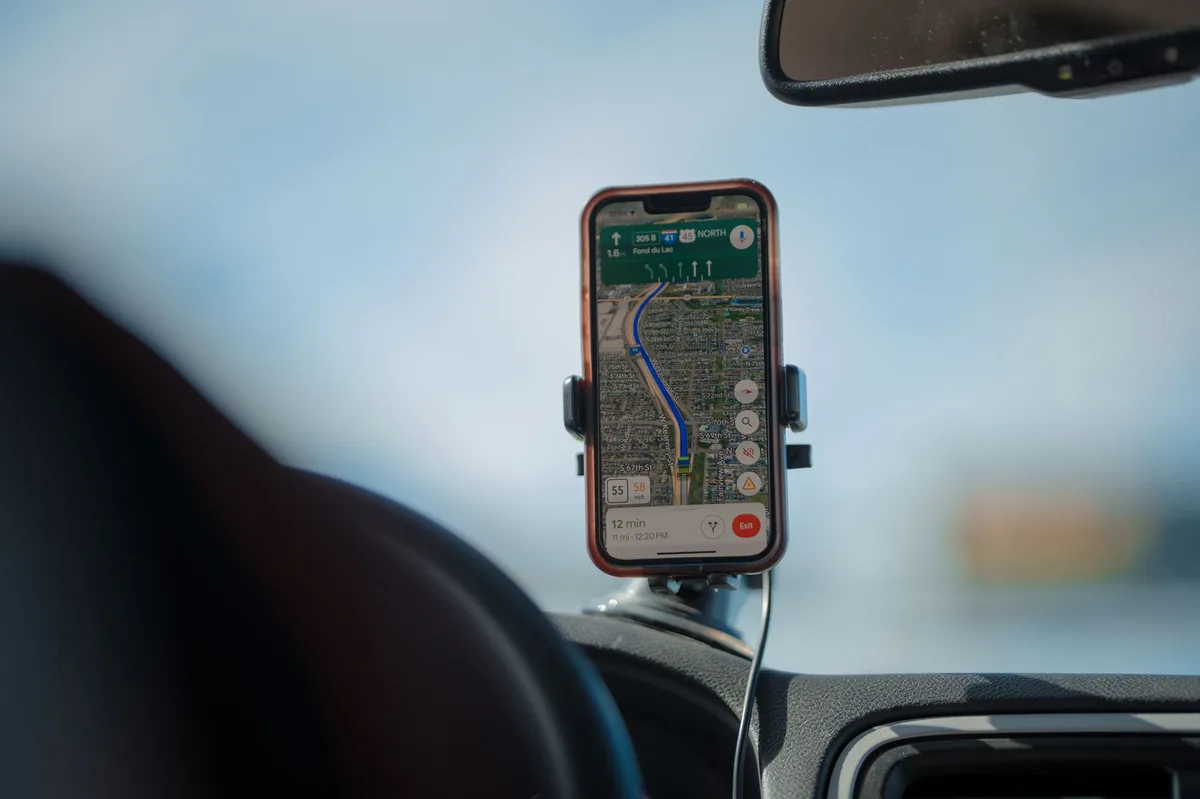
Pexels - William Hadley · original
In this article
Key Takeaway
Usage-based car insurance (UBI) programs use telematics devices or smartphone apps to monitor your driving habits such as mileage, speed, braking, and time of day you drive. Safe drivers can save 10% to 40% on premiums, but enrolling means sharing detailed location and behavior data with your insurer. Before signing up, weigh the potential discount against the privacy trade-off and confirm what data the carrier collects, how long it keeps the information, and whether it shares data with third parties.
What Is Usage-Based Insurance?
Usage-based insurance ties your car insurance premium directly to how you drive, not just traditional factors like age, vehicle type, and ZIP code. Carriers offer telematics programs under names like Progressive Snapshot, State Farm Drive Safe & Save, Allstate Drivewise, and Geico DriveEasy. You install a plug-in device in your vehicle’s diagnostic port or download a mobile app that uses your phone’s sensors.
The system tracks metrics including total miles driven, hard braking events, rapid acceleration, speed relative to posted limits, cornering behavior, and driving time (night and rush-hour trips typically score worse than midday). According to the Insurance Information Institute, these programs reflect the principle that lower-risk driving justifies lower premiums (III, 2026). Foundational insurance texts such as Principles of Finance explain that actuarial pricing relies on measurable risk factors, and telematics simply adds granular real-time data to the model.
Discount Potential and Participation Incentives
Most carriers offer an upfront enrollment discount (typically 5% to 15%) just for joining, followed by ongoing discounts based on your driving score. Safe drivers with low annual mileage, smooth braking, and daytime-only trips can see total savings of 20% to 40%, while high-risk behaviors may reduce or eliminate the discount. A few programs can raise your premium if your score is poor, so read the terms before enrolling.
Low-mileage drivers benefit most: if you work from home or drive under 7,000 miles per year, the usage component alone may qualify you for significant savings. The National Association of Insurance Commissioners notes that state insurance regulators generally allow usage-based rating as long as the data collection and pricing methodology meet transparency and non-discrimination standards (NAIC, 2026). Coverage rules and discount structures vary by state, so confirm your carrier’s program details and verify current terms with a licensed agent before deciding.
Privacy Concerns and Data You Share
Telematics programs collect second-by-second GPS location, timestamps, and driving events. Carriers store this data for the policy term and sometimes longer. Privacy advocates warn that detailed location logs can reveal where you live, work, worship, seek medical care, and spend leisure time. In the event of a claim dispute or legal proceeding, this data may be subpoenaed and used against you.
Key privacy questions to ask before enrolling:
Read also: How to Compare Auto Insurance Quotes the Right Way in the US
- What specific data does the carrier collect (location, speed, time, distance)?
- How long is the data retained, and is it anonymized or linked to your policy?
- Does the carrier share or sell data to third parties, advertisers, or data brokers?
- Can you opt out or delete your data after the monitoring period?
- Will the data be used in underwriting decisions at renewal or shared with other insurers?
Most programs let you review your driving score through a mobile app or web portal, but deletion rights and third-party sharing policies vary widely. The Consumer Financial Protection Bureau recommends reading the full privacy disclosure and understanding your state’s data protection laws before consenting to continuous monitoring (CFPB, 2026).
Next Steps and Practical Guidance
If the potential discount outweighs privacy concerns for your situation, request quotes from at least three carriers that offer telematics programs and compare the enrollment bonus, maximum discount, penalty terms, and data retention policies. Trial periods (typically the first 90 days) let you see your score without locking in a rate increase. Monitor your driving habits during the trial and decide whether to continue.
Drivers who value privacy may prefer traditional rating factors and forego the discount, or choose pay-per-mile programs that only track odometer readings rather than location and behavior. Confirm all terms with a licensed insurance agent for your state and personal circumstances, as coverage requirements, discount structures, and privacy protections vary across jurisdictions.
This information is educational and general in nature, not personalized insurance, legal, or financial advice. Telematics program terms, discount amounts, and data practices are subject to change; verify current details with your carrier or a licensed agent before enrolling. Consult a privacy attorney if you have specific concerns about data collection and use.
Sources
- What Is Covered by a Basic Auto Insurance Policy (accessed )
- NAIC Consumer Information (accessed )
- Consumer Tools and Resources (accessed )
- Principles of Finance (accessed )
Related articles

How to Compare Auto Insurance Quotes the Right Way in the US
Master the art of comparing auto insurance quotes in the US. Learn what to compare, where to shop, and how to find the best coverage for your budget.
How to Lower Your Car Insurance Premium in the US Without Losing Coverage
Learn how to lower your car insurance premium in the US without losing coverage. Adjust deductibles, maximize discounts, and optimize your rates.

Auto Insurance Review Checklist Before Winter in the US
Review your auto coverage before winter hits. Check collision, comprehensive, deductibles, and roadside assistance for seasonal hazards.
