7 Flood Insurance Gaps Homeowners Discover During Hurricane Season in the US
Hurricane season reveals critical flood coverage gaps that catch many homeowners off guard. Learn the seven most common shortfalls before disaster strikes.
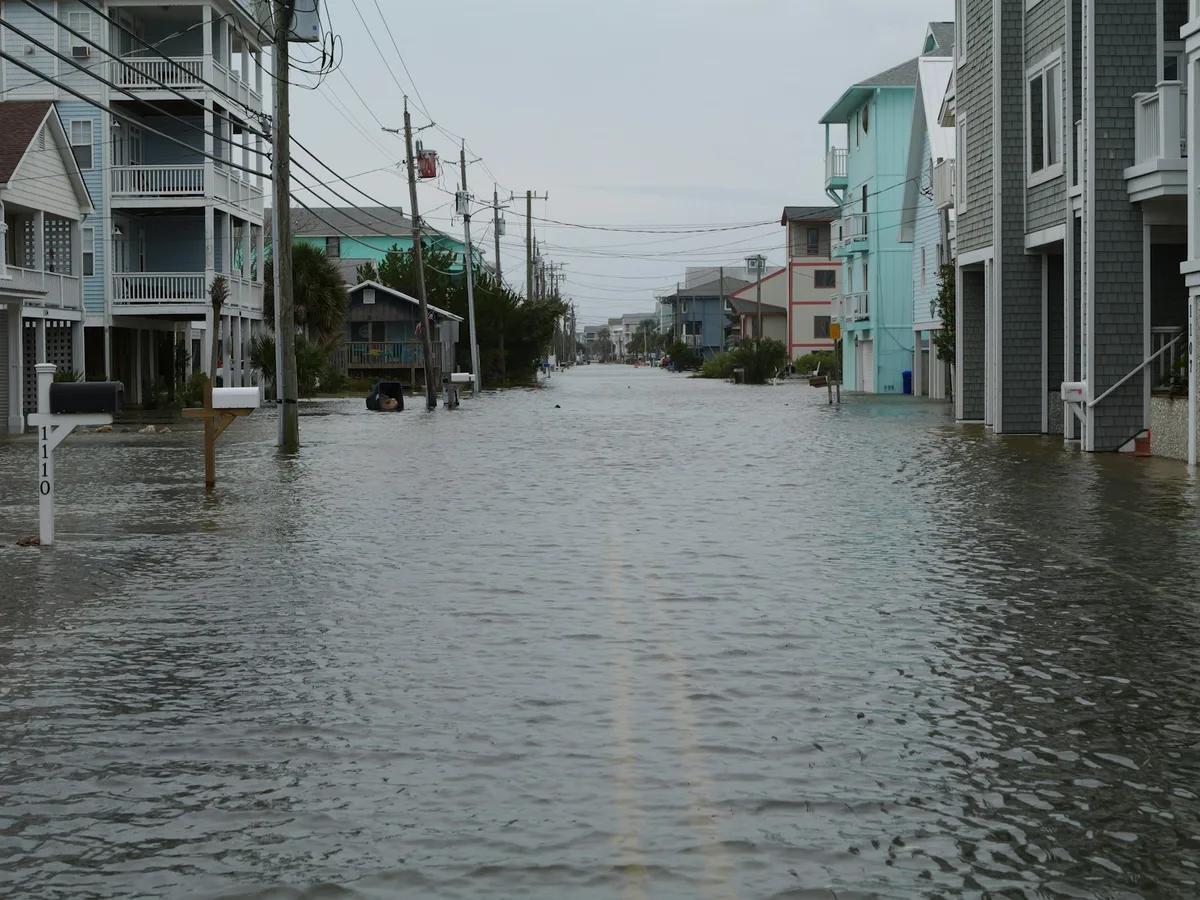
Unsplash - Richard R · original
In this article
Key takeaway: Most homeowners policies exclude flood damage entirely, and many hurricane-season claims reveal critical gaps even when flood coverage exists: 30-day waiting periods, basement exclusions, low coverage limits, and no temporary living expenses. Understanding these limitations before storm season helps you close gaps while coverage is still available.
When hurricane warnings begin, many US homeowners discover too late that their insurance leaves them exposed to catastrophic flood losses. The gap between what people assume is covered and what policies actually pay becomes painfully clear when water rises.
According to the Federal Emergency Management Agency, just one inch of floodwater can cause more than $25,000 in damage to a home (FEMA, 2026). Yet the gaps below catch thousands of homeowners off guard every hurricane season.
1. Your Homeowners Policy Does Not Cover Flood Damage
The most dangerous assumption homeowners make is that their standard homeowners insurance covers flood. It does not. Standard HO-3 and similar policies explicitly exclude damage caused by rising water, storm surge, heavy rain runoff, and other flood-related events.
This gap means that if a hurricane drives a storm surge into your home or causes rivers to overflow, your homeowners policy pays nothing for the water damage. You need a separate flood insurance policy, either through the National Flood Insurance Program (NFIP) or a private flood insurer.
2. NFIP Policies Have a 30-Day Waiting Period
Even when homeowners purchase flood coverage, they often buy too late. NFIP policies typically have a 30-day waiting period between the purchase date and the effective date of coverage. This means if you buy a policy three days before a hurricane, you are not covered when the storm hits.
The waiting period exists to prevent people from buying coverage only when a storm is approaching. Plan ahead: flood insurance should be in place well before hurricane season begins each June 1st. The 30-day rule applies to new policies and increased coverage amounts, with limited exceptions for properties in mandatory purchase situations tied to a mortgage closing.
3. NFIP Coverage Limits Often Fall Short
NFIP policies cap building coverage at $250,000 for single-family homes and $100,000 for contents (personal property). For many coastal homeowners, especially in high-value markets, these limits do not come close to covering full replacement costs.
If your home is worth $500,000 and hurricane flooding destroys it, your NFIP policy pays at most $250,000 for the structure. The remaining $250,000 loss is on you unless you purchased excess flood coverage from a private insurer. Contents limits present similar problems for families with valuable belongings.
As of July 2026, homeowners should verify current NFIP limits with a licensed agent and consider supplemental private flood insurance to fill the gap.
4. Contents Coverage Is Not Automatic
Many homeowners assume that purchasing NFIP building coverage automatically includes contents coverage. It does not. Building and contents are separate coverages, each with separate premiums and limits.
Read also: What Flood Insurance Covers in the US and Why Your Home Policy May Not
If you purchase only building coverage and a hurricane floods your home, NFIP pays to repair the structure but nothing for your furniture, electronics, clothing, or other personal property. You must specifically add contents coverage when buying or renewing your policy. The $100,000 contents limit is the maximum available under NFIP, and again, it is actual cash value, not replacement cost.
5. Basement Coverage Is Severely Limited
NFIP policies provide extremely limited coverage for basements and below-grade areas. Covered items are restricted to essential equipment like furnaces, water heaters, circuit breaker panels, sump pumps, and certain appliances.
Finished basement living spaces, furniture, electronics, stored belongings, and most other personal property in basements are not covered. Even structural elements like drywall, flooring, and paint are excluded for below-grade spaces. This gap leaves homeowners with large out-of-pocket costs to restore basements after flooding, which is common during hurricanes when storm surge and groundwater infiltration push water into lower levels.
6. Temporary Living Expenses Are Not Covered
Standard homeowners policies often include Additional Living Expenses (ALE) or Loss of Use coverage, which pays for hotel stays, meals, and other costs if you must evacuate while your home is repaired. NFIP flood policies do not provide this coverage.
If a hurricane floods your home and you must live elsewhere for three months during repairs, you pay those living expenses yourself. This gap can add tens of thousands of dollars to your out-of-pocket hurricane costs. Some private flood insurers offer ALE coverage, making them worth comparing against NFIP for comprehensive protection.
7. The Definition of Flood Is Narrower Than You Think
NFIP and most flood policies define flood specifically as a general and temporary condition of partial or complete inundation of two or more acres, or two or more properties (one of which is yours). Water backup from sewers or drains, groundwater seepage, and other water intrusion that does not meet this definition may not be covered.
Hurricane-related scenarios like water entering through a wind-damaged roof, sewer backups during heavy rain, or isolated street flooding affecting only your property may fall outside the flood definition. These perils might be covered under your homeowners policy (if wind-driven or part of a covered peril) or may require separate endorsements like sewer backup coverage. Understanding the precise definition helps you identify gaps and purchase the right combination of coverages.
Close the Gaps Before Hurricane Season
Every hurricane season, claims adjusters see the same story: homeowners who thought they were protected discover these gaps when it is too late to fix them. Review your coverage now while you still have time to purchase or adjust policies. Confirm you have both building and contents flood coverage, understand the limits and exclusions, and consider private flood insurance or endorsements to fill the gaps NFIP leaves open.
Flood insurance is general educational information about coverage commonly available in the US insurance market. Coverage rules, limits, and availability vary by state, property location, and flood zone. Consult a licensed insurance agent and your state Department of Insurance for guidance on the specific coverages and limits appropriate for your personal situation before making insurance decisions.
Sources
- National Flood Insurance Program (accessed )
- Flood Insurance Facts (accessed )
- Consumer Information on Insurance (accessed )
Related articles
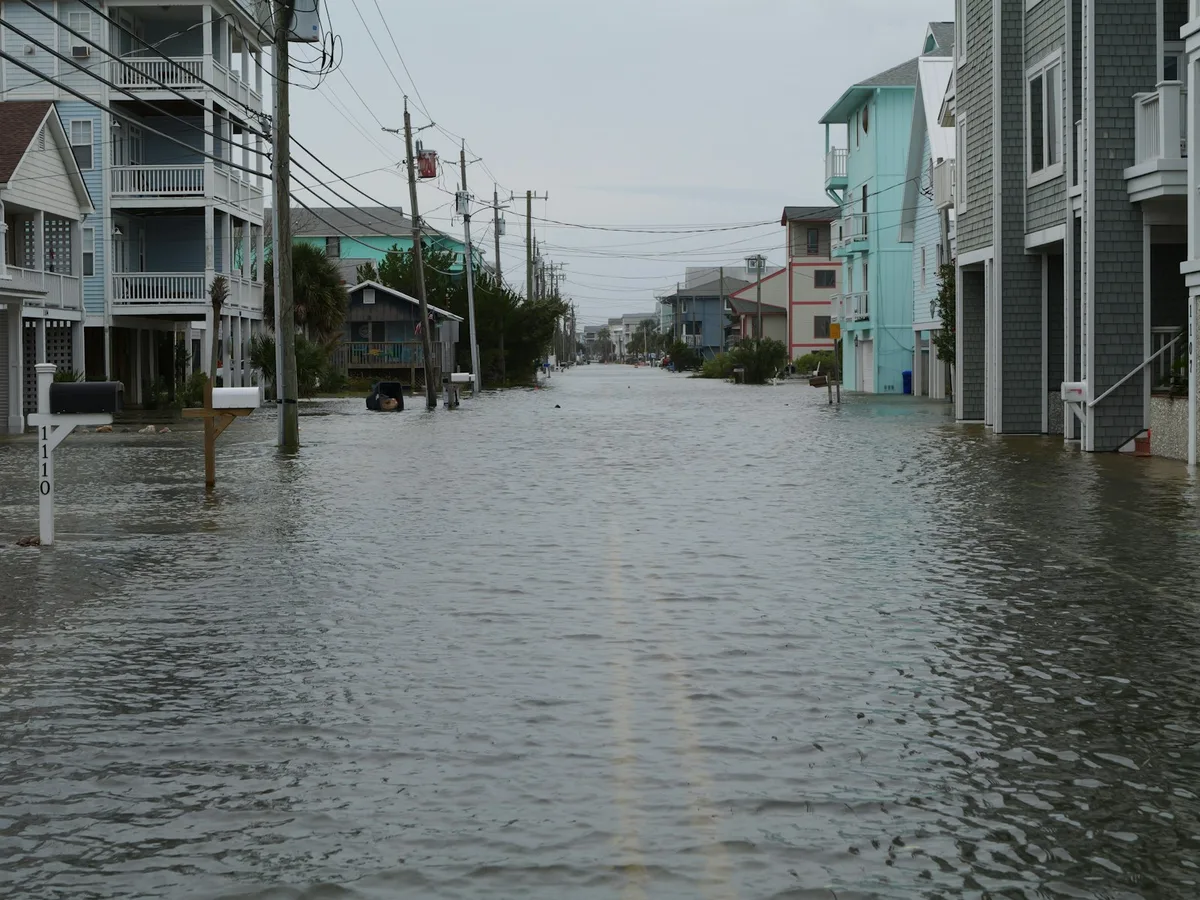
What Flood Insurance Covers in the US and Why Your Home Policy May Not
Standard homeowners insurance excludes flood damage. Learn what federal flood insurance covers in the US and why you need separate protection.
Should You Buy Flood Insurance Before Hurricane Season in Texas?
Texas officials warn homeowners to buy flood insurance now. NFIP policies have a 30-day wait, leaving those who delay unprotected during hurricane season.
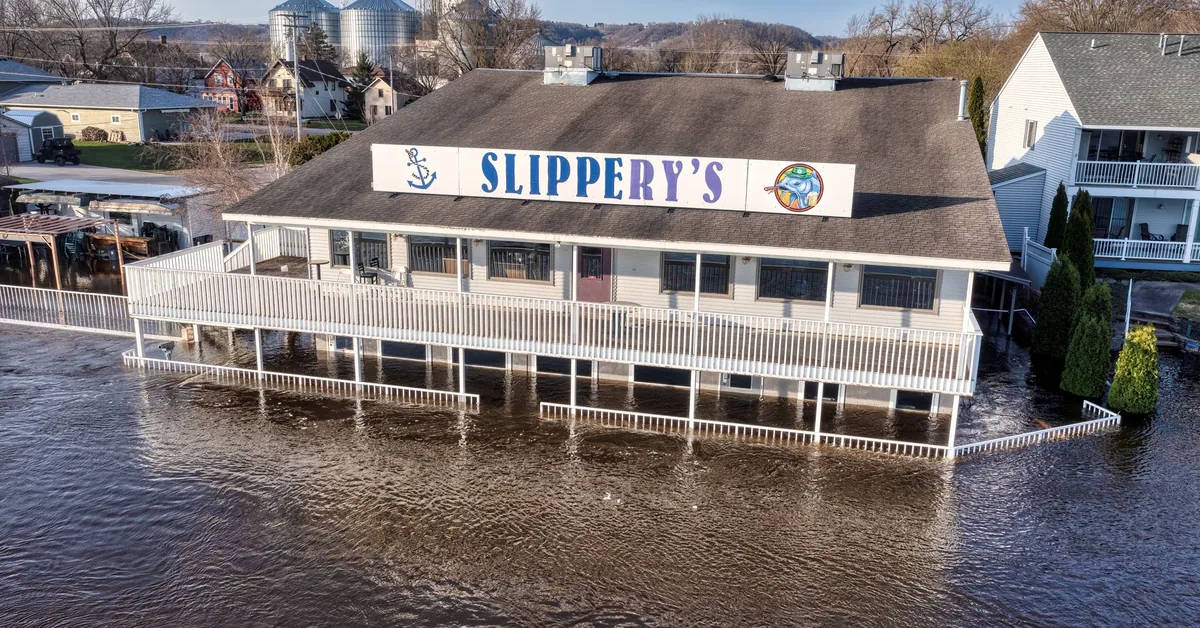
Do I Need Flood Insurance for My Home in the US?
Find out if you need flood insurance for your US home. Learn about NFIP requirements, high-risk zones, and coverage gaps in standard policies.
