What Flood Insurance Covers in the US and Why Your Home Policy May Not
Standard homeowners insurance excludes flood damage. Learn what federal flood insurance covers and why you need separate protection.
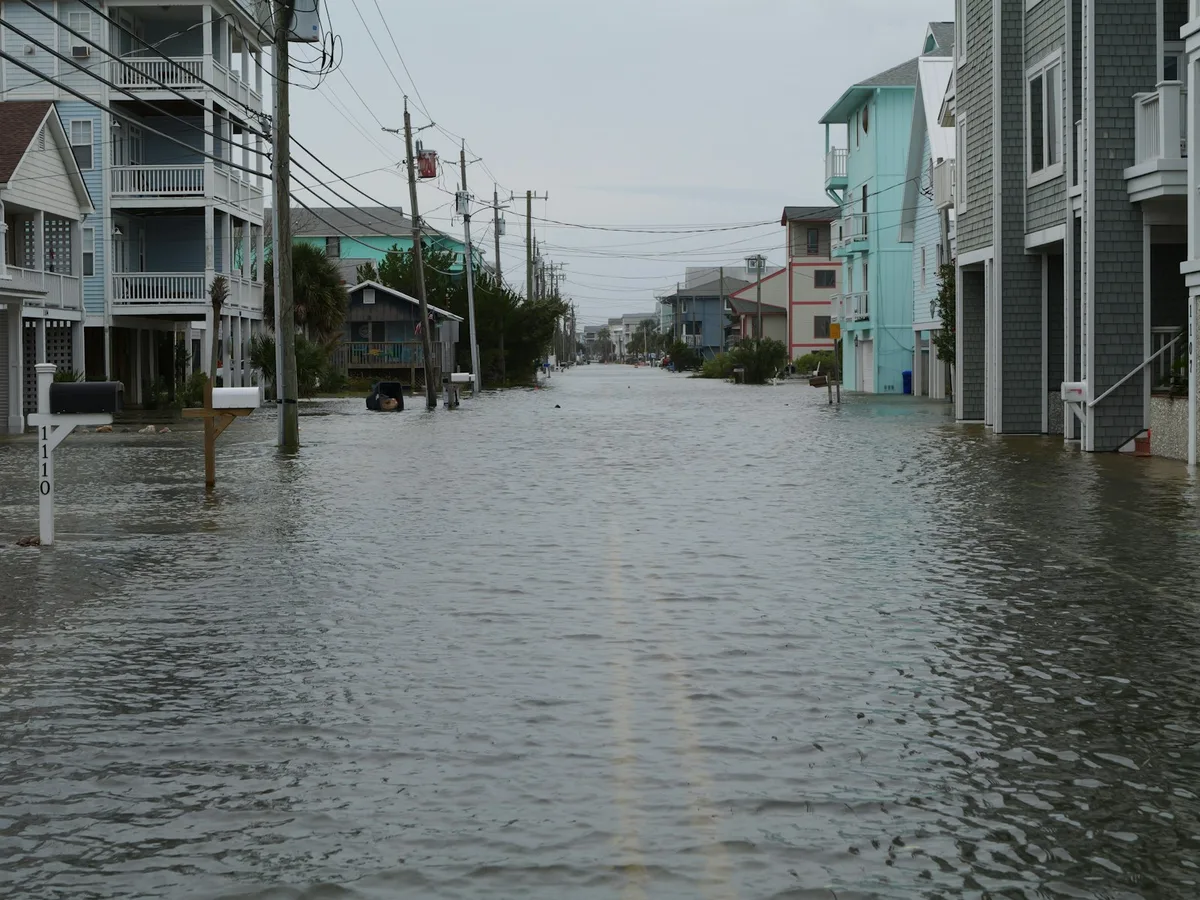
Unsplash - Richard R · original
In this article
Key Takeaway
Standard homeowners insurance policies in the US exclude flood damage. If water enters your home from rising rivers, heavy rain, storm surge, or snowmelt, your home policy will not pay for repairs. Flood insurance, offered primarily through the National Flood Insurance Program (NFIP), covers damage to your building structure and contents when water from outside enters your home. You must purchase a separate flood policy to protect yourself from this coverage gap.
Why Homeowners Insurance Does Not Cover Floods
Homeowners insurance policies specifically exclude flood damage because flooding is a catastrophic risk that affects large numbers of properties at once, making it financially unsustainable for private insurers to cover within standard policies. According to the Federal Emergency Management Agency (FEMA), even one inch of water inside your home can cause tens of thousands of dollars in damage, yet most homeowners believe their standard policy covers this loss.
Your homeowners policy covers many types of water damage, such as a burst pipe, a leaking roof after wind damage, or sudden discharge from a broken appliance. However, it draws a clear line: if water comes from outside your property and moves inland, it is a flood, and your claim will be denied. This distinction catches many property owners by surprise after a disaster.
What Flood Insurance Covers
Flood insurance through the NFIP covers direct physical damage caused by flooding, defined as a general and temporary condition where two or more acres of normally dry land are inundated, or two or more properties (including yours) are affected. Coverage is divided into two parts:
Building coverage pays to repair or replace your home’s structure, including the foundation, electrical and plumbing systems, HVAC equipment, built-in appliances, and permanently installed fixtures. Coverage limits go up to $250,000 for residential buildings. The policy covers the physical building itself but excludes certain items like swimming pools, landscaping, and detached structures such as garages or sheds (though some limited coverage applies).
Contents coverage is separate and optional. It covers personal belongings inside your home, such as furniture, clothing, electronics, and portable appliances, up to $100,000. Contents coverage must be purchased in addition to building coverage if you want both.
The NFIP does not cover temporary living expenses if you must evacuate, nor does it cover additional living costs while your home is being repaired. Some private flood insurance carriers offer broader coverage options, including loss of use and higher limits, but availability and cost vary by location.
Who Needs Flood Insurance
According to the Insurance Information Institute, anyone can experience flood damage, not just those in high-risk flood zones. More than 20 percent of flood insurance claims come from properties outside mapped high-risk areas. Flooding can result from heavy rain, snowmelt, poor drainage, or overwhelmed storm systems, even in areas far from rivers or coastlines.
Read also: Do I Need Flood Insurance for My Home in the US?
If you have a mortgage on a property located in a Special Flood Hazard Area (SFHA, also called a high-risk flood zone), your lender will require you to carry flood insurance as a condition of the loan. However, even if you are not required to buy it, purchasing flood insurance is a financially sound decision if you live in a moderate- or low-risk area. Flood policies in lower-risk zones often cost less than $500 per year and can prevent catastrophic financial loss.
Renters should also consider flood insurance. A renters flood insurance policy covers your personal belongings if your apartment or rental home floods. Your landlord’s flood policy covers only the building structure, not your possessions.
How to Get Flood Insurance
Most flood insurance in the US is purchased through the NFIP, a federal program managed by FEMA. You buy the policy through a licensed insurance agent or carrier that participates in the program. Policies typically have a 30-day waiting period before coverage begins, so you cannot wait until a storm is forecast to purchase protection.
A few private insurance companies also offer flood insurance, often with higher coverage limits, broader definitions, and additional options such as coverage for temporary housing. Compare quotes and terms carefully, as private flood insurance may be more or less expensive depending on your property’s flood risk and the coverage you select.
Next Steps
Contact a licensed insurance agent to request a flood insurance quote and determine your property’s flood zone. Your local FEMA flood map, available through the FEMA Flood Map Service Center, shows your risk level. If you rent, ask your agent about contents-only flood coverage. Confirm your current homeowners or renters policy does not cover flood damage and act before the next storm season.
Disclaimer: This article provides general educational information about flood insurance in the United States. It is not personalized insurance, legal, or financial advice. Coverage terms, exclusions, premiums, and availability vary by location, insurer, and individual property characteristics. Flood insurance requirements and flood zone designations are determined by FEMA flood maps and may change over time. Before purchasing or declining flood insurance, consult a licensed insurance agent familiar with your state’s regulations and your property’s specific flood risk. Verify all coverage details, waiting periods, and exclusions directly with your insurer or agent before making a decision.
Sources
- Flood Insurance (accessed )
- Insurance Information Institute (accessed )
- Consumer Insurance Information (accessed )
Related articles
What Flood Insurance Covers and Why Your Home Policy May Not in the US
Standard home insurance excludes flood damage. Learn what flood coverage includes, why your homeowners policy won't pay, and how to get protection in the US.
7 Flood Insurance Gaps Homeowners Discover During Hurricane Season in the US
Discover the 7 critical flood insurance gaps US homeowners find during hurricane season, from NFIP limits to basement exclusions.
Do I Need Flood Insurance for My Home in the US?
Find out if you need flood insurance for your US home. Learn about NFIP requirements, high-risk zones, and coverage gaps in standard policies.
