What Flood Insurance Covers and Why Your Home Policy May Not in the US
Standard homeowners insurance excludes flood damage. Learn what flood insurance actually covers, why you need separate protection, and how to get it through the NFIP or private carriers.
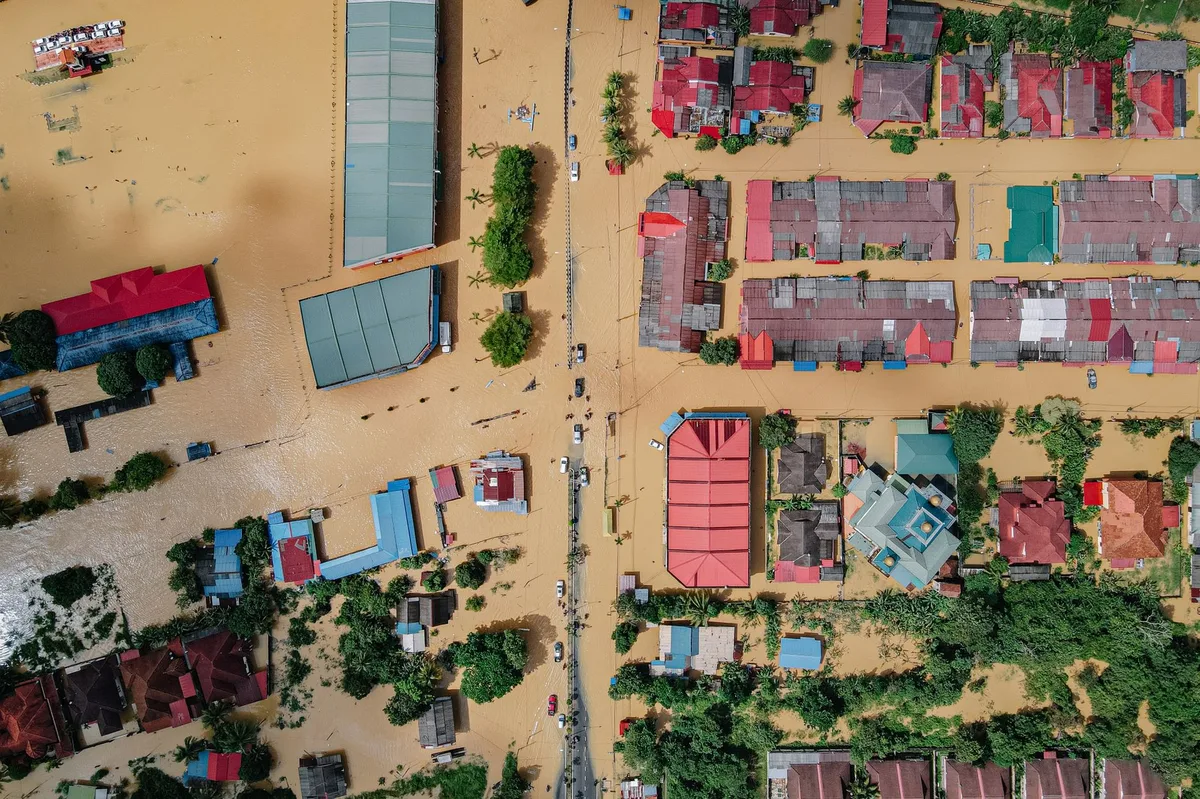
Pixabay · original
In this article
Key Takeaway: Standard homeowners insurance policies exclude flood damage entirely. Flood insurance, available through the National Flood Insurance Program (NFIP) or private carriers, covers damage from rising water due to storms, rapid snowmelt, or overflowing bodies of water. If you live in a flood-prone area or near water, separate flood coverage is essential to protect your home and belongings from what is one of the costliest natural disasters in the United States.
Why Your Home Insurance Does Not Cover Floods
Most homeowners assume their policy covers all water damage, but that is not true. Standard homeowners insurance (HO-3 and similar policies) specifically exclude flood damage. This exclusion applies to water that enters your home from outside sources, such as rising rivers, storm surge, heavy rain runoff, or overflowing drainage systems.
Your home policy may cover certain types of water damage, such as a burst pipe or a leaking roof, but it will not pay for damage caused by external flooding. According to the Federal Emergency Management Agency (FEMA), floods are the most common and costly natural disaster in the United States, yet many homeowners remain unprotected (FEMA, 2026).
Understanding this coverage gap is critical. If a storm causes water to enter your home from the ground up, your homeowners policy will deny the claim. Flood insurance is the only way to cover this risk.
What You Will Learn
This guide explains what flood insurance actually covers, why standard home policies exclude floods, how to obtain flood coverage through the NFIP or private insurers, and practical steps to protect your property and finances.
1. Understanding the Flood Insurance Definition
Flood insurance defines a flood as a general and temporary condition where two or more acres of normally dry land are inundated with water, or when two or more properties (including yours) are affected by rising water. This definition includes:
- Overflow of inland or tidal waters
- Unusual and rapid accumulation or runoff of surface waters
- Mudflow caused by flooding
- Collapse of land along a body of water due to erosion or undermining caused by waves or water
This is not the same as water damage from internal sources (like a burst washing machine hose) or roof leaks during a rainstorm. Those situations may fall under your homeowners policy, but external rising water does not.
2. What Flood Insurance Covers
Flood insurance policies through the NFIP offer two types of coverage: building property coverage and personal property (contents) coverage. You can purchase one or both, depending on your needs.
Building Property Coverage (up to $250,000 for residential structures) covers:
- The structure of your home, including foundation, walls, and roof
- Electrical and plumbing systems
- HVAC equipment, water heaters, and built-in appliances
- Permanently installed carpeting and flooring
- Detached garages (limited coverage)
Personal Property Coverage (up to $100,000) covers:
- Furniture, clothing, and electronics
- Portable appliances and other belongings
- Curtains and area rugs
Flood insurance does not cover temporary housing, landscaping, swimming pools, decks, patios, or most belongings stored in basements (only specific items like washers, dryers, and furnaces receive limited basement coverage).
Private flood insurance policies may offer higher coverage limits and additional options, but the NFIP remains the most widely available source of flood coverage in the United States.
3. Why You Need Separate Flood Coverage
Floods cause billions of dollars in damage annually across the United States. Even if you do not live in a designated high-risk flood zone, you may still face flood risk. According to FEMA, more than 20 percent of flood insurance claims come from properties outside high-risk flood zones (FEMA, 2026).
Read also: What Flood Insurance Covers in the US and Why Your Home Policy May Not
If you have a mortgage on a property in a high-risk flood zone (Special Flood Hazard Area, or SFHA), federal law requires you to carry flood insurance. Even if it is not required, coverage is advisable. One inch of water in a home can cause tens of thousands of dollars in damage, and without flood insurance, you bear the full cost of repairs and replacement.
Foundational public health and safety texts, such as Principles of Public Health: A Simple Text Book on Hygiene, emphasize the importance of mitigating environmental risks to protect households from disaster-related health and financial harms.
4. How to Get Flood Insurance
You can obtain flood insurance through the NFIP or from private insurers. To purchase NFIP coverage, contact your homeowners insurance agent or any property and casualty insurance agent licensed in your state. Policies are sold through private insurers but backed by the federal government.
Steps to get NFIP flood insurance:
- Confirm your property is in a participating NFIP community (most are).
- Request a quote from your insurance agent.
- Review coverage limits for building and contents.
- Purchase the policy. There is typically a 30-day waiting period before coverage begins, so do not wait until a storm is approaching.
Private flood insurance policies are also available and may offer higher coverage limits, broader coverage options, and faster claims processing. Compare quotes and terms from both NFIP and private carriers to determine which option best fits your needs and budget (as of August 2026; verify current terms with a licensed agent before deciding).
5. Practical Tips for Choosing Flood Coverage
- Assess your flood risk: Use FEMA’s Flood Map Service Center to check your property’s flood zone designation and risk level.
- Consider contents coverage: Building coverage alone does not replace your belongings. If you have significant personal property, add contents coverage.
- Review coverage limits: NFIP limits may not cover the full replacement cost of a high-value home. Consider private flood insurance or additional coverage if needed.
- Document your property: Take photos and create an inventory of your belongings to support claims if flooding occurs.
Common Mistakes to Avoid
- Assuming homeowners insurance covers floods: It does not. You must purchase separate flood insurance.
- Waiting until a storm is imminent: NFIP policies have a 30-day waiting period. Buy coverage before flood season or before a storm is forecast.
- Skipping contents coverage: Many homeowners buy building coverage only and lose thousands of dollars in personal property during a flood.
- Ignoring flood risk outside high-risk zones: Properties in moderate- or low-risk zones still flood. Coverage is often cheaper in these areas, making it a smart precaution.
Frequently Asked Questions
Does renters insurance cover flood damage?
No. Renters insurance excludes flood damage, just like homeowners insurance. Renters can purchase separate NFIP contents-only flood insurance to protect their belongings.
How much does flood insurance cost?
NFIP premiums vary based on flood zone, coverage limits, deductible, and property characteristics. Average annual premiums range from a few hundred to several thousand dollars. Properties in lower-risk zones typically pay less (as of August 2026; confirm current rates with a licensed agent).
Can I get flood insurance if I live in a high-risk zone?
Yes. NFIP coverage is available in high-risk zones, though premiums are higher. Private insurers may also offer policies, sometimes at competitive rates.
Conclusion
Flood insurance is the only way to protect your home and belongings from rising water damage. Standard homeowners policies exclude floods entirely, leaving you financially exposed if a storm, rapid snowmelt, or overflowing waterway causes damage. Whether you live in a high-risk flood zone or a lower-risk area, flood insurance provides critical protection against one of the most common and costly natural disasters in the United States.
Contact a licensed insurance agent to get a flood insurance quote through the NFIP or a private carrier. Confirm your coverage limits, add contents protection if needed, and purchase coverage before the next storm season. Coverage rules and availability vary by state and property, so verify current terms and requirements with your state Department of Insurance and a licensed agent for your personal situation.
Disclaimer: This article provides general educational information about flood insurance in the United States and is not personalized insurance, financial, or legal advice. Coverage terms, premiums, limits, and availability vary by state, property, and insurer. Consult a licensed insurance agent and your state Department of Insurance to confirm current requirements and coverage options for your specific situation before making insurance decisions.
Sources
- Flood Insurance (accessed )
- Facts and Statistics: Flood Insurance (accessed )
- Consumer Information: Flood Insurance (accessed )
- Principles of Public Health: A Simple Text Book on Hygiene (accessed )
Related articles
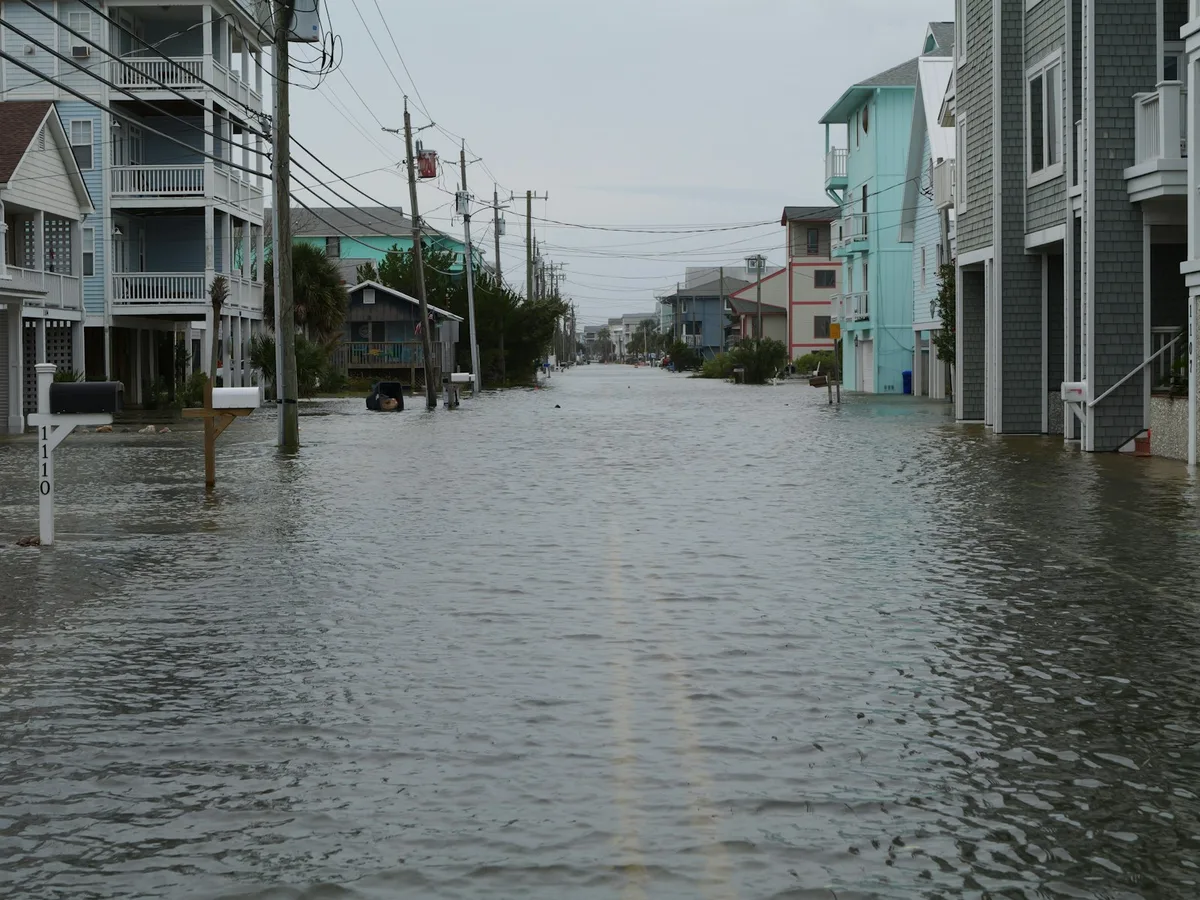
What Flood Insurance Covers in the US and Why Your Home Policy May Not
Standard homeowners insurance excludes flood damage. Learn what federal flood insurance covers in the US and why you need separate protection.

How to Estimate Your NFIP Flood Insurance Premium by Flood Zone in the US
Learn how FEMA flood zones affect your NFIP premium and estimate your annual flood insurance cost with our interactive calculator.
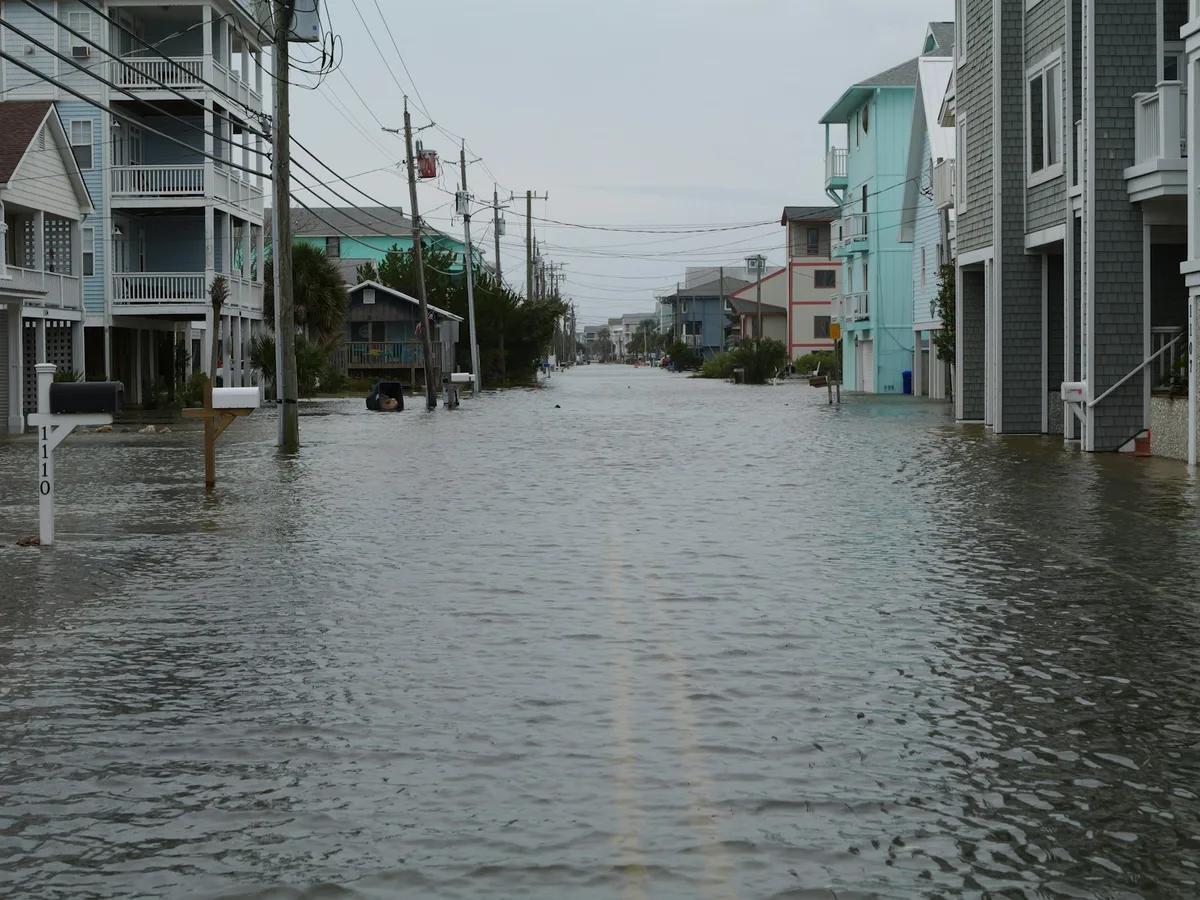
7 Flood Insurance Gaps Homeowners Discover During Hurricane Season in the US
Discover the 7 critical flood insurance gaps US homeowners find during hurricane season, from NFIP limits to basement exclusions.
