How to Estimate Your NFIP Flood Insurance Premium by Flood Zone in the US
Understand how FEMA flood zones determine your National Flood Insurance Program premium and use our calculator to estimate your annual cost.

Unsplash - Ali Kazal · original
In this article
Your NFIP flood insurance premium is determined primarily by your property’s FEMA flood zone, which reflects your flood risk level. High-risk zones (like A and V zones) cost significantly more than moderate-to-low risk zones (B, C, and X). Use our flood insurance calculator to estimate your annual premium based on your zone, coverage amount, building elevation, and deductible choices.
Understanding FEMA Flood Zones and Premium Pricing
The National Flood Insurance Program (NFIP), administered by FEMA, determines flood insurance premiums based on detailed flood risk maps that divide the United States into specific flood zones. Your zone designation directly affects your premium because it reflects the statistical likelihood of flooding at your property location (FEMA, 2026).
High-risk zones, labeled A and V (A zones for riverine flooding, V zones for coastal flooding with wave action), require flood insurance if you have a federally backed mortgage. These zones carry the highest premiums because properties here have at least a 1 percent annual chance of flooding, also called the 100-year floodplain. Moderate-to-low risk zones (B, C, and X) have lower premiums but still face flood risk, and coverage remains available and often advisable.
Since October 2021, FEMA has implemented Risk Rating 2.0, a pricing methodology that incorporates additional factors beyond just the flood zone. The system now considers your property’s distance from water sources, elevation relative to the Base Flood Elevation (BFE), type of foundation, cost to rebuild, and historical flood claims. This means two homes in the same flood zone can have different premiums based on these individual characteristics.
Key Factors That Determine Your Premium
Flood Zone Designation: Your zone is the starting point. High-risk A and V zones command premiums that can range from $400 to over $3,000 annually for typical coverage amounts, while X zones (moderate-to-low risk) often see premiums between $400 and $800 for similar coverage, as of August 2026. Verify current rates with a licensed NFIP agent, as premiums adjust annually.
Building Elevation: Properties built above the BFE receive discounted premiums under Risk Rating 2.0. Even one foot above BFE can reduce your premium by hundreds of dollars annually. Conversely, structures below BFE, especially in high-risk zones, face significantly higher rates.
Coverage Amount: NFIP policies offer up to $250,000 in building coverage and $100,000 in contents coverage for residential properties. Higher coverage limits increase your premium proportionally. The calculator allows you to adjust these amounts to see how coverage decisions affect your annual cost.
Deductible Selection: NFIP policies offer deductibles ranging from $1,000 to $10,000 for building coverage and contents coverage separately. Choosing a higher deductible lowers your premium but increases your out-of-pocket cost when filing a claim. The trade-off is especially important in high-risk zones where premiums are steep.
Occupancy and Foundation Type: Primary residences receive different rates than secondary homes or rental properties. Buildings on elevated foundations (piers, pilings, crawlspaces) typically cost less to insure than those on slab foundations or with basements, particularly in flood-prone areas.
Read also: Do I Need Flood Insurance for My Home in the US?
How to Use the Flood Insurance Calculator
Our calculator estimates your annual NFIP premium by combining your specific property characteristics with current FEMA rating tables. You will input your flood zone (found on FEMA Flood Insurance Rate Maps at FloodSmart.gov), your desired building and contents coverage amounts, your deductible preferences, and information about your building’s elevation and foundation type.
The calculator returns an estimated annual premium that reflects Risk Rating 2.0 pricing. This estimate helps you budget for flood insurance, compare different coverage scenarios, and understand the financial impact of mitigation improvements like elevating your home. Because individual properties have unique risk profiles, the estimate serves as a planning tool, not a binding quote.
After reviewing your estimate, you should contact a licensed insurance agent who writes NFIP policies or visit FloodSmart.gov to request an official quote. Licensed agents can access your property’s full risk profile, confirm your flood zone, verify elevation certificates if available, and provide an exact premium (NAIC, 2026).
Why Accurate Premium Estimates Matter
Flood damage is not covered by standard homeowners insurance policies. According to the Insurance Information Institute, even one inch of water inside a home can cause over $25,000 in damage (III, 2026). Many homeowners underestimate their flood risk, particularly in moderate-risk zones where flooding causes over 20 percent of NFIP claims.
Understanding your premium cost in advance allows you to make informed decisions about purchasing coverage before a flood event occurs. NFIP policies have a 30-day waiting period from purchase to effective date, so advance planning is essential. The calculator also helps you evaluate whether mitigation steps such as installing flood vents, elevating utilities, or raising the structure itself justify their cost through long-term premium savings.
Premium estimates also matter for mortgage transactions. Lenders require flood insurance for properties in high-risk zones with federally backed mortgages, and the premium becomes part of your monthly escrow payment. Knowing the cost upfront helps you budget accurately during the home-buying process.
Important Considerations
Flood zones and premium rates can change. FEMA updates flood maps periodically, and a property can be remapped into a different zone, affecting future premiums. Additionally, Congress occasionally adjusts NFIP rates, and properties with repetitive loss histories may face higher premiums or restrictions.
This calculator and article provide general educational information about NFIP flood insurance premiums and are not personalized insurance, financial, or legal advice. Flood insurance coverage, rates, and requirements vary by property location, flood zone, building characteristics, and policy details. As of August 2026, verify current NFIP rates, coverage options, and eligibility requirements with a licensed insurance agent or visit FloodSmart.gov before making coverage decisions. For specific questions about your property’s flood risk or mitigation requirements, consult your local floodplain manager or a licensed flood insurance specialist.
Sources
- Flood Insurance (accessed )
- Insurance Information Institute (accessed )
- Consumer Information (accessed )
Related articles
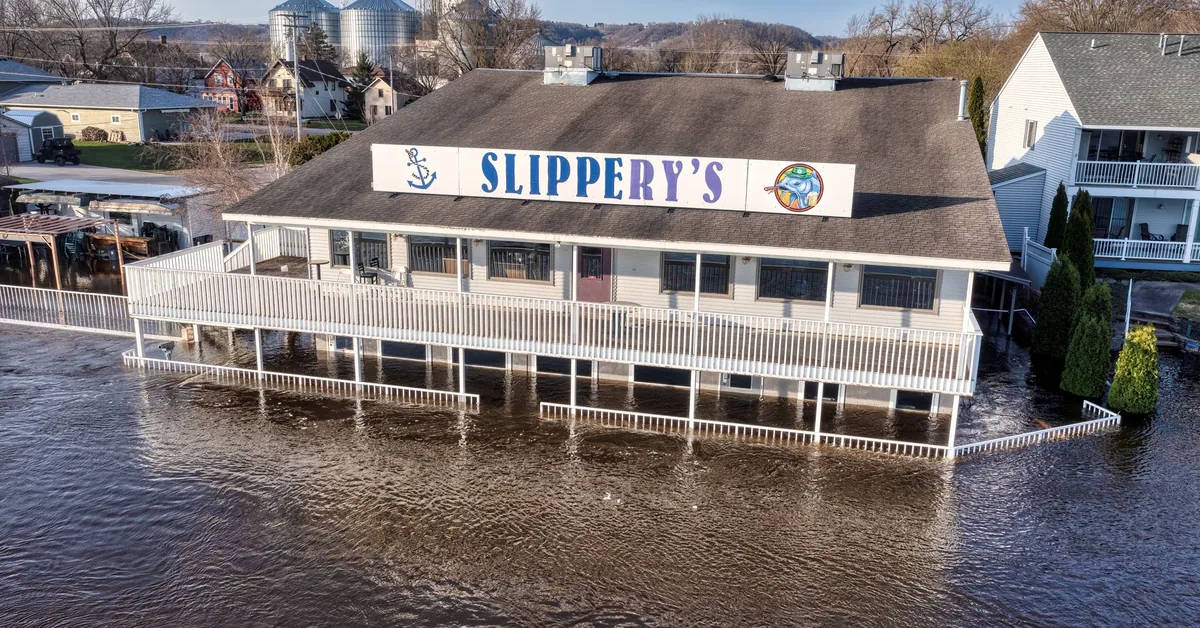
Do I Need Flood Insurance for My Home in the US?
Find out if you need flood insurance for your US home. Learn about NFIP requirements, high-risk zones, and coverage gaps in standard policies.

Flood Insurance for South Florida Homeowners: Weighing Hurricane Season Risks in the US
South Florida homeowners face flood insurance decisions as hurricane season nears. Learn NFIP coverage, costs, and when protection is required.
Federal Flood Insurance Changes Loom for Florida Homeowners as US Hurricane Season Nears
Florida homeowners watch for NFIP flood insurance changes as 2026 hurricane season begins. What reforms could mean for coverage and premiums.
