Federal Flood Insurance Changes Loom for Florida Homeowners as US Hurricane Season Nears
Florida homeowners face potential shifts in federal flood insurance coverage and pricing as Congress considers NFIP reforms ahead of the 2026 Atlantic hurricane season.
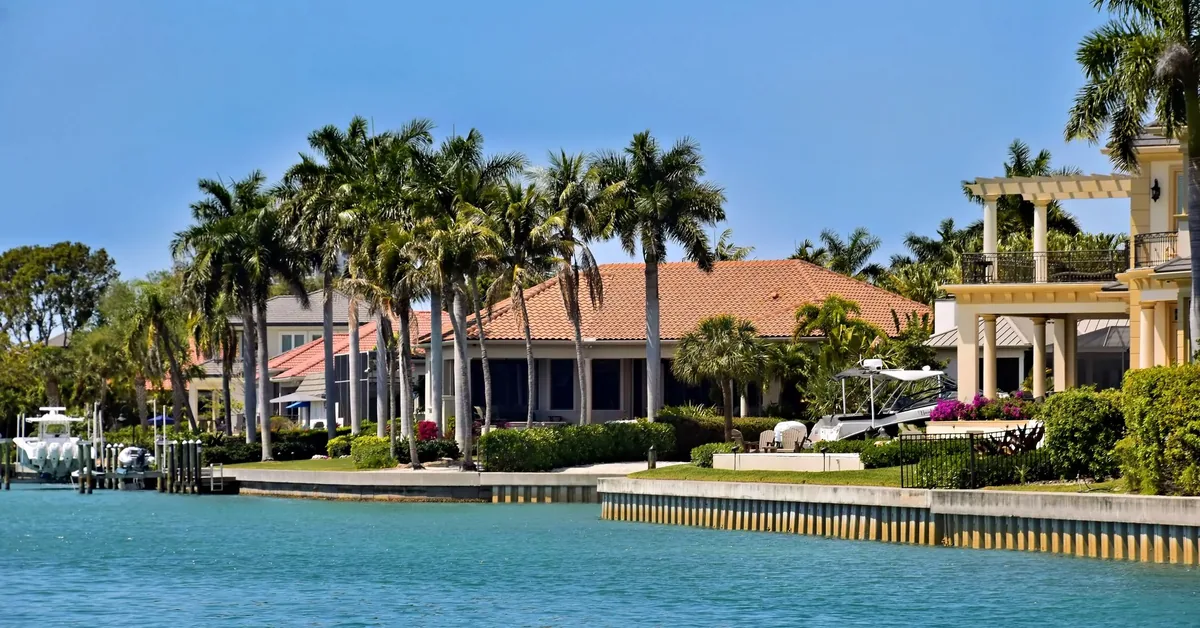
Pexels - Jeffrey Eisen · original
In this article
Key Takeaway
As the 2026 Atlantic hurricane season begins, Florida homeowners are watching closely for potential changes to the National Flood Insurance Program (NFIP), the federal program that provides the majority of flood coverage in high-risk coastal areas. Congressional discussions about NFIP reauthorization and pricing reforms could affect policy availability, premium costs, and coverage terms for millions of Florida property owners in flood-prone zones. While no final changes have been enacted as of June 2026, homeowners should review their current flood coverage, understand their risk, and stay informed about potential policy shifts that could take effect before the next renewal cycle.
What Is Happening with Federal Flood Insurance?
The National Flood Insurance Program, managed by the Federal Emergency Management Agency (FEMA), is the primary source of flood insurance for U.S. homeowners, particularly in high-risk coastal states like Florida (FEMA, 2026). The program has faced ongoing financial challenges due to repeated major hurricane and flood events, and Congress periodically reviews NFIP authorization and reforms.
As hurricane season approaches, several potential changes are under discussion in Washington. These include adjustments to Risk Rating 2.0 (the current pricing methodology that bases premiums on individual property flood risk rather than broad flood zones), possible modifications to coverage limits, and reforms aimed at improving the program’s long-term solvency. Florida, with extensive coastline and high hurricane exposure, has more NFIP policies in force than any other state, making any program changes particularly significant for its homeowners.
Why This Matters for Florida Homeowners
Florida homeowners in Special Flood Hazard Areas (SFHAs, the high-risk zones shown on FEMA flood maps) are typically required by mortgage lenders to carry flood insurance. Even those outside high-risk zones face substantial flood exposure from storm surge, heavy rainfall, and inland flooding during hurricanes.
Potential NFIP changes could affect Florida policyholders in several ways. Premium adjustments under Risk Rating 2.0 may continue, with some properties seeing gradual increases while others experience decreases based on individualized risk factors such as elevation, distance to water, and flood history. Coverage limits, currently capped at $250,000 for building coverage and $100,000 for contents under the NFIP, could be adjusted. Any reforms to program subsidies or grandfathering provisions (which allow some older policies to maintain lower rates) could also shift costs for certain homeowners.
According to the National Association of Insurance Commissioners, understanding your specific flood risk and coverage options is critical, especially in states with significant coastal exposure (NAIC, 2026).
What Should Florida Homeowners Do Now?
While policy changes remain under discussion, Florida homeowners can take several immediate steps. First, review your current flood insurance policy to confirm your coverage amounts, deductible, and renewal date. Policies purchased through the NFIP typically have a 30-day waiting period before coverage begins, so do not wait until a storm is forecast to buy or increase coverage.
Second, understand your property’s flood risk by checking FEMA flood maps and considering factors like elevation, proximity to water bodies, and local drainage. Even properties outside high-risk zones can flood, and roughly 25 percent of NFIP claims come from moderate- to low-risk areas, according to FEMA.
Third, compare options. While the NFIP remains the dominant flood insurer in Florida, private flood insurance has grown in recent years and may offer different coverage limits, pricing, or terms for some properties. Consult a licensed insurance agent familiar with both NFIP and private flood products to evaluate your best option.
Finally, stay informed about NFIP developments through official channels such as FEMA, your state Department of Insurance, and trusted insurance industry sources like the Insurance Information Institute (III, 2026). Any enacted changes will be communicated through these channels well before they take effect.
Conclusion
Federal flood insurance remains essential protection for Florida homeowners, particularly as hurricane season begins. While potential NFIP reforms are under consideration, no final changes have been enacted as of mid-2026. Homeowners should review their current coverage, understand their flood risk, and consult a licensed insurance agent to ensure adequate protection for their property and financial situation. Flood insurance requirements, pricing, and availability vary by property and location; verify current program terms with FEMA, your state Department of Insurance, and a licensed agent before making coverage decisions.
Disclaimer: This article provides general educational information about federal flood insurance and is not personalized insurance, legal, or financial advice. Flood insurance coverage, premiums, and program terms vary by property, location, and individual circumstances. Before purchasing, renewing, or modifying flood insurance, consult a licensed insurance agent and verify current NFIP requirements and private market options for your specific situation. Always confirm regulatory requirements with your state Department of Insurance and review official FEMA resources for the most current program information.
Sources
- FEMA Flood Insurance (accessed )
- NAIC Consumer Information (accessed )
- Insurance Information Institute (accessed )
Related articles

How to Estimate Your NFIP Flood Insurance Premium by Flood Zone in the US
Learn how FEMA flood zones affect your NFIP premium and estimate your annual flood insurance cost with our interactive calculator.
Flood Insurance for South Florida Homeowners: Weighing Hurricane Season Risks in the US
South Florida homeowners face flood insurance decisions as hurricane season nears. Learn NFIP coverage, costs, and when protection is required.

How to Buy Flood Insurance Before Hurricane Season in Houston
Houston homeowners must act now to buy flood insurance before hurricane season. Learn the 30-day waiting period, NFIP coverage, and how to get protected.
