Flood Insurance for South Florida Homeowners: Weighing Hurricane Season Risks in the US
As hurricane season approaches, South Florida homeowners face critical decisions about flood insurance coverage and financial protection.
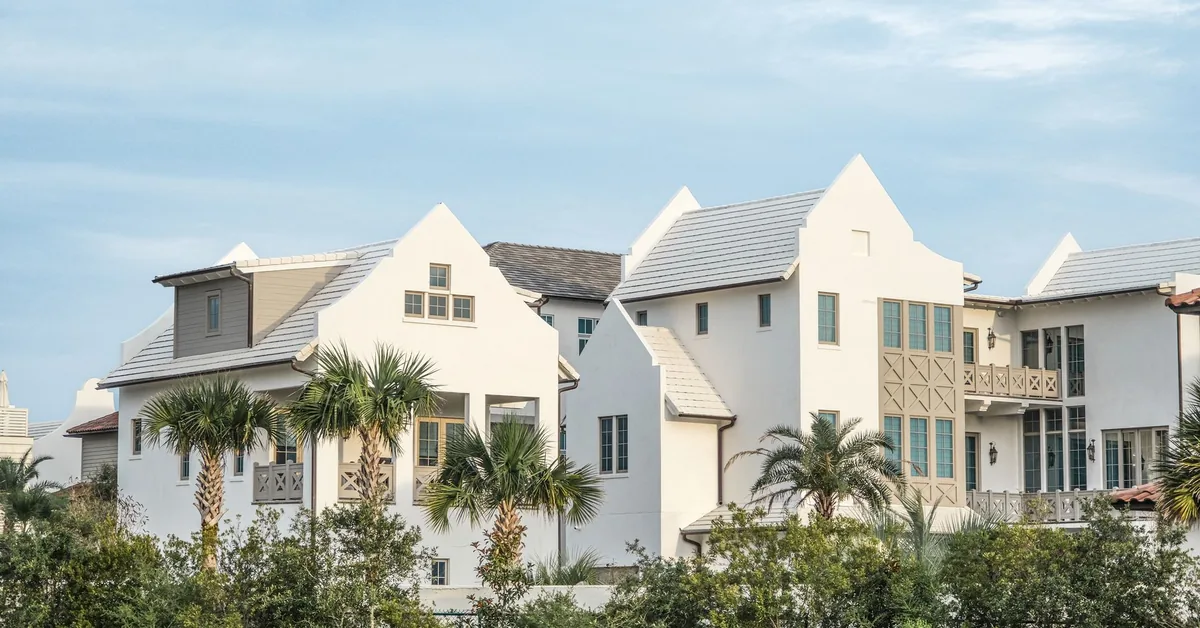
Pexels - Trent Staats · original
In this article
South Florida homeowners should strongly consider flood insurance, especially those in designated flood zones or areas with hurricane exposure. Standard homeowners policies exclude flood damage, and with hurricane season running June through November, coverage takes 30 days to activate after purchase. For properties in high-risk zones with federally backed mortgages, flood insurance is mandatory.
Why South Florida Faces Elevated Flood Risk
South Florida’s geography creates significant vulnerability during hurricane season. Low elevation, proximity to the Atlantic Ocean and Gulf of Mexico, and dense urban development combine to amplify flood risk when tropical storms and hurricanes bring storm surge and heavy rainfall.
According to FEMA, flooding is the most common and costly natural disaster in the United States, and coastal communities face disproportionate exposure (FEMA, 2026). South Florida counties including Miami-Dade, Broward, and Palm Beach consistently rank among the highest-risk flood areas nationally. A single inch of water inside a home can cause tens of thousands of dollars in damage to flooring, drywall, electrical systems, and personal belongings.
What the National Flood Insurance Program Covers
The National Flood Insurance Program (NFIP), administered by FEMA, provides the primary source of flood coverage for US homeowners. Private flood insurance has grown in recent years but NFIP remains the dominant option.
NFIP policies cover two categories:
Building coverage protects the home’s structure, foundation, electrical and plumbing systems, HVAC equipment, built-in appliances, and permanently installed carpeting. Maximum coverage is $250,000 for single-family homes.
Contents coverage protects personal belongings including furniture, clothing, electronics, and portable appliances. This requires separate purchase and covers up to $100,000.
Standard NFIP policies do not cover temporary housing costs, landscaping, decks, patios, fences, swimming pools, or financial losses from business interruption.
Cost Considerations and Flood Zones
Premiums vary significantly based on flood zone designation, elevation, home age, and coverage amount. FEMA flood maps classify properties into zones ranging from high-risk (Special Flood Hazard Areas, zones starting with A or V) to moderate-to-low risk (zones B, C, and X).
Properties in high-risk zones with federally backed mortgages must carry flood insurance as a lending requirement. According to the NAIC, average NFIP premiums for homes in high-risk zones can range from $700 to over $3,000 annually, while moderate-risk properties may pay $400 to $600 (NAIC, 2026).
FEMA’s Risk Rating 2.0 pricing methodology, implemented in recent years, calculates premiums based on individual property characteristics rather than broad zone classifications. This has increased costs for some homeowners while reducing them for others.
Read also: Should You Buy Flood Insurance Before Hurricane Season in Texas?
When Coverage Is Required vs Optional
Flood insurance is mandatory when:
- The property is located in a high-risk flood zone (Special Flood Hazard Area)
- The mortgage is federally backed or from a federally regulated lender
- The community participates in the NFIP
For properties outside high-risk zones or without mortgages, coverage remains optional but advisable. FEMA reports that more than 20 percent of flood insurance claims come from moderate-to-low risk areas. Heavy rainfall alone, even without coastal storm surge, can cause flooding.
The 30-day waiting period between purchase and policy activation means homeowners cannot wait until a named storm approaches. Coverage must be secured well before hurricane season peaks in August and September.
Making the Decision
South Florida homeowners should evaluate several factors:
- Current flood zone designation (check FEMA flood maps)
- Distance from coastline and elevation above sea level
- Property value and replacement cost exposure
- Personal financial ability to absorb a total loss without insurance
- Historical flooding in the neighborhood
For homeowners in designated flood zones, the decision is straightforward: coverage is required by lenders and provides essential financial protection. For those outside high-risk zones, the relatively modest premium for moderate-risk properties (often $400 to $600 annually) provides substantial protection against a low-probability but high-consequence event.
Standard homeowners insurance will not cover flood damage regardless of cause. Without separate flood coverage, homeowners bear the full financial burden of water damage from storms, heavy rain, or storm surge.
Consult a licensed insurance agent familiar with Florida flood risk and NFIP requirements to determine appropriate coverage levels for your specific property and financial situation. Confirm current premium estimates and coverage options before hurricane season begins.
Financial Disclaimer: This article provides general educational information about flood insurance for South Florida homeowners and should not be considered personalized insurance, financial, or legal advice. Flood insurance requirements, premiums, coverage limits, and availability vary by property location, flood zone designation, and individual circumstances. Verify current NFIP rates, state regulations, and coverage requirements with a licensed insurance agent and your mortgage lender before making coverage decisions. Consult appropriate professionals for advice specific to your situation.
Sources
- Flood Insurance (accessed )
- Consumer Information (accessed )
- Insurance Information Institute (accessed )
Related articles
Who Needs Flood Insurance in Florida Before Hurricane Season in the US
Find out who needs flood insurance in Florida before hurricane season, what standard policies exclude, and when to buy coverage.
Why Texas Flood Insurance Cancellations Matter for Homeowners in the US
Texas flood insurance cancellations show why US homeowners should review coverage before hurricane season and compare NFIP options.
Flood Insurance During Hurricane Season in the US: What North Carolina Residents Should Know
Hurricane season is here. North Carolina officials urge residents to consider flood insurance. Standard homeowners policies don't cover floods.
