Why Texas Flood Insurance Cancellations Matter for Homeowners in the US
Rising flood insurance cancellations in Texas are a warning sign for homeowners before hurricane season. The bigger issue is whether households understand the flood gap in standard home insurance.
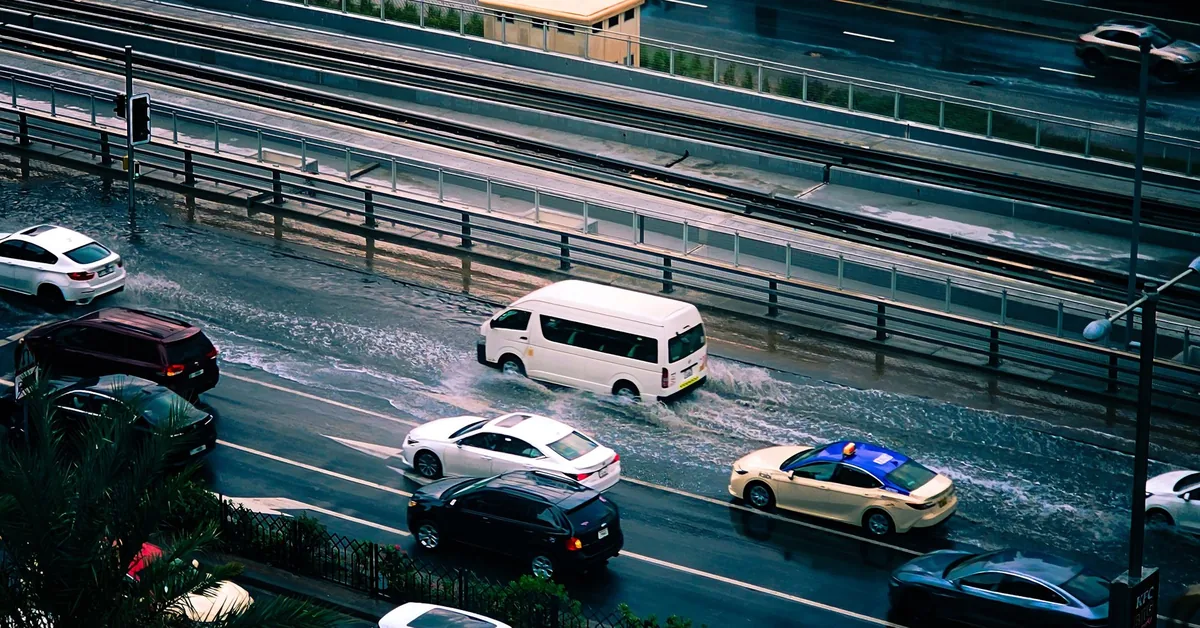
Pexels - M. Omar · original
In this article
Texas flood insurance cancellations are a warning sign for homeowners in the US, especially before hurricane season. Standard homeowners insurance usually does not cover flood damage, so dropping a separate flood policy can leave a household exposed to storm surge, overflowing bayous, flash flooding, and heavy inland rain. If a premium increase makes coverage feel unaffordable, compare options before canceling.
What the Texas cancellation trend means
Recent attention on Texas flood insurance cancellations points to a practical problem: some homeowners are choosing between higher premiums and no flood coverage at all. That decision can be risky because Texas flood damage is not limited to beach houses. Gulf storms, slow-moving tropical systems, poor drainage, river flooding, and intense thunderstorms can damage homes far from the coast.
Flood insurance in the US is commonly bought through the National Flood Insurance Program, known as the NFIP, or through private flood insurers. FEMA describes flood insurance as coverage that helps protect against flood damage, and NFIP policies are sold through participating insurance companies and agents (FEMA, 2026).
The key issue is simple: canceling may reduce the bill today, but it shifts the cost of flood repairs back to the homeowner.
Why homeowners cancel flood insurance
Flood premiums can rise for several reasons, including updated flood risk data, property elevation, rebuilding costs, prior claims in an area, flood zone changes, and broader insurance market pressure. In Texas, the timing matters because hurricane season can bring both coastal storm surge and inland rainfall.
For a homeowner on a tight budget, flood insurance may feel optional if the mortgage lender does not require it. But lender rules are not the same as actual flood risk. A home outside a high-risk FEMA flood zone can still flood.
Floodsmart, the NFIP consumer site, states that most homeowners insurance does not cover flood damage and that flood insurance is specific to flooding (NFIP, 2026). That is the coverage gap homeowners should understand before letting a policy lapse.
What to check before dropping coverage
First, confirm what your homeowners policy excludes. In most cases, outside floodwater entering the home is not covered by a standard homeowners policy. Water damage from a burst pipe is a different insurance issue.
Read also: Flood Insurance for South Florida Homeowners: Weighing Hurricane Season Risks in the US
Second, check your mortgage requirements. If your home is in a Special Flood Hazard Area and you have a federally backed mortgage, flood insurance is often required. If it is not required, you may still want coverage based on your property’s real risk.
Third, compare NFIP and private flood options. Ask about building coverage, contents coverage, deductibles, waiting periods, coverage limits, exclusions, and whether temporary living expenses are included. NFIP and private policies can work differently.
Fourth, look at your emergency fund honestly. A flood can damage flooring, drywall, electrical systems, appliances, cabinets, furniture, and personal belongings. If paying for repairs out of pocket would create serious financial strain, cancellation may not be worth the savings.
What Texas homeowners should do now
If you recently canceled a flood policy or are considering it, get updated quotes before the next major storm threat. Ask a licensed insurance agent to compare NFIP and private flood options, and confirm whether a waiting period applies. Waiting until a storm is approaching may be too late for new coverage.
The NAIC provides consumer insurance resources and directs people to state insurance departments for local help (NAIC, 2026). For Texas homeowners, that means checking state-specific guidance, policy terms, and complaint resources before making a final decision.
Bottom line
Texas flood insurance cancellations are not just a Texas story. They are a reminder that flood coverage is separate, state rules vary, and premium increases should trigger a coverage review instead of an automatic cancellation.
This article is general educational information, not personalized insurance, legal, or financial advice. Coverage terms, premiums, limits, deductibles, and availability vary by state and carrier as of June 2026; verify current terms with a licensed insurance agent, carrier, and your state Department of Insurance before deciding.
Sources
- Flood Insurance (accessed )
- Floodsmart (accessed )
- Consumer Resources (accessed )
Related articles
Flood Insurance Gaps Homeowners Discover During Hurricane Season in the US
Learn the flood insurance gaps US homeowners often discover during hurricane season and estimate coverage needs before a storm.
Federal Flood Insurance Moral Hazards in the US: What Homeowners Should Know
Learn how federal flood insurance creates different moral hazards for US homeowners before and after hurricanes.
Who Needs Flood Insurance in Florida Before Hurricane Season in the US
Find out who needs flood insurance in Florida before hurricane season, what standard policies exclude, and when to buy coverage.
