Who Needs Flood Insurance in Florida Before Hurricane Season in the US
Many Florida residents should consider flood insurance before hurricane season, even outside high-risk flood zones. Standard homeowners and renters policies usually do not cover flood damage.
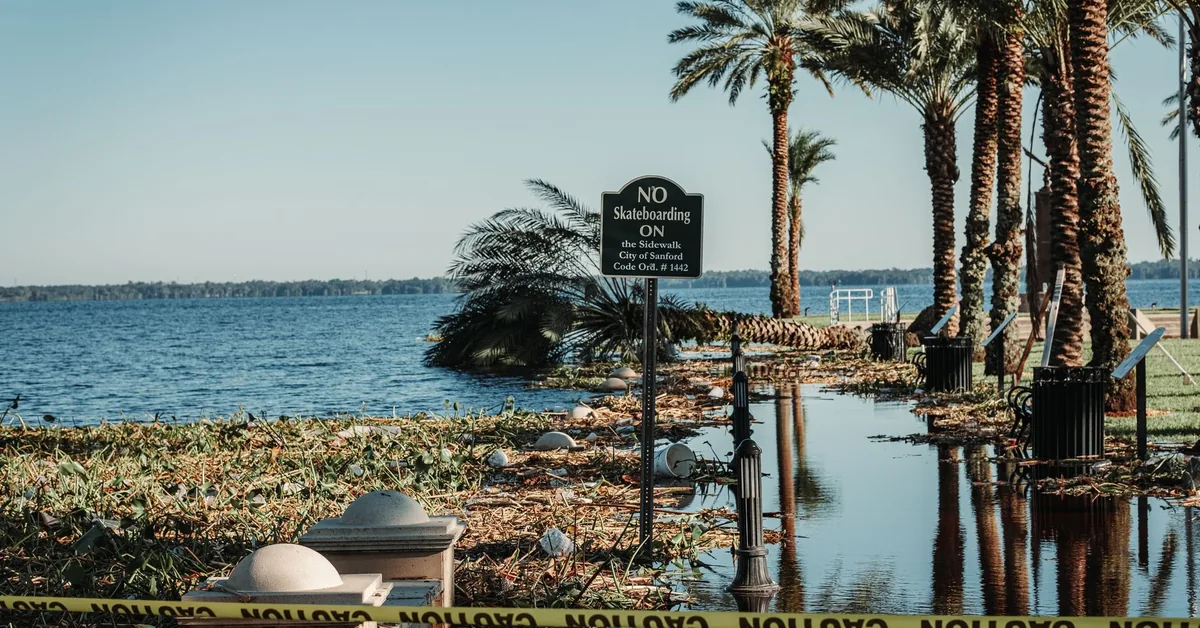
Pexels - Connor Scott McManus · original
In this article
Florida homeowners, condo owners, renters, and landlords should consider flood insurance before hurricane season, especially if the property is near the coast, a canal, a river, low-lying streets, or a neighborhood with drainage problems. It is usually required only when a federally backed mortgage is on a home in a high-risk flood zone, but that rule is not the same as actual risk. Standard homeowners and renters policies generally do not cover flood damage, so waiting until a named storm is near can leave you uninsured because most NFIP policies have a 30-day waiting period.
Who needs it most in Florida?
You are a strong candidate for flood insurance if any of these apply:
- Your lender requires it because the property is in a FEMA Special Flood Hazard Area.
- Your home is in coastal Florida, near tidal water, or exposed to storm surge.
- Your street floods during heavy rain, king tides, tropical storms, or backed-up drainage.
- You own a first-floor condo, townhouse, mobile home, or older slab-on-grade home.
- You rent in an area where floodwater could damage furniture, electronics, clothing, or other belongings.
- You could not comfortably pay out of pocket to repair floors, drywall, cabinets, HVAC equipment, or personal property after several inches of water.
According to FEMA’s National Flood Insurance Program, most homeowners and renters insurance does not cover flood damage, and NFIP policies are available for homeowners, renters, and businesses in participating communities (FEMA/NFIP, 2026). That point matters in Florida because hurricane damage can involve two different causes: wind, which may be handled under a homeowners or windstorm policy, and flooding from storm surge or rising water, which generally needs flood coverage.
Do people outside high-risk zones need it?
Often, yes. A low-risk or moderate-risk flood zone does not mean no-risk. FEMA says flooding can happen anywhere it rains, and nearly one-third of NFIP claims over the past 10 years came from outside high-risk zones (FEMA/NFIP, 2026). In Florida, that includes inland neighborhoods where slow-moving tropical systems dump heavy rain, as well as newer developments where pavement and drainage changes affect runoff.
What does flood insurance cover?
As of June 2026, NFIP residential coverage can include up to $250,000 for the building and up to $100,000 for contents, depending on what you buy and what the property qualifies for. Verify current limits and terms with a licensed agent or carrier before deciding. Private flood insurance may offer different limits, replacement-cost options, shorter waiting periods, or broader terms, but underwriting and availability vary by carrier and address.
Read also: Flood Insurance for South Florida Homeowners: Weighing Hurricane Season Risks in the US
The Insurance Information Institute notes that homeowners should insure separately for hazards such as flood when the standard homeowners policy does not cover that risk (III, 2026). Renters should pay special attention to contents coverage, because the landlord’s policy generally protects the building, not the tenant’s belongings.
When should you buy before hurricane season?
Buy or quote coverage before you think you need it. NFIP coverage usually starts 30 days after purchase, with limited exceptions such as certain mortgage transactions or newly mapped high-risk zones (FEMA/NFIP, 2026). Once a storm is approaching Florida, it may be too late for a new policy to help with that event.
Quick decision rule
If floodwater could enter your home or rental and create a repair bill you could not absorb, get quotes. Check your FEMA flood zone, ask your mortgage servicer whether coverage is required, compare NFIP and private options, and confirm questions with the Florida Department of Financial Services, your state Department of Insurance resources, and a licensed agent. NAIC consumer resources can also help you locate insurance department information and understand complaint options (NAIC, 2026).
This article is general education, not personalized insurance, legal, or financial advice. Florida coverage rules, lender requirements, deductibles, waiting periods, exclusions, and policy availability vary by address and insurer. Review your policy documents and consult a licensed insurance agent, attorney, or tax professional for personal situations.
Sources
- What You Need to Know About Buying Flood Insurance (accessed )
- What Is a Flood? (accessed )
- How Much Homeowners Insurance Do I Need? (accessed )
- Consumer (accessed )
Related articles
Flood Insurance Gaps Homeowners Discover During Hurricane Season in the US
Learn the flood insurance gaps US homeowners often discover during hurricane season and estimate coverage needs before a storm.
Federal Flood Insurance Moral Hazards in the US: What Homeowners Should Know
Learn how federal flood insurance creates different moral hazards for US homeowners before and after hurricanes.
Why Texas Flood Insurance Cancellations Matter for Homeowners in the US
Texas flood insurance cancellations show why US homeowners should review coverage before hurricane season and compare NFIP options.
