Flood Insurance Gaps Homeowners Discover During Hurricane Season in the US
Many homeowners find out too late that standard home insurance does not cover flood damage. Use a flood insurance estimate to see where your hurricane-season protection may be thin.
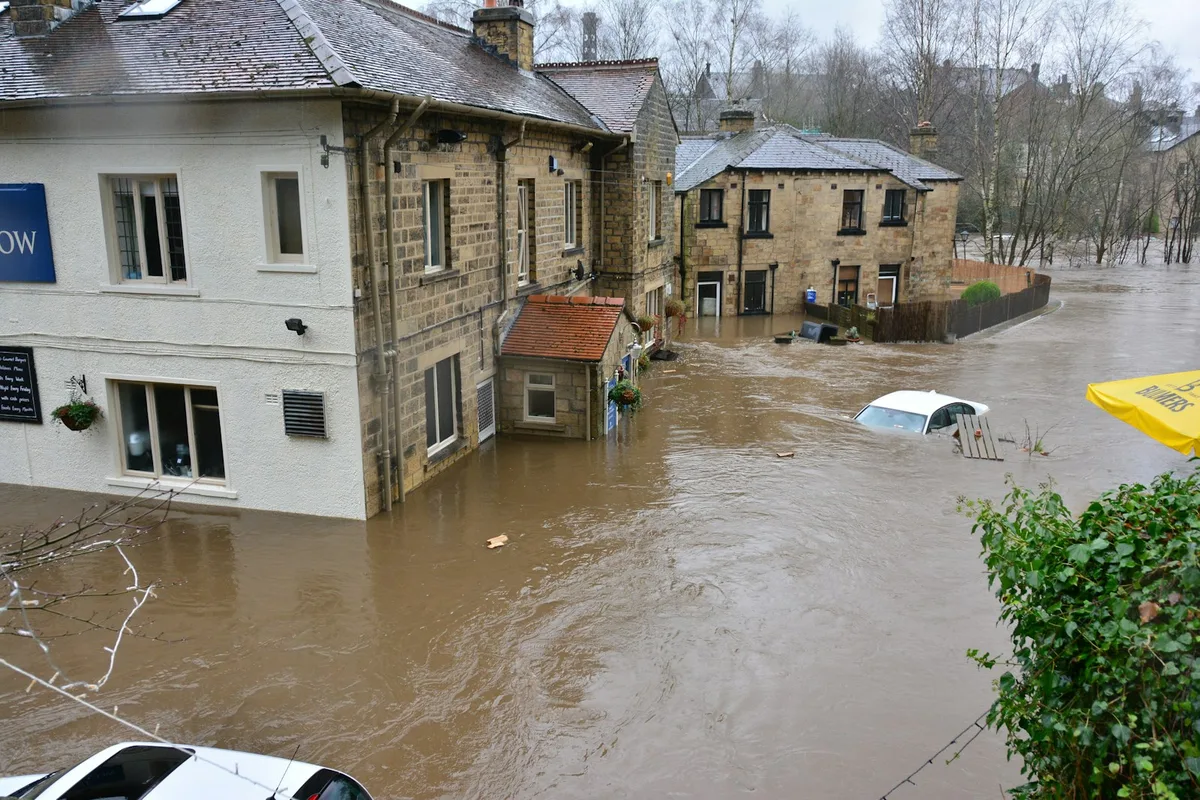
Unsplash - Chris Gallagher · original
Most US homeowners insurance policies do not cover flood damage from storm surge, overflowing water, or hurricane-driven flooding. That gap usually becomes obvious only when a storm is already in the forecast, when it may be too late to buy coverage because many flood policies have waiting periods. A flood insurance calculator helps estimate whether your current protection matches your home, contents, mortgage exposure, and local flood risk.
Hurricane season exposes a simple but expensive misunderstanding: wind damage and flood damage are usually treated as different insurance events. A homeowners policy may respond to wind that tears shingles from a roof, but water that enters from rising rivers, storm surge, or surface flooding generally requires separate flood insurance.
That distinction matters because hurricane claims often involve both wind and water. If floodwater damages floors, drywall, appliances, or personal property, a standard HO-3 homeowners policy may leave the homeowner responsible for much of the loss. FEMA describes flood insurance as separate coverage that helps protect buildings and contents from flood losses (FEMA, 2026).
A flood insurance estimate is useful before hurricane season because it forces three questions into one view: how much it might cost to repair the structure, how much personal property could be exposed, and how much of that loss would be uninsured without a flood policy. The calculator cannot quote a binding premium, but it can help you see the size of the potential gap.
Common gaps include assuming a mortgage escrow includes flood insurance, overlooking contents coverage, choosing a deductible that is hard to pay after a disaster, and carrying limits that do not reflect current rebuilding costs. The Insurance Information Institute notes that homeowners should insure the structure based on rebuilding cost, not the purchase price or market value of the home (III, 2026). That same logic applies when reviewing flood exposure, because repair costs after a regional storm can rise quickly.
Another frequent surprise is location. Being outside a high-risk flood zone does not mean being outside flood risk. Heavy rainfall, blocked drainage, new development, and overwhelmed stormwater systems can cause losses far from the coastline. Lenders may require flood insurance in certain mapped high-risk areas, but homeowners outside those zones can still choose to buy coverage.
Read also: Hurricane Season 2027 Starts June 1: A US Home and Flood Coverage Review Guide
The National Flood Insurance Program is the best-known source of residential flood insurance, but private flood insurance may also be available in some states. Availability, underwriting, limits, and pricing vary. As of July 2026, homeowners should verify current terms with an NFIP provider, private carrier, licensed agent, or state Department of Insurance before deciding.
Use the estimate as a planning tool, then compare it with your declarations page. Look at dwelling coverage, personal property coverage, deductibles, exclusions, waiting periods, and whether additional living expenses are included or excluded. The NAIC consumer resources can also help homeowners find state insurance department information and understand policy questions (NAIC, 2026).
Flood insurance is not just for coastal homes. It is a financial backstop for a specific kind of water loss that many homeowners policies exclude. Before the next hurricane watch appears, estimate the gap, confirm your options, and discuss the results with a licensed insurance agent.
This article is general education, not personalized insurance, legal, or financial advice. Coverage rules, policy forms, deductibles, and availability vary by state and carrier. Confirm your situation with your state Department of Insurance and a licensed insurance professional before making coverage decisions.
Sources
- Flood Insurance (accessed )
- How Much Homeowners Insurance Do I Need? (accessed )
- Consumer Insurance Resources (accessed )
Related articles

Hurricane Season 2027 Starts June 1: A US Home and Flood Coverage Review Guide
Prepare for June 1, 2027 hurricane season with a US home and flood insurance review covering NFIP, wind, deductibles, and claims.
Federal Flood Insurance Moral Hazards in the US: What Homeowners Should Know
Learn how federal flood insurance creates different moral hazards for US homeowners before and after hurricanes.
Who Needs Flood Insurance in Florida Before Hurricane Season in the US
Find out who needs flood insurance in Florida before hurricane season, what standard policies exclude, and when to buy coverage.
