Hurricane Season 2027 Starts June 1: A US Home and Flood Coverage Review Guide
Hurricane season is the right time to review homeowners, flood, wind, and evacuation coverage before a storm is named. This guide explains what US households should check before June 1, 2027.

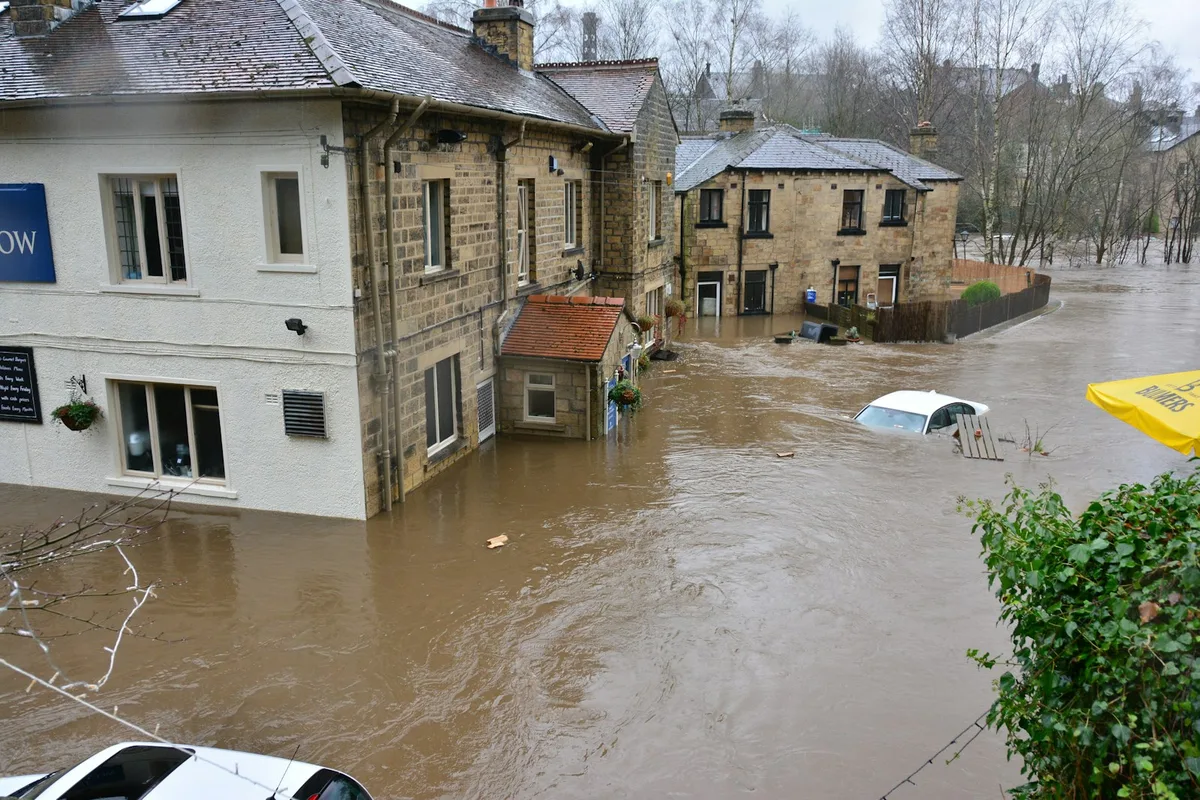
Pexels - Johannes Plenio · original
In this article
Hurricane season 2027 starts on June 1, 2027, and US homeowners should review home, flood, wind, and evacuation coverage before that date. A standard homeowners policy may cover wind damage, but it usually does not cover flood damage from storm surge, surface water, or heavy rain entering from the ground. Flood insurance, windstorm deductibles, temporary living expenses, roof settlement rules, and claim documentation are the core items to check before the season begins.
The Atlantic hurricane season normally runs from June 1 through November 30, with activity historically peaking in late summer and early fall, according to the National Hurricane Center (NHC, 2026). Do not wait for a named storm to review coverage. Once a storm is approaching, insurers may pause new policies or coverage changes, and flood insurance waiting periods can leave you exposed.
What You Will Learn
This guide explains how to review your US home and flood coverage before hurricane season 2027. You will learn how to check your homeowners policy, decide whether flood insurance is needed, understand hurricane and windstorm deductibles, document your property, and prepare for a smoother claim if a storm damages your home.
Because insurance rules vary by state, confirm your requirements with your state Department of Insurance and a licensed insurance agent. This article is general education, not personalized insurance, legal, tax, or financial advice.
1. Confirm What Your Homeowners Policy Covers for Hurricane Damage
Start with the declarations page of your homeowners policy. This page lists the insured address, policy period, dwelling limit, deductible, endorsements, and major exclusions. For hurricane planning, focus on four areas: dwelling coverage, other structures, personal property, and loss of use.
Dwelling coverage pays to repair or rebuild the structure of the home after a covered loss. The Insurance Information Institute recommends carrying enough homeowners insurance to rebuild the home, replace belongings, cover liability exposure, and pay additional living expenses when needed (III, 2026). For hurricane season, the key question is whether your dwelling limit reflects current rebuilding costs, not what you paid for the house.
Other structures coverage may apply to detached garages, sheds, fences, docks, or guesthouses. Personal property coverage applies to belongings, but special limits may apply to jewelry, electronics, collectibles, tools, firearms, and business property. Loss of use coverage, also called additional living expenses, can help pay for hotel stays, meals, laundry, and other extra costs if your home becomes uninhabitable because of covered damage.
A standard homeowners policy commonly covers wind damage, subject to policy terms, deductibles, and exclusions. It does not mean every hurricane-related loss is covered. If wind tears shingles off and rain enters through the opening, that may be handled differently from floodwater entering through doors, foundation vents, or ground-level openings. Read the exclusions section carefully, especially for flood, surface water, mold, wear and tear, roof age, and ordinance or law limitations.
2. Separate Wind Damage From Flood Damage
The most important hurricane insurance distinction is wind versus flood. Wind damage is usually handled through homeowners insurance or a separate windstorm policy, depending on your state and carrier. Flood damage usually requires a separate flood insurance policy.
FEMA explains that flood insurance is designed to help cover flood damage, and homeowners, renters, and business owners can buy coverage through the National Flood Insurance Program or the private flood market (FEMA, 2026). In hurricane claims, flood damage can include storm surge, overflowing rivers or canals, rainfall accumulation, and water moving across normally dry land.
This distinction matters because the same storm can create two claims. For example, if hurricane winds break a window and rain damages flooring, the homeowners policy may respond if the loss meets the policy terms. If storm surge later fills the first floor with water, flood insurance is generally the policy designed for that part of the damage.
Ask your agent these direct questions:
- Does my homeowners policy cover wind from hurricanes?
- Do I have a separate windstorm, named-storm, or hurricane deductible?
- Do I have flood insurance through NFIP or a private flood carrier?
- Are storm surge and surface water excluded from my homeowners policy?
- If wind and flood both damage the home, how should the claim be documented?
Do not rely on being outside a high-risk flood zone. Flood risk is not limited to mapped high-risk areas, and hurricanes can push water well beyond the coastline. Lenders may require flood insurance in certain flood zones, but the absence of a lender requirement is not the same as the absence of risk.
3. Review Flood Insurance Before Waiting Periods Matter
Flood insurance is not something to buy the day before a storm. NFIP policies generally have a waiting period before coverage takes effect, with limited exceptions. Private flood insurers may also use waiting periods, underwriting reviews, or storm restrictions.
Review your flood policy before spring 2027 if possible. If you do not have flood insurance, ask for quotes from both NFIP and private flood options where available. NFIP coverage has standardized rules and limits, while private flood policies may offer different limits, replacement-cost options, temporary living expense coverage, or broader property coverage. Availability and pricing vary by address, elevation, flood history, building characteristics, and state insurance rules.
For homeowners, look at building coverage and contents coverage separately. Building coverage protects the structure. Contents coverage protects personal property. Renters usually do not need building coverage, but they may need contents coverage if they live in a flood-prone apartment or house.
Ask whether your flood policy covers:
- Foundation walls, electrical systems, plumbing, HVAC, and built-in appliances.
- Flooring, cabinets, and finished walls.
- Personal property in the living area.
- Property in basements, crawl spaces, garages, or enclosures.
- Debris removal and cleanup.
- Temporary housing or loss of use, if offered by the insurer.
As of June 2026, verify all flood policy terms with the NFIP, a private flood insurer, or a licensed agent before deciding. Flood forms, premiums, maps, and private-market options can change.
4. Check Hurricane, Windstorm, and Named-Storm Deductibles
Many homeowners know their standard deductible, such as $1,000 or $2,500, but hurricane-prone states often use separate percentage deductibles for wind, named storms, or hurricanes. A 2 percent deductible on a home insured for $500,000 means the homeowner pays the first $10,000 of covered damage before insurance pays.
The wording matters. A “windstorm deductible” may apply to wind damage more broadly. A “named-storm deductible” may apply once a storm is named by a weather authority. A “hurricane deductible” may apply under state-specific triggers, sometimes based on official hurricane warnings or sustained hurricane conditions.
Review these details on your declarations page and endorsement pages:
- The percentage or dollar amount of each deductible.
- The event that triggers the deductible.
- Whether the deductible applies per claim, per storm, or per policy period.
- Whether roof damage has a separate deductible or settlement rule.
- Whether cosmetic roof damage, matching siding, or ordinance upgrades are limited.
Build a cash plan around the largest deductible, not the smallest. If your hurricane deductible is $8,000, your emergency fund and credit access should account for that. Insurance can be valuable, but it is not designed to eliminate every out-of-pocket cost.
5. Update Replacement Cost and Personal Property Limits
Construction costs, labor shortages, code upgrades, and debris removal can make rebuilding more expensive than expected. Market value and replacement cost are not the same. Market value reflects what a buyer might pay for the home and land. Replacement cost estimates what it would cost to rebuild the structure with similar materials and labor.
Ask your agent or insurer to rerun the replacement-cost estimator before hurricane season 2027. Mention major upgrades, finished rooms, additions, new roofing, solar panels, detached structures, custom materials, and high-end kitchens or bathrooms. If you have not updated the policy in years, your dwelling limit may lag behind actual rebuilding costs.
Also review whether the policy includes extended replacement cost or guaranteed replacement cost. Extended replacement cost may provide an extra percentage above the dwelling limit if rebuilding costs exceed the stated limit. Guaranteed replacement cost, when available, may provide broader protection, subject to strict policy conditions. These options are not available everywhere and can differ sharply by insurer.
For personal property, check whether you have replacement cost or actual cash value. Replacement cost can pay based on the cost to replace covered belongings with new items, subject to policy terms. Actual cash value generally subtracts depreciation. That difference can be significant after a major hurricane loss.
6. Build a Home Inventory Before the Season Starts
A home inventory is one of the most useful claim tools you can create. It does not need to be complicated. Walk through each room and record video showing furniture, appliances, electronics, closets, cabinets, tools, outdoor equipment, and valuable items. Narrate the video with brands, model numbers, approximate purchase dates, and any high-value details.
Save receipts, appraisals, serial numbers, contractor invoices, roof permits, and photos of renovations. Store copies in cloud storage and with a trusted person outside your area. If a hurricane damages your home and your phone or computer is lost, local-only files may be unavailable when you need them most.
For higher-value items, ask whether you need a scheduled personal property endorsement. Standard homeowners policies often have special limits for certain categories. If you own jewelry, fine art, musical instruments, camera equipment, collectibles, or expensive tools, the base policy may not be enough.
7. Review Evacuation, Temporary Housing, and Auto Exposure
Home coverage is only part of hurricane readiness. Loss of use coverage can matter if civil authorities restrict access or if covered damage makes the home unsafe. Read the policy language, because coverage may depend on whether there is direct physical damage, a covered cause of loss, or a specific civil authority trigger.
If you evacuate, keep receipts for lodging, meals, fuel, pet boarding, laundry, tolls, and other extra costs. Do not assume every evacuation cost is reimbursable. The cause of evacuation and policy wording matter.
Also check auto insurance. Hurricane flooding can destroy vehicles, and comprehensive auto coverage is typically the portion of an auto policy that responds to flood, falling objects, theft, and some weather-related losses. The Insurance Information Institute explains that comprehensive coverage is optional unless required by a lender or lessor, and it is separate from collision and liability coverage (III, 2026). If your car only has liability coverage, flood damage to your own vehicle generally is not covered.
8. Know How to Start a Claim After a Hurricane
Before the season starts, save claim phone numbers, mobile app logins, policy numbers, and your agent’s contact information. After a storm, document damage before cleanup when it is safe to do so. Take wide photos, close photos, video, and notes. Keep damaged materials if the insurer needs to inspect them, unless doing so is unsafe or prohibited by local officials.
Protect the property from further damage if you can do so safely. This may include tarping a roof, boarding an opening, or moving undamaged belongings away from water. Keep receipts for emergency repairs and temporary materials. Do not begin major permanent repairs until you understand inspection requirements and claim procedures.
For flood claims, follow the insurer’s proof-of-loss process and deadlines. For homeowners claims, ask whether a field adjuster, desk adjuster, engineer, or contractor estimate will be involved. If you disagree with the estimate, use the policy’s dispute process and consider help from a licensed public adjuster or attorney where appropriate.
The National Association of Insurance Commissioners provides consumer resources that can help policyholders find state insurance department contacts and understand insurance questions (NAIC, 2026). Your state Department of Insurance can explain complaint procedures, licensing issues, and state-specific claim rules.
Practical Tips Before June 1, 2027
Put policy review on your calendar for March or April 2027, not late May. That gives you time to quote flood coverage, change limits, ask underwriting questions, and gather documents before the season begins.
Keep digital and paper copies of key documents. Include homeowners, flood, windstorm, auto, umbrella liability, mortgage, lease, and HOA documents. If your community has a master flood or wind policy, ask for the certificate and understand what it does and does not cover for your unit.
Photograph the exterior of the home before the season. Capture the roof, gutters, windows, doors, siding, fencing, garage doors, HVAC equipment, and drainage areas. After a storm, pre-loss photos can help show what changed.
Trim trees, clear gutters, test sump pumps, review generator safety, and secure outdoor furniture before storms form. Insurance is financial protection, not a substitute for property maintenance. Damage from neglect, deterioration, or preventable maintenance problems may create claim disputes.
Common Mistakes to Avoid
The biggest mistake is assuming homeowners insurance covers all hurricane damage. Flood damage usually needs separate coverage. Storm surge is not just “rain damage” because it came from a hurricane.
Another mistake is buying flood insurance too late. Waiting periods and underwriting restrictions can make last-minute coverage ineffective.
Many households also ignore percentage deductibles. A 1 percent, 2 percent, or 5 percent wind deductible can be much larger than the standard deductible shown near the top of the declarations page.
Do not underinsure contents. Replacing furniture, clothing, kitchenware, electronics, mattresses, and tools after a flood or wind loss can cost more than expected.
Finally, do not skip documentation. After a regional catastrophe, adjusters may be handling heavy claim volume. Clear photos, inventories, receipts, and organized notes can make your claim easier to support.
Frequently Asked Questions
Does homeowners insurance cover hurricane damage in the US?
It may cover some hurricane damage, especially wind damage, but coverage depends on the policy, state, insurer, deductibles, and exclusions. Flood damage from storm surge, overflowing water, or surface water is usually excluded from standard homeowners policies and usually requires separate flood insurance.
Do I need flood insurance if my lender does not require it?
Maybe. Lender requirements are based on mortgage and flood-zone rules, not your full personal risk. Hurricanes can flood homes outside high-risk zones. Consider flood insurance if your home could be affected by storm surge, heavy rainfall, drainage failure, overflowing streams, or low elevation.
Is NFIP flood insurance better than private flood insurance?
Neither is automatically better. NFIP policies offer standardized federal flood coverage, while private flood policies may offer different limits, pricing, loss-of-use options, or underwriting rules. Compare both if available in your state, and verify current terms with a licensed agent or insurer before deciding.
What should I do if my roof is older?
Ask your insurer how roof age affects coverage. Some insurers use actual cash value for older roofs, exclude cosmetic damage, require inspections, or limit certain roof materials. If you replace the roof before hurricane season, send documentation to your insurer because it may affect underwriting or discounts.
Can I change coverage after a storm is named?
You may not be able to. Insurers can restrict new policies or coverage changes when a storm is approaching. Flood policies may also have waiting periods. Review coverage well before June 1, 2027.
Conclusion
Hurricane season 2027 begins on June 1, 2027, but the insurance work should start months earlier. Review homeowners, flood, windstorm, auto, and temporary living expense coverage while you still have time to change limits, add policies, document belongings, and understand deductibles.
Use this guide as a starting point, then confirm your policy terms with your insurer, a licensed insurance agent, and your state Department of Insurance. Insurance decisions are personal and state-specific, and this article is educational only, not individualized insurance, legal, tax, or financial advice.
Sources
- Flood Insurance (accessed )
- How Much Homeowners Insurance Do I Need? (accessed )
- What Is Covered by a Basic Auto Insurance Policy (accessed )
- Consumer Resources (accessed )
- Tropical Cyclone Climatology (accessed )
Related articles
Flood Insurance Gaps Homeowners Discover During Hurricane Season in the US
Learn the flood insurance gaps US homeowners often discover during hurricane season and estimate coverage needs before a storm.
What Flood Insurance Covers in the US and Why Your Home Policy May Not
Standard homeowners insurance excludes flood damage. Learn what federal flood insurance covers in the US and why you need separate protection.

Federal Flood Insurance Moral Hazards in the US: What Homeowners Should Know
Learn how federal flood insurance creates different moral hazards for US homeowners before and after hurricanes.
