Flood Insurance During Hurricane Season in the US: What North Carolina Residents Should Know
Hurricane season brings heightened flood risk to North Carolina. Learn why standard homeowners insurance won't cover flood damage and how to protect your property.
Pexels - Aviz Media · original
In this article
Key Takeaway: Standard homeowners insurance does not cover flood damage. With hurricane season active through November 30, North Carolina residents in flood-prone areas should act now, as National Flood Insurance Program (NFIP) policies typically have a 30-day waiting period before coverage begins. Coastal and low-lying areas face the highest risk, but flooding can happen anywhere when heavy rainfall overwhelms drainage systems.
Why Hurricane Season Raises Flood Risk
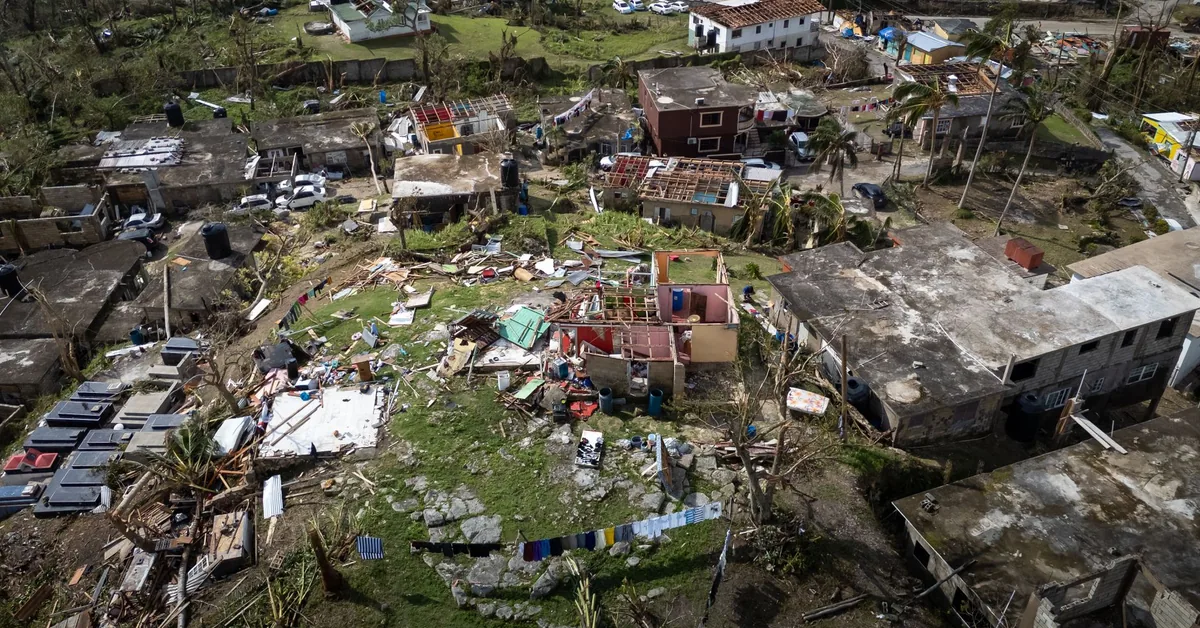
The Atlantic hurricane season runs from June 1 through November 30 each year, with peak activity typically occurring from August through October. North Carolina’s coastline and eastern regions face significant exposure to tropical storms and hurricanes, which bring storm surge, heavy rainfall, and inland flooding. Even areas far from the coast can experience severe flooding when hurricanes move inland and dump excessive rainfall over river basins and low-lying terrain.
According to FEMA, just one inch of floodwater can cause up to $25,000 in damage to a home (FEMA, 2024). Standard homeowners and renters insurance policies explicitly exclude flood damage, leaving property owners financially vulnerable unless they carry separate flood insurance.
What Flood Insurance Covers
Flood insurance through the National Flood Insurance Program (NFIP) provides two types of coverage:
Building coverage pays for physical damage to your home’s structure, including the foundation, electrical and plumbing systems, HVAC equipment, built-in appliances, and permanently installed flooring and cabinets. Coverage limits reach up to $250,000 for residential structures.
Contents coverage protects personal belongings such as furniture, clothing, electronics, and portable appliances. This coverage is purchased separately and offers up to $100,000 in limits. Renters can purchase contents-only policies to protect their personal property.
Flood insurance does not cover temporary living expenses, landscaping, swimming pools, or vehicles. Basement coverage is limited to structural elements and essential equipment only.
Who Should Consider Flood Insurance in North Carolina
North Carolina officials particularly urge coverage for residents in these situations:
- Coastal counties and barrier islands: Properties near the Atlantic Ocean face storm surge and coastal flooding during hurricanes.
- FEMA-designated Special Flood Hazard Areas (100-year floodplains): Homeowners with federally backed mortgages in these zones are required to carry flood insurance.
- River and creek proximity: Properties near waterways risk overflow during heavy rainfall events.
- Low-lying areas and poor drainage zones: Even areas outside mapped floodplains can flood when storms overwhelm local drainage infrastructure.
According to the Insurance Information Institute, approximately 25 percent of flood insurance claims come from properties outside high-risk flood zones (III, 2024). Past flooding in your area is not required for future risk.
Read also: Flood Insurance for South Florida Homeowners: Weighing Hurricane Season Risks in the US
How to Get Coverage and Critical Timing
Most flood insurance policies in the United States are issued through the NFIP, a federal program managed by FEMA. Private flood insurance is also available from some carriers and may offer higher coverage limits or additional options.
The 30-day waiting period is critical: NFIP policies typically do not take effect until 30 days after purchase. If a named storm is already approaching, purchasing coverage that day will not protect you for that event. Act before a hurricane threatens your area.
To purchase flood insurance:
- Contact your current homeowners insurance agent. Most agents can write NFIP policies or refer you to a participating carrier.
- Determine your flood zone by entering your address at FEMA’s Flood Map Service Center.
- Request quotes for both building and contents coverage based on your property value and belongings.
- Complete the application and pay the premium to start the waiting period.
Premiums vary based on your property’s flood zone, elevation, construction type, and coverage amount. Properties in high-risk zones pay higher premiums than those in low-to-moderate risk areas.
Next Steps
With hurricane season underway, North Carolina property owners should review their insurance coverage now. Contact a licensed insurance agent to discuss flood insurance options and determine whether your property location, construction, and mortgage requirements make coverage necessary. Confirm your flood zone designation and understand your risk level before the next storm forms.
Financial Disclaimer: This article provides general educational information about flood insurance and does not constitute personalized insurance, financial, or legal advice. Coverage requirements, premiums, and availability vary by property location, construction, and individual circumstances. Consult with a licensed insurance agent in North Carolina for coverage recommendations specific to your situation. Verify current program rules and waiting periods with the National Flood Insurance Program or your insurance carrier before purchasing coverage.
Sources
- Flood Insurance (accessed )
- Insurance Information Institute (accessed )
- Consumer Information (accessed )
Related articles
Flood Insurance for South Florida Homeowners: Weighing Hurricane Season Risks in the US
South Florida homeowners face flood insurance decisions as hurricane season nears. Learn NFIP coverage, costs, and when protection is required.
7 Flood Insurance Gaps Homeowners Discover During Hurricane Season in the US
Discover the 7 critical flood insurance gaps US homeowners find during hurricane season, from NFIP limits to basement exclusions.
What Flood Insurance Covers in the US and Why Your Home Policy May Not
Standard homeowners insurance excludes flood damage. Learn what federal flood insurance covers in the US and why you need separate protection.
