Federal Flood Insurance Moral Hazards in the US: What Homeowners Should Know
Federal flood insurance can reduce financial shock after a hurricane, but it can also create uneven incentives. The biggest risk for you depends on whether you can afford to rebuild, relocate, or absorb uncovered losses.
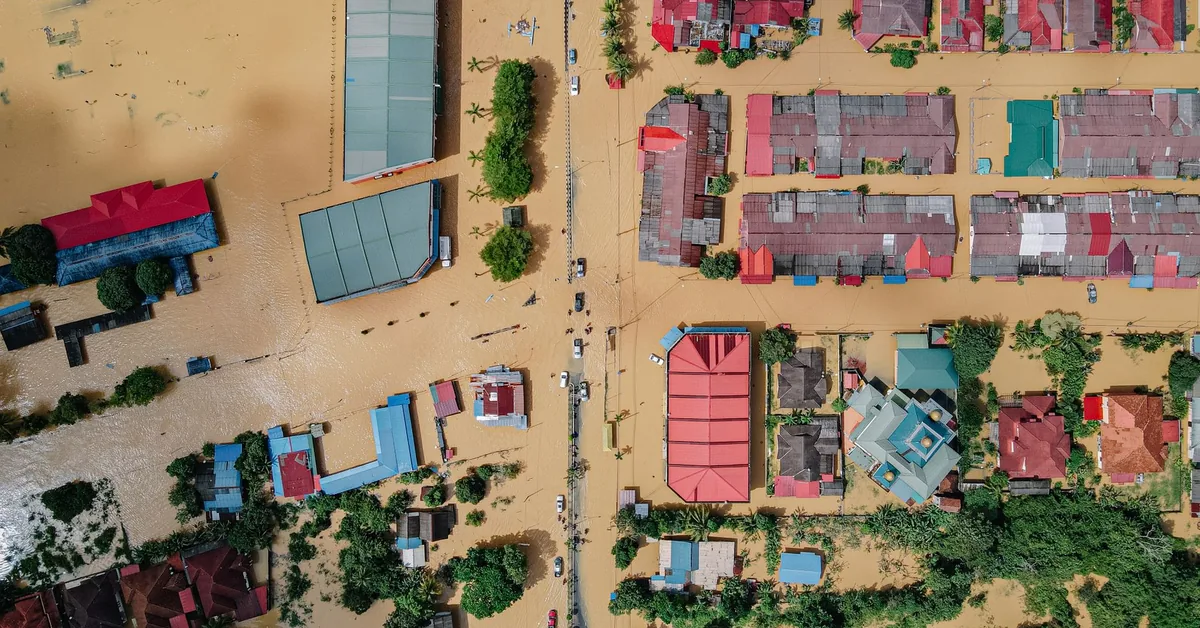
Pexels - Pok Rie · original
In this article
Federal flood insurance in the US can create two different moral hazards. For wealthier households, subsidized or widely available coverage may make it easier to keep owning or rebuilding in flood-prone areas. For lower-wealth households, the hazard is almost the opposite: limited savings, underinsurance, and dependence on disaster aid can leave families exposed even when flood risk is known.
This does not mean flood insurance is bad. It means homeowners should understand what the National Flood Insurance Program (NFIP) does, what it does not do, and how personal finances change the incentives around hurricane risk.
What “moral hazard” means in flood insurance
In insurance, moral hazard means coverage can change behavior after the risk is partly shifted away from the person making the decision. A homeowner who knows flood losses may be covered could be less motivated to avoid a risky location, elevate a structure, or invest in flood mitigation.
Flood insurance is more complicated than that simple definition. Most homeowners cannot easily move, many inherited flood risk through past zoning and development decisions, and many households cannot afford major mitigation. The moral hazard is not just “people take more risk because they are insured.” It is also that the flood insurance system can push different people toward different, unequal choices.
According to FEMA, the NFIP helps property owners, renters, and businesses recover from flood damage and is available in participating communities (FEMA, 2026). That public role matters because standard homeowners insurance generally does not cover flood damage. A separate flood policy, usually NFIP or private flood insurance, is the main coverage tool.
Moral hazard 1: rebuilding in risky places
The first moral hazard applies most clearly to households with enough income, equity, or access to credit to remain in high-risk areas. If federal flood insurance is available, the homeowner may be more willing to buy, keep, or rebuild a coastal or river-adjacent property that would otherwise look financially too risky.
That incentive can show up in several ways:
- A buyer treats the flood insurance premium as just another cost of owning a waterfront or low-lying home.
- A homeowner rebuilds after a major loss instead of relocating.
- A community continues approving development in places where repeated flooding is likely.
- A property owner underweights the possibility that premiums, deductibles, or coverage rules may change.
This is not always irrational. A family may have work, school, relatives, or deep community ties in the area. But from a risk perspective, insurance can soften the signal that the location itself is dangerous.
The Insurance Information Institute emphasizes that homeowners should align coverage with rebuilding costs and policy limitations, not just mortgage requirements (III, 2026). That principle applies strongly in flood zones. If the home is expensive to rebuild, flood coverage should be evaluated alongside elevation, drainage, emergency savings, and the realistic cost of temporary housing.
Moral hazard 2: being forced to stay exposed
The second moral hazard affects households with fewer resources. These homeowners and renters may know they face flood risk, but they may not have the money to relocate, raise a home, replace mechanical systems, or buy enough coverage.
This is a different kind of distorted incentive. The household is not choosing extra risk because insurance makes it comfortable. Instead, the household may be trapped between unaffordable premiums, limited disaster savings, and housing options that are also exposed to climate and storm risk.
A lower-income homeowner may face questions like these:
Read also: Who Needs Flood Insurance in Florida Before Hurricane Season in the US
- Do I pay for flood insurance, or do I keep cash available for utilities, repairs, and food?
- If I cannot afford mitigation, is coverage still enough to recover?
- If I sell, can I buy or rent anywhere safer nearby?
- If I wait for federal disaster aid, will it arrive soon enough or cover enough?
Disaster assistance is not a substitute for insurance. FEMA explains that flood insurance is designed to help policyholders recover from flood damage, while disaster assistance after a federally declared disaster may be limited, delayed, or unavailable for some losses (FEMA, 2026). Relying on aid can leave families with gaps in repairs, contents replacement, and temporary living costs.
Why wealth changes the risk you face
Wealth changes the flood insurance moral hazard because it changes the choices available before and after a storm.
A wealthier homeowner may be able to absorb higher premiums, hire contractors quickly, pay deductibles, build above minimum code, or carry both NFIP and private excess flood coverage. That can make staying in a risky area feel manageable, even if the underlying hazard is rising.
A lower-wealth household may be more likely to have a high deductible relative to savings, less complete contents coverage, older housing, deferred maintenance, or fewer safe places to relocate. Even when flood insurance is technically available, the full recovery path may not be.
State insurance regulators are a key checkpoint because insurance rules, admitted private flood options, complaint processes, and consumer protections vary by state. The NAIC provides consumer resources and links to state insurance departments, which can help residents verify licensed insurers and understand complaint options (NAIC, 2026).
How to think about your own flood risk
Start with location, not price. A low premium does not mean low risk, and an expensive premium is not the only cost of living in a flood-prone area. Look at FEMA flood maps, local storm history, drainage, elevation, mortgage requirements, and whether the property has flooded before.
Then compare the policy to your actual recovery needs. Ask what is covered, what is excluded, how the deductible works, whether contents are covered, and how quickly you could pay for temporary housing. If you own a high-value home, ask whether NFIP limits are enough or whether private flood insurance or excess flood coverage is available. As of June 2026, verify current terms with a licensed agent or carrier before deciding.
Renters should not ignore flood risk. A landlord’s property policy does not cover a tenant’s belongings. Renters in flood-prone areas may need contents flood coverage in addition to renters insurance, because standard renters insurance usually excludes flood damage.
The practical takeaway for hurricane season
Federal flood insurance can be a useful recovery tool, but it does not remove the physical risk. It can make rebuilding in a risky place easier for households with assets, while leaving households with fewer resources exposed to underinsurance and slow recovery.
Before the next storm, review your flood risk, policy limits, deductible, contents coverage, and cash reserve. Confirm requirements with your state Department of Insurance and a licensed insurance agent, especially if you are buying near the coast, renewing a mortgage, or deciding whether to rebuild after a flood.
This article is general educational information, not personalized insurance, legal, tax, or financial advice. Coverage availability, premiums, rules, and minimum requirements vary by state and by property. Consult a licensed insurance professional, and when appropriate an attorney or tax professional, before making decisions for your situation.
Sources
- Flood Insurance (accessed )
- Consumer Resources (accessed )
- How Much Homeowners Insurance Do I Need? (accessed )
Related articles
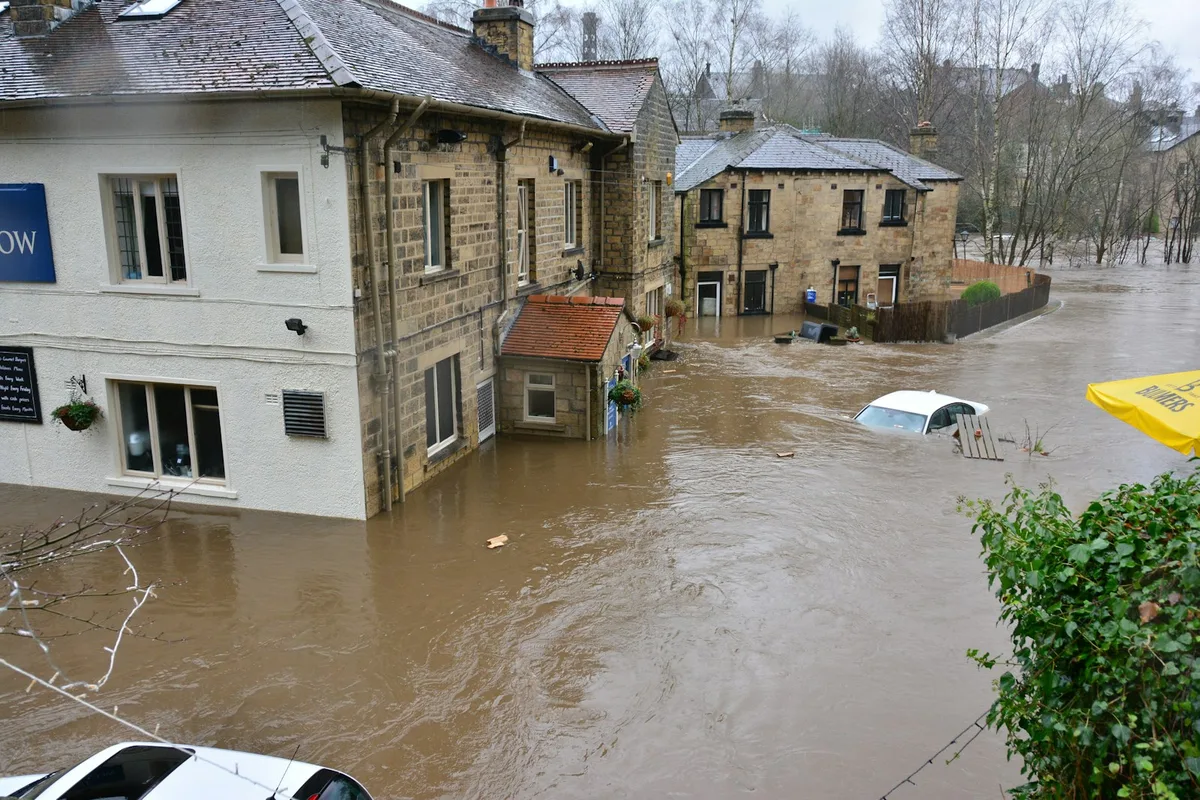
Flood Insurance Gaps Homeowners Discover During Hurricane Season in the US
Learn the flood insurance gaps US homeowners often discover during hurricane season and estimate coverage needs before a storm.
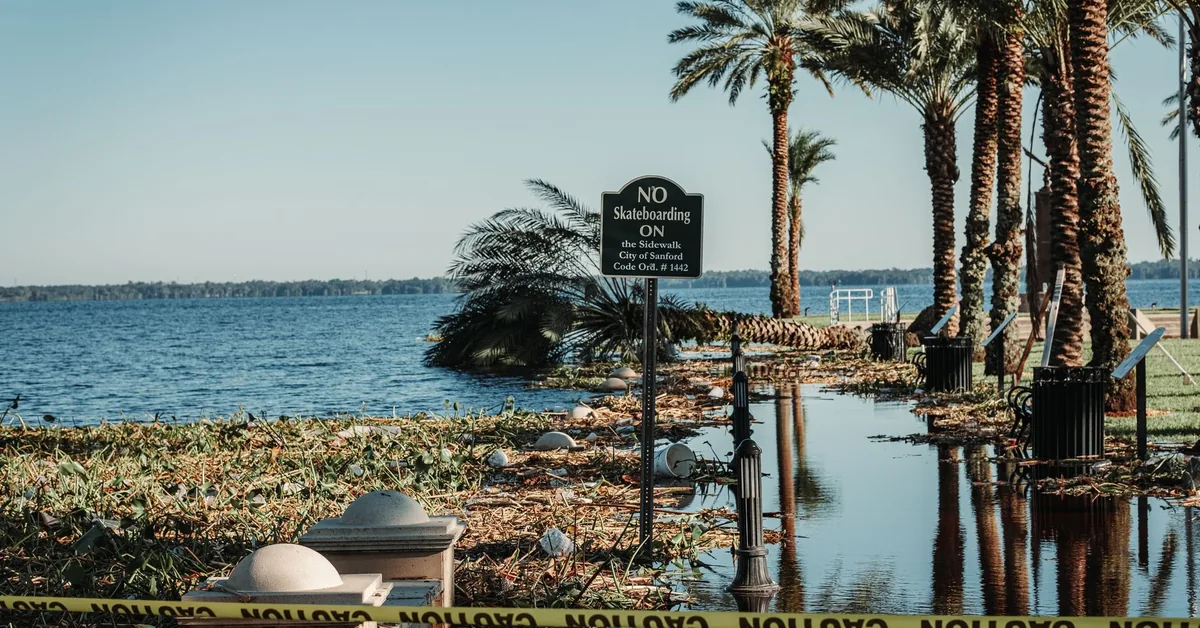
Who Needs Flood Insurance in Florida Before Hurricane Season in the US
Find out who needs flood insurance in Florida before hurricane season, what standard policies exclude, and when to buy coverage.
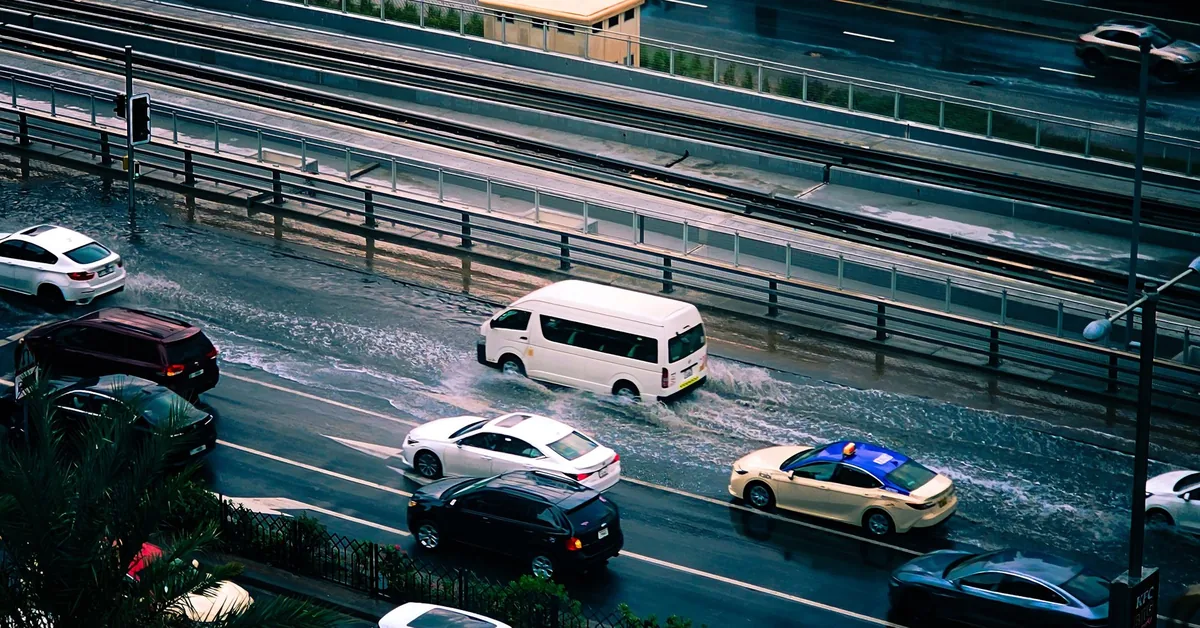
Why Texas Flood Insurance Cancellations Matter for Homeowners in the US
Texas flood insurance cancellations show why US homeowners should review coverage before hurricane season and compare NFIP options.
