Why Houston Homeowners Should Buy Flood Insurance Before Hurricane Season in the US
Houston homeowners face a critical deadline: NFIP flood insurance policies have a 30-day waiting period, and hurricane season starts June 1.
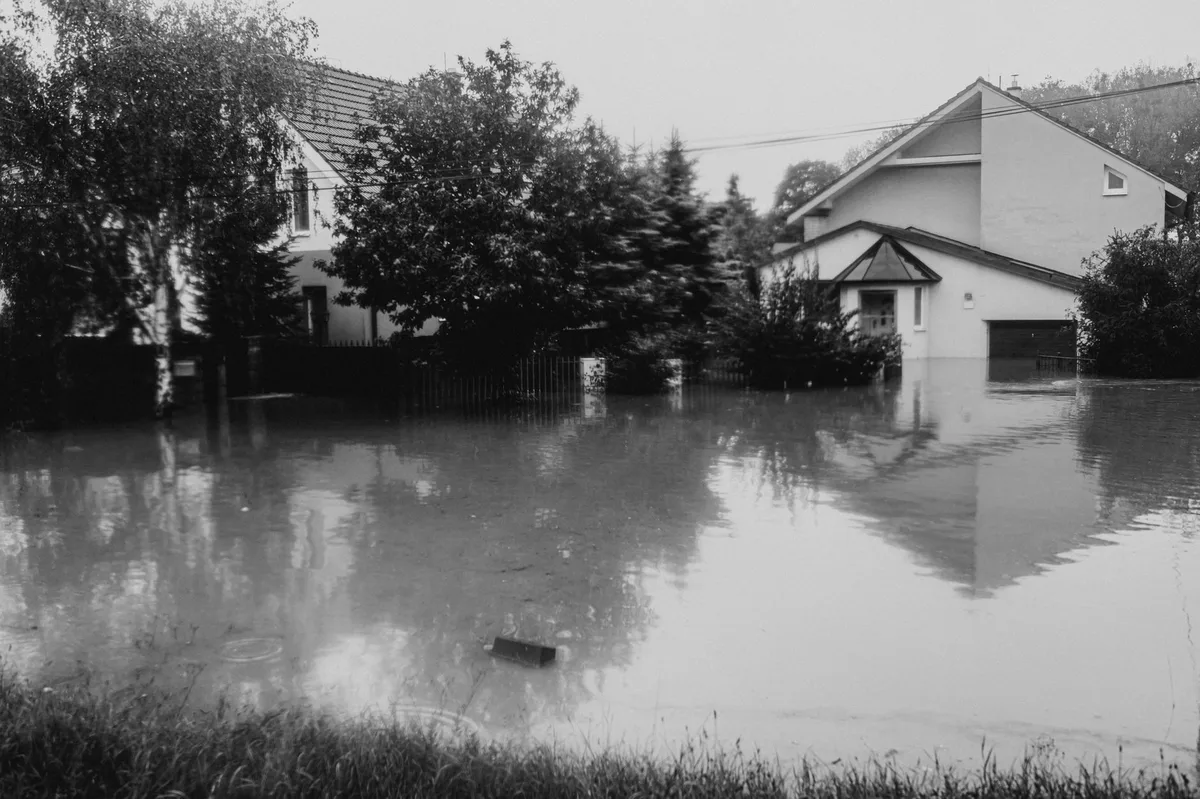
Pexels - Helena Jankovičová Kováčová · original
In this article
Key Takeaway
Houston homeowners who do not yet have flood insurance should buy it immediately. National Flood Insurance Program (NFIP) policies carry a mandatory 30-day waiting period before coverage takes effect, meaning policies purchased in early May will not activate until June. With Atlantic hurricane season running from June 1 through November 30, waiting until a storm forms in the Gulf leaves homeowners unprotected. Houston sits in a high-risk flood zone due to coastal proximity, bayou systems, and heavy rainfall, making flood insurance a critical safeguard that standard homeowners policies do not provide.
Why Houston Faces Severe Flood Risk
Houston’s geography creates exceptional flood vulnerability. The city lies near the Gulf Coast, sits at low elevation, and contains an extensive bayou network that channels storm runoff. Hurricane Harvey in 2017 demonstrated this risk when the storm dumped over 50 inches of rain in some areas, flooding more than 150,000 homes across the greater Houston region.
According to the Federal Emergency Management Agency (FEMA), flood damage is not covered by standard homeowners insurance policies (FEMA, 2026). Homeowners must purchase separate flood insurance through the NFIP or private insurers to protect their property and belongings from water damage caused by hurricanes, tropical storms, and heavy rainfall.
The Critical 30-Day Waiting Period
The NFIP imposes a 30-day waiting period from the date of purchase before a new flood insurance policy becomes effective. This means a policy purchased on May 5 will not provide coverage until June 4. If a hurricane strikes the Texas coast in early June, homeowners who waited until late May to purchase coverage will face the full cost of flood damage out of pocket.
The waiting period exists to prevent homeowners from buying insurance only after a storm has been forecast. The Insurance Information Institute notes that this requirement encourages year-round coverage rather than last-minute purchasing when a threat emerges (III, 2026). Limited exceptions to the 30-day rule apply only when flood insurance is required for a new mortgage closing.
What NFIP Flood Insurance Covers
NFIP policies provide two types of coverage. Building coverage protects the home’s structure, foundation, electrical and plumbing systems, HVAC equipment, and built-in appliances, with maximum limits of $250,000 for single-family homes. Contents coverage protects personal belongings such as furniture, clothing, and electronics, with maximum limits of $100,000.
Foundational texts such as Principles of Finance explain that insurance serves as a financial risk management tool, transferring the cost of catastrophic losses from the individual to a pooled system (OpenStax, 2022). For Houston homeowners, this transfer is essential because flood repairs can easily exceed $50,000 for moderate damage and reach into six figures for severe inundation.
NFIP policies do not cover temporary living expenses, basement contents (in most cases), or landscaping. Homeowners should review policy details carefully with a licensed insurance agent to understand what their specific policy includes.
Read also: Can You Get Flood Insurance Before a Storm in the US? What Houston Homeowners Should Know
Where to Purchase Flood Insurance
Homeowners can purchase NFIP policies through licensed insurance agents who participate in the program. FEMA’s website provides an agent finder tool. Private flood insurance is also available from some carriers and may offer higher coverage limits or additional benefits not included in NFIP policies.
Premium costs depend on the property’s flood zone designation, elevation, construction type, and coverage limits. Homes in high-risk Special Flood Hazard Areas (SFHAs) typically pay higher premiums than those in moderate- or low-risk zones. However, according to FEMA, 20 to 25 percent of flood insurance claims come from properties outside high-risk zones, meaning all Houston homeowners should consider coverage regardless of their official flood zone.
Act Now, Not When a Storm Forms
Hurricane forecasting has improved, but storms can intensify rapidly. A tropical depression in the Caribbean can become a major hurricane within days, leaving no time to secure flood insurance before landfall. Homeowners who wait for storm warnings will find themselves uninsured during the event.
Insurance regulators recommend purchasing flood insurance well before hurricane season begins and maintaining continuous coverage year-round. The National Association of Insurance Commissioners provides consumer resources to help homeowners understand their flood risk and coverage options (NAIC, 2026).
Get Protected Today
Houston homeowners without flood insurance should contact a licensed insurance agent immediately to obtain quotes and purchase coverage. Verify the policy’s effective date and confirm it will activate before June 1. Review coverage limits to ensure they adequately protect your home’s replacement value and personal property. Maintain continuous coverage rather than canceling during the off-season, as gaps in coverage reset the 30-day waiting period.
Disclaimer: This article provides general educational information about flood insurance for Houston homeowners and is not personalized insurance, financial, or legal advice. Flood insurance requirements, premiums, coverage limits, and waiting periods vary by property, location, and insurer. Homeowners should consult a licensed insurance agent in Texas for specific guidance on their coverage needs and verify all policy terms, effective dates, and exclusions before purchasing. Coverage rules and flood zone designations can change; confirm current requirements with your state Department of Insurance and FEMA before making insurance decisions.
Sources
- Flood Insurance (accessed )
- Insurance Information Institute (accessed )
- Consumer Information (accessed )
- Principles of Finance (accessed )
Related articles
Can You Get Flood Insurance Before a Storm in the US? What Houston Homeowners Should Know
Can Houston homeowners buy flood insurance before a storm? Learn the NFIP waiting period, key exceptions, and what to do now.
How to Secure Flood Insurance Before Hurricane Season in the US
Learn how to secure flood insurance before hurricane season in the US. Understand waiting periods, NFIP vs private options, and coverage essentials.
Flood Insurance Gaps Homeowners Discover During Hurricane Season in the US
Learn the flood insurance gaps US homeowners often discover during hurricane season and estimate coverage needs before a storm.
