How to Secure Flood Insurance Before Hurricane Season in the US
A step-by-step guide to getting flood insurance coverage before hurricane season, including waiting periods, NFIP vs private options, and essential coverage decisions for US homeowners.
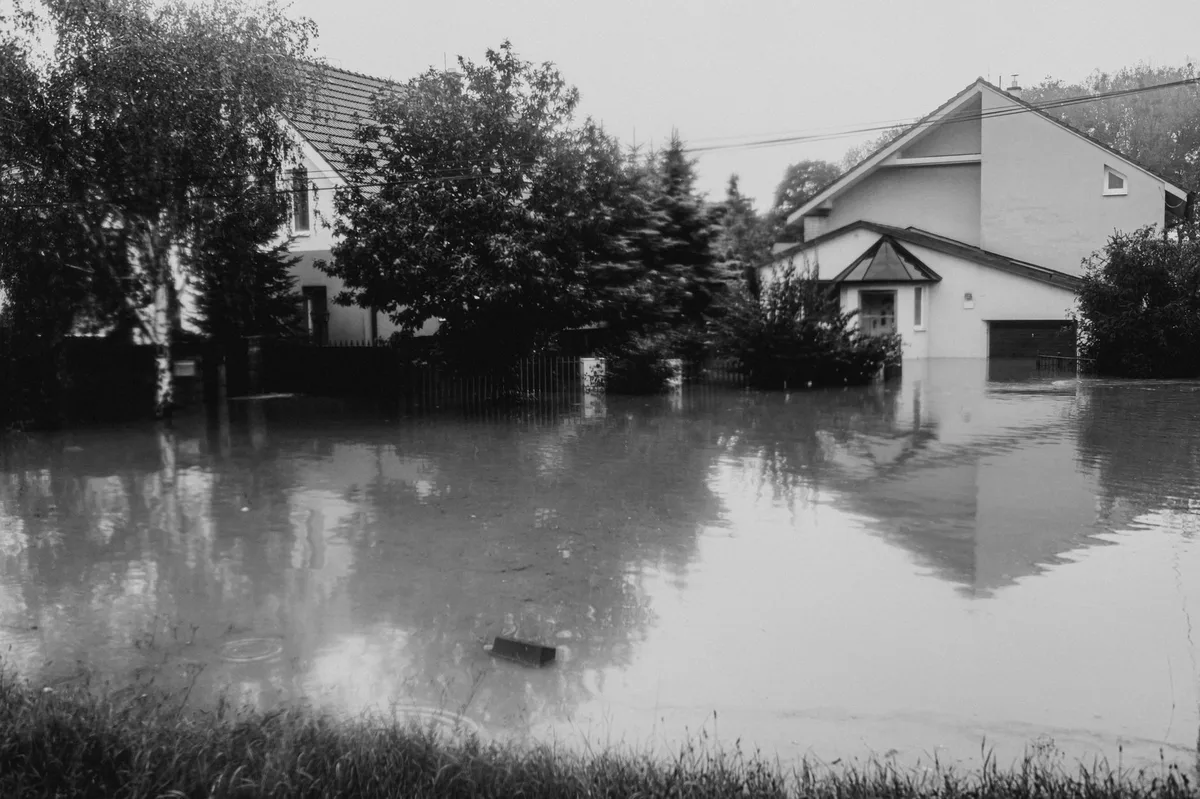
Pexels - Helena Jankovičová Kováčová · original
In this article
Key Takeaway
Flood insurance requires a 30-day waiting period before coverage begins, so homeowners in hurricane-prone US areas should secure policies well before hurricane season starts (officially June 1). Standard homeowners insurance does not cover flood damage. You can purchase coverage through the National Flood Insurance Program (NFIP) or private insurers, with policies typically costing between $700 and $2,000 annually depending on your flood zone and coverage limits.
Hurricane season brings the urgent threat of flooding to coastal communities and low-lying areas across the United States. While most homeowners recognize the need for property insurance, many do not realize that standard homeowners policies exclude flood damage entirely. When storm surge, heavy rainfall, or overwhelmed drainage systems cause water to enter your home, you face potentially catastrophic financial loss without dedicated flood insurance.
The timing of securing flood insurance matters critically. Federal Emergency Management Agency (FEMA) regulations require a 30-day waiting period for most new National Flood Insurance Program (NFIP) policies before coverage takes effect (FEMA, 2026). This means homeowners who wait until a named storm appears in the forecast have already missed their opportunity to obtain protection for that event.
Texas serves as a stark example of this vulnerability. The state experiences both Gulf Coast hurricanes and inland flooding from tropical systems. Hurricane Harvey in 2017 caused an estimated $125 billion in damage, with flooding affecting hundreds of thousands of homes. Many property owners discovered too late that their homeowners insurance would not cover the water damage.
This guide walks you through the complete process of securing flood insurance before hurricane season, from assessing your risk to choosing between NFIP and private market options, understanding coverage limits, and avoiding common mistakes that leave homeowners underinsured.
What You Will Learn
This article provides a step-by-step process for obtaining flood insurance coverage before hurricane season begins. You will learn how to evaluate your property’s flood risk, navigate the mandatory waiting period, compare NFIP coverage against private flood insurance alternatives, obtain accurate quotes, purchase appropriate coverage limits, and document your property for potential claims. The guide also covers frequent mistakes homeowners make when securing flood insurance and answers common questions about cost, coverage, and policy terms.
Step 1: Understand Your Flood Risk
Begin by determining your property’s flood zone designation. FEMA maintains Flood Insurance Rate Maps (FIRMs) that classify every US address into risk categories. Visit the FEMA Flood Map Service Center online and enter your property address to receive your flood zone classification.
High-risk zones (designated A or V) face a 26 percent chance of flooding during a 30-year mortgage period. Moderate-to-low risk zones (B, C, or X) have reduced but not eliminated flood danger. According to the Insurance Information Institute, approximately 25 percent of flood insurance claims come from properties outside high-risk zones, demonstrating that flood risk extends beyond coastal areas (III, 2026).
Your flood zone determines whether mortgage lenders require flood insurance (mandatory for high-risk zones with federally backed mortgages) and influences your premium costs. Even if you live outside a high-risk zone, recent hurricanes have shown that inland areas experience severe flooding when tropical systems stall and produce extended rainfall.
Review your area’s flood history by checking local emergency management records and asking longtime neighbors about past flooding events. Storm surge from hurricanes can push water miles inland, and urban development often increases flood risk by reducing natural water absorption.
Step 2: Know the Waiting Period
The 30-day waiting period represents the most critical timing factor in flood insurance. NFIP policies purchased today do not provide coverage until 30 days from the purchase date, with limited exceptions. This waiting period exists to prevent homeowners from purchasing coverage only when a specific storm threatens.
Exceptions to the 30-day rule include: initial purchase when closing on a home (coverage can begin at closing), policy renewals (no waiting period), or when a lender requires coverage as a condition of a new mortgage (coverage begins when requirements are met). For voluntary purchases outside these circumstances, the full 30-day waiting period applies.
Hurricane season officially runs from June 1 through November 30 in the Atlantic basin. To ensure coverage for early-season storms, purchase your policy no later than early May. For maximum protection throughout the season, consider obtaining coverage in March or April.
Private flood insurance policies may have different waiting periods, often ranging from 10 to 15 days. Some private insurers offer immediate coverage in specific circumstances. When comparing options, confirm the exact waiting period for each policy quote.
Step 3: Compare NFIP vs Private Flood Insurance
The National Flood Insurance Program, administered by FEMA, has traditionally dominated the US flood insurance market. NFIP policies offer standardized coverage with maximum limits of $250,000 for dwelling coverage and $100,000 for contents. Premium rates follow federal guidelines based on your flood zone, building characteristics, and coverage amount.
NFIP coverage includes the building structure and foundation, electrical and plumbing systems, built-in appliances, and permanently installed carpeting. Contents coverage (purchased separately) protects personal belongings. NFIP does not cover temporary living expenses, currency, valuable papers, or most basement contents.
Private flood insurance has expanded significantly since 2012, when federal law encouraged competition. Private policies often provide higher coverage limits (sometimes exceeding $2 million), broader coverage definitions, replacement cost valuation instead of actual cash value, and coverage for additional living expenses during repairs.
Private insurers can price risk more flexibly than NFIP, which means some homeowners receive lower premiums from private carriers while others pay more. Properties with recent renovations, elevated structures, or improved drainage may qualify for better private market rates. Older properties in high-risk zones may find NFIP more affordable.
The principles covered in financial risk management literature, as explained in Principles of Finance, emphasize comparing multiple insurance options to find coverage that balances cost against the potential financial impact of an uninsured loss.
Request quotes from both NFIP providers (available through most property and casualty insurance agents) and private flood insurers. Compare not only premium costs but coverage limits, deductibles, replacement cost versus actual cash value, additional living expense coverage, and claims handling reputation.
Step 4: Get Multiple Quotes
Contact at least three independent insurance agents who represent multiple carriers. Provide identical information to each agent: your property address, construction details (year built, number of stories, foundation type), desired coverage limits, and preferred deductible.
For NFIP quotes, rates should remain consistent across agents since federal guidelines standardize pricing. Differences may arise from agent fees or bundling discounts if you purchase flood insurance alongside homeowners coverage from the same carrier.
Private flood insurance quotes will vary significantly between carriers. Insurers use different models to assess risk, and their underwriting criteria differ. One company may view your property as low-risk while another assigns higher premiums.
When reviewing quotes, verify these details: the exact coverage limits for dwelling and contents, the deductible amount (typical options range from $1,000 to $10,000), whether coverage uses replacement cost or actual cash value, coverage for additional living expenses, any special endorsements or exclusions, and the policy’s waiting period.
Ask specific questions about coverage scenarios relevant to hurricane flooding: Does the policy cover water damage from storm surge? Does it include coverage for detached structures like garages? Will it pay for flood damage to permanently installed swimming pools, fences, or landscaping? What documentation does the insurer require for contents claims?
Step 5: Purchase Your Policy
Once you select a policy, complete the application promptly to start the waiting period. The application requires details about your property’s flood history, elevation relative to base flood elevation (you may need an elevation certificate prepared by a licensed surveyor), construction materials, and any flood mitigation measures like flood vents or elevated mechanical systems.
Read also: How to Buy Flood Insurance Before Hurricane Season in Houston
Pay the full annual premium or arrange installment payments if the insurer offers that option. NFIP policies typically require annual payment in full, while some private insurers allow monthly or quarterly installments. Confirm that installment plans do not delay coverage activation.
Review your policy declarations page when it arrives to verify: the coverage effective date (confirming the waiting period), the correct property address, accurate coverage limits and deductibles, proper coverage type (replacement cost versus actual cash value), and any endorsements or special conditions.
Add the policy expiration date to your calendar with a reminder 60 days before renewal. Allowing a flood insurance policy to lapse creates a new waiting period when you reinstate coverage, potentially leaving you unprotected during hurricane season.
If you have a federally backed mortgage on a property in a high-risk flood zone, provide proof of flood insurance to your lender immediately. Lenders can force-place flood insurance at significantly higher cost if you do not maintain required coverage.
Step 6: Document Your Property
Before hurricane season begins, create a comprehensive inventory of your home’s contents and condition. This documentation proves essential for claims if flooding occurs.
Photograph or video record every room in your home, opening closets and cabinets to show contents. Capture serial numbers on appliances and electronics. Document valuable items separately with receipts or appraisals if available.
For the building structure, photograph the foundation, walls, flooring, built-in features, and mechanical systems. If you completed renovations or improvements, keep receipts and before-and-after photos showing the work.
Store this documentation outside your home (in cloud storage, with a family member in another location, or in a safe deposit box). Flooding that damages your property will also destroy paper records and devices kept inside the home.
Create a written inventory listing major items with purchase dates and estimated values. This supplements photo and video documentation and helps ensure you do not overlook items when filing a claim.
Common Mistakes to Avoid
Waiting until a storm forms to purchase coverage represents the most common and costly error. Once meteorologists issue hurricane watches or warnings for your area, it becomes too late to obtain coverage for that event.
Assuming homeowners insurance covers flooding leaves many homeowners unprotected. Standard homeowners policies explicitly exclude flood damage. Wind damage from hurricanes typically falls under homeowners coverage, but water damage requires separate flood insurance.
Purchasing only building coverage without contents coverage protects your home’s structure but leaves your belongings uninsured. Contents coverage costs relatively little compared to building coverage and protects potentially tens of thousands of dollars in personal property.
Underestimating coverage needs by selecting minimum limits saves on premiums but can result in significant out-of-pocket costs after major flooding. Calculate realistic replacement costs for your home and belongings, considering construction cost increases and the full value of your possessions.
Failing to understand basement coverage limitations frustrates many homeowners after claims. NFIP coverage for basement areas is extremely limited, typically covering only essential systems and structural elements, not finished living spaces or stored belongings.
Neglecting to obtain an elevation certificate when it could lower premiums wastes money over time. Properties built above base flood elevation qualify for reduced NFIP premiums, and the certificate fee (typically $500 to $2,000) can pay for itself within a few years through premium savings.
Frequently Asked Questions
How much does flood insurance cost in the US?
NFIP flood insurance averages approximately $700 annually, but costs vary widely based on flood zone, coverage limits, deductible, and building characteristics. High-risk zone properties with maximum coverage can exceed $2,000 annually. Low-risk zone policies with minimal coverage may cost $400 to $500. Private flood insurance premiums range similarly but can be lower or higher depending on the insurer’s risk assessment and the coverage features selected.
Can I buy flood insurance directly from FEMA?
No, FEMA administers the NFIP but does not sell policies directly to homeowners. You must purchase NFIP coverage through a licensed insurance agent or company participating in the program. Most property and casualty insurance agencies offer NFIP policies. You can find participating agents through the FEMA website or by contacting your current homeowners insurance provider.
Does flood insurance cover hurricane damage?
Flood insurance specifically covers water damage from flooding, including storm surge from hurricanes, heavy rainfall, and overwhelmed drainage systems. It does not cover wind damage, which falls under homeowners insurance. Hurricane damage often involves both flood and wind components, requiring coordination between your homeowners and flood insurance policies to receive full compensation for losses.
What happens if I file a flood insurance claim?
After flooding occurs, contact your insurance company or agent immediately to report the claim. An adjuster will inspect your property to assess damage. Take photos and videos of all damage before cleaning or making repairs (except emergency actions to prevent further damage). Keep receipts for temporary repairs and living expenses if your policy includes additional living expense coverage. NFIP claims typically process within 30 days of submitting all required documentation, though complex claims may take longer.
Conclusion
Securing flood insurance before hurricane season requires planning ahead to account for waiting periods and making informed decisions about coverage types and limits. Start by assessing your property’s flood risk, comparing NFIP and private insurance options, obtaining multiple quotes, and purchasing adequate coverage well before June 1.
The information presented here is educational and does not constitute personalized insurance advice. Coverage needs, flood risk, and policy options vary significantly based on your specific property location, construction, and circumstances. Consult a licensed insurance agent familiar with flood insurance in your state to receive recommendations tailored to your situation. Confirm current NFIP regulations, waiting periods, and coverage limits with FEMA or your insurance provider, as program rules can change. Review your flood zone designation and local flood history with your state emergency management agency and a licensed professional before making coverage decisions.
Sources
- Flood Insurance (accessed )
- Insurance Information Institute (accessed )
- Consumer Information (accessed )
- Principles of Finance (accessed )
Related articles
How to Buy Flood Insurance Before Hurricane Season in Houston
Houston homeowners must act now to buy flood insurance before hurricane season. Learn the 30-day waiting period, NFIP coverage, and how to get protected.
Who Needs Flood Insurance in Florida as Hurricane Season Approaches
Learn who needs flood insurance in Florida as hurricane season approaches. Understand NFIP requirements, high-risk zones, and coverage gaps.
Should You Have Flood Insurance Even in a Calm Hurricane Season in the US?
A calm hurricane season does not mean you should skip flood insurance. Learn when NFIP coverage is required and why homeowners policies exclude flood damage.
