Should You Have Flood Insurance Even in a Calm Hurricane Season in the US?
A quiet hurricane season does not eliminate flood risk. Understand when flood coverage is essential and how NFIP policies protect against damage standard homeowners insurance excludes.
Pexels - Helena Jankovičová Kováčová · original
In this article
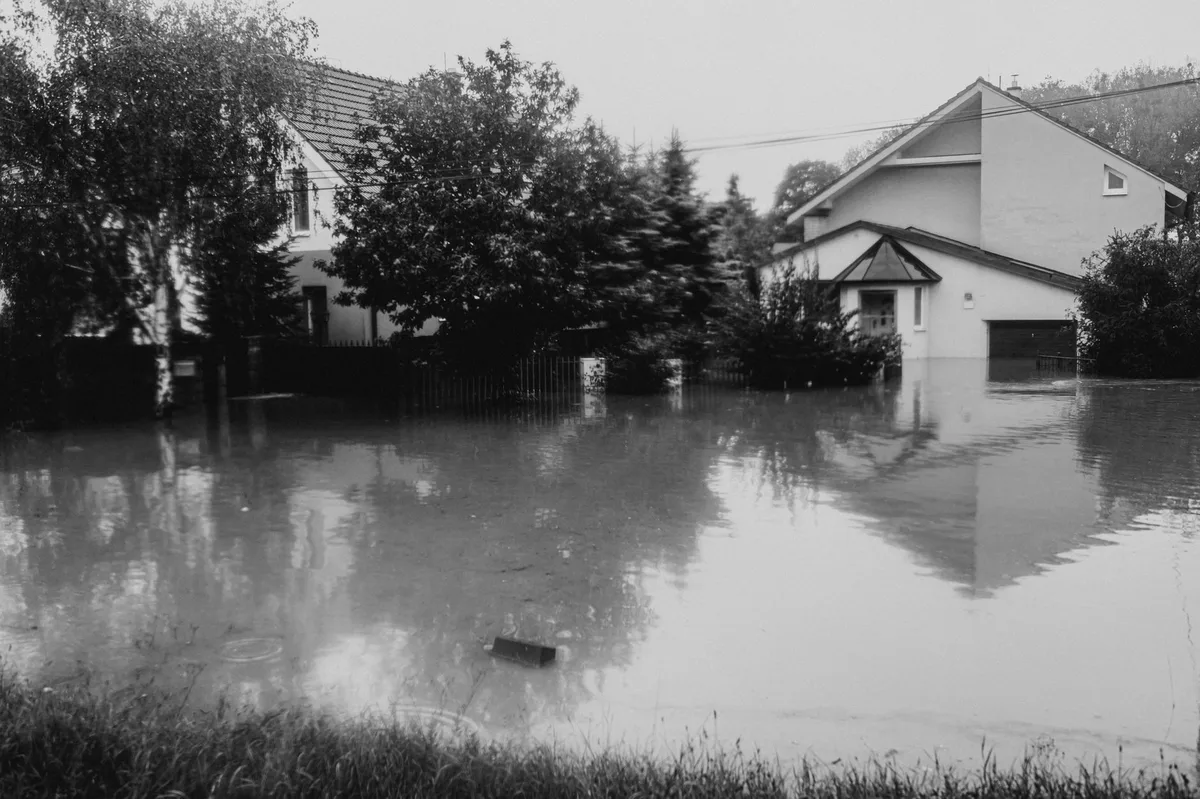
Yes, you should consider flood insurance regardless of hurricane activity. Floods remain the most common and costly natural disaster in the United States, and the majority of flood claims come from outside high-risk flood zones. A quiet hurricane season does not eliminate your exposure to flooding from heavy rain, river overflow, storm surge, rapid snowmelt, or drainage system failures. Standard homeowners and renters policies exclude flood damage entirely, leaving you personally liable for repairs and replacement costs without separate National Flood Insurance Program (NFIP) coverage or a private flood policy.
Why Hurricane Activity Does Not Predict Your Flood Risk
Hurricanes account for only a portion of flood events. According to the Federal Emergency Management Agency (FEMA), more than 20 percent of flood insurance claims come from properties outside high-risk flood zones, and flooding can result from localized thunderstorms, winter storms, blocked drainage systems, and coastal storm surge unrelated to named hurricanes. A calm season means fewer tropical storms, but it does not reduce the likelihood of a flash flood from a summer cloudburst or riverine flooding after sustained rainfall. As covered in foundational risk management texts such as Principles of Finance, effective insurance planning addresses low-probability, high-impact events before they occur, not after.
Flood risk maps (known as Flood Insurance Rate Maps, or FIRMs) categorize properties into Special Flood Hazard Areas (high risk, where federally backed mortgages require coverage) and moderate-to-low-risk zones. Even in a low-risk zone, one inch of water inside your home can cause tens of thousands of dollars in damage to flooring, drywall, electrical systems, and personal property. Homeowners insurance will not cover that loss.
When Flood Insurance Is Required and When It Makes Sense
If you carry a mortgage from a federally regulated or insured lender and your property sits in a high-risk flood zone (zones beginning with A or V on FEMA flood maps), federal law requires you to purchase flood insurance. Lenders enforce this requirement to protect their collateral. The mandate does not apply to properties outside high-risk zones or those owned free and clear, but that does not mean coverage is unnecessary.
Flood insurance through the NFIP is available to any property owner in a participating community, regardless of flood zone. Premiums in moderate- and low-risk zones are often affordable (frequently under $500 per year for a standard policy as of 2026; verify current rates with a licensed agent or the NFIP). Coverage includes the building structure (up to $250,000) and contents (up to $100,000), with higher limits available through private insurers in some markets. The Insurance Information Institute (III) notes that just one inch of floodwater can cause over $25,000 in damage to a typical home.
Read also: Federal Flood Insurance Changes for Florida Homeowners in the US
The 30-Day Waiting Period
NFIP policies carry a mandatory 30-day waiting period from the date of purchase to the effective date of coverage (exceptions apply for new mortgages and map changes). Waiting until a storm is forecast or a flood watch is issued means you will not have coverage in time. Buying a policy during a calm season ensures protection is in place when unexpected weather strikes.
What To Do Next
Review your current homeowners or renters policy declarations page to confirm whether flood coverage is included (it almost certainly is not). Check your property’s flood zone designation using the FEMA Flood Map Service Center online. Contact a licensed insurance agent or visit FEMA’s NFIP page to request a flood insurance quote. Compare NFIP rates with private flood insurance options, which may offer higher limits or additional coverage features. If you are in a high-risk zone and carry a federally backed mortgage, confirm compliance with your lender’s flood insurance requirement. If you are in a low- or moderate-risk zone, weigh the annual premium against the out-of-pocket cost of repairing or replacing flood-damaged property. For detailed guidance on state-specific requirements and coverage options, consult your state Department of Insurance and a licensed agent familiar with your local flood risk.
Disclaimer: This article provides general educational information about flood insurance in the United States and does not constitute personalized insurance, legal, or financial advice. Coverage requirements, premiums, limits, and availability vary by property location, flood zone designation, and individual circumstances. Flood insurance rules and NFIP policy terms are subject to change. Verify current terms, state requirements, and your specific flood risk with a licensed insurance agent, your mortgage lender, and your state Department of Insurance before making coverage decisions. Always consult a licensed professional for advice tailored to your personal situation.
Sources
- Flood Insurance (accessed )
- Insurance Information Institute (accessed )
- Consumer Information (accessed )
- Principles of Finance (accessed )
Related articles
How to Secure Flood Insurance Before Hurricane Season in the US
Learn how to secure flood insurance before hurricane season in the US. Understand waiting periods, NFIP vs private options, and coverage essentials.
Who Needs Flood Insurance in Florida as Hurricane Season Approaches
Learn who needs flood insurance in Florida as hurricane season approaches. Understand NFIP requirements, high-risk zones, and coverage gaps.
Federal Flood Insurance Changes for Florida Homeowners in the US
Florida homeowners should know about upcoming federal flood insurance changes as hurricane season nears. Learn what's changing with NFIP and how it affects you.
