Federal Flood Insurance Changes for Florida Homeowners in the US
Florida homeowners face potential changes to the National Flood Insurance Program as hurricane season approaches, with reforms and rate adjustments that could affect coverage costs and availability.
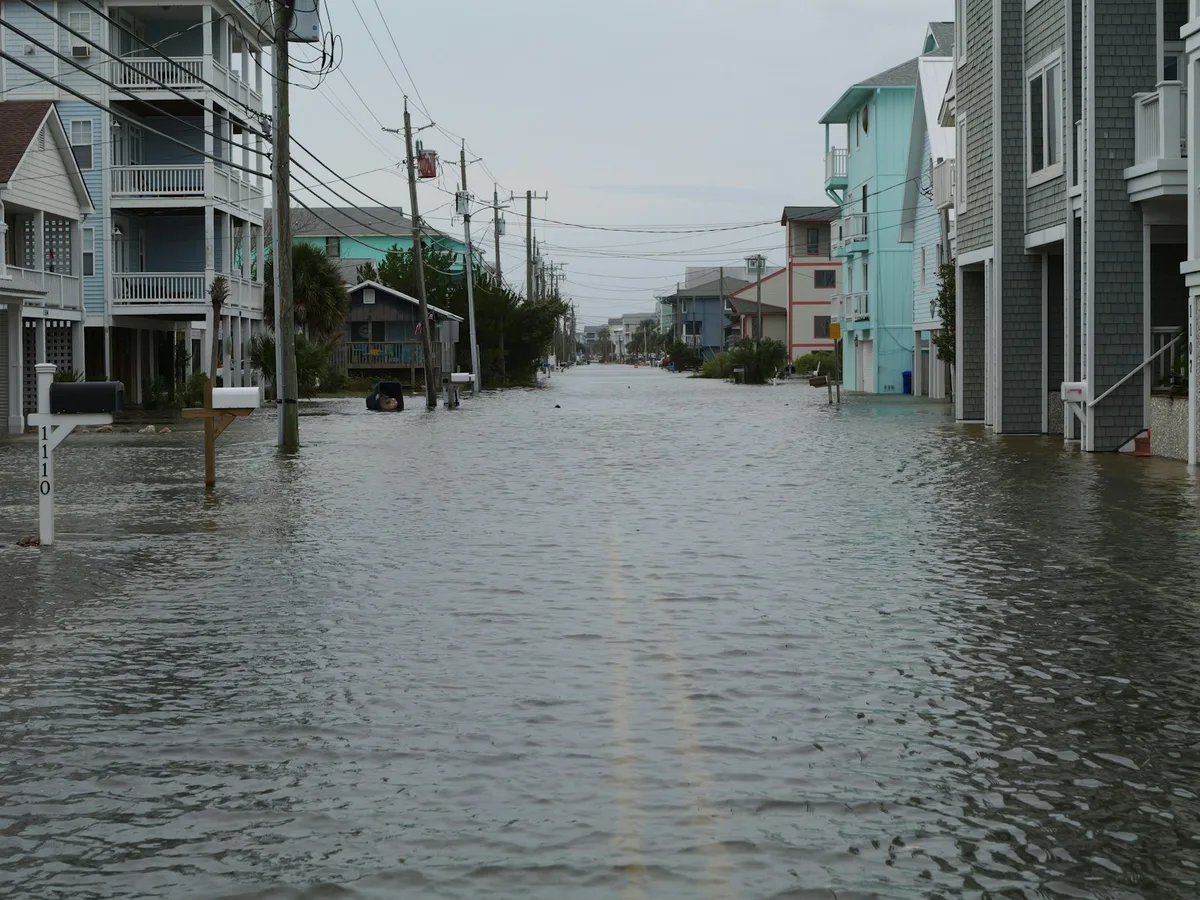
Unsplash - Richard R · original
In this article
Federal flood insurance reforms are under discussion as Florida approaches another hurricane season, with potential changes to premiums, coverage structures, and program sustainability that could directly affect the state’s 1.7 million National Flood Insurance Program (NFIP) policyholders. Homeowners should monitor legislative proposals and rate adjustments over the coming months, as reforms may alter both affordability and coverage requirements for properties in flood-prone areas.
Why Florida Homeowners Are Watching Federal Flood Insurance
Florida holds the largest share of NFIP policies nationwide, with coastal and low-lying communities particularly dependent on the federal program for flood coverage. Private homeowners policies typically exclude flood damage, making NFIP the primary or only option for many residents. According to the Federal Emergency Management Agency, the program faces ongoing financial challenges that have prompted calls for structural reforms (FEMA, 2026).
As hurricane season approaches each year from June through November, the timing of any policy changes becomes critical for homeowners seeking to secure or renew coverage before storm threats intensify.
What Changes Are Being Discussed
Congressional proposals and FEMA administrative updates under consideration include:
Risk Rating 2.0 Implementation: FEMA’s updated flood risk methodology, which began phasing in during 2021, continues to adjust premiums based on individual property characteristics rather than broad flood zones. Some Florida homeowners have seen rate increases as the system reflects actual flood risk more precisely, while others in previously overpriced zones may see decreases.
Premium Cap Adjustments: Current law limits annual NFIP premium increases to 18 percent per policy, but some reform proposals seek to modify this cap to improve program solvency or provide affordability relief.
Program Reauthorization: NFIP requires periodic reauthorization by Congress. Debates around long-term reauthorization often include proposals to reform subsidies, expand private market participation, or adjust coverage limits.
Affordability Programs: Legislative discussions have included means-tested vouchers or subsidies for lower-income policyholders facing steep rate increases under risk-based pricing.
How Reforms Could Affect Florida Homeowners
Changes to federal flood insurance affect Florida households in several ways:
Coverage Costs: Risk-based pricing under Risk Rating 2.0 means premiums now vary widely even within the same neighborhood, based on factors like elevation, distance to water, and flood history. Homeowners in high-risk areas may face ongoing annual increases until premiums reach full-risk rates.
Mandatory Purchase Requirements: Federally backed mortgages require flood insurance for properties in Special Flood Hazard Areas (SFHAs). Any changes to coverage requirements or availability could affect home financing options.
Private Market Alternatives: Some reforms aim to encourage private insurers to offer flood coverage, potentially giving Florida homeowners more options but also introducing variability in policy terms and financial stability among carriers.
As foundational texts such as Principles of Finance explain, insurance pricing reflects the mathematical relationship between risk exposure and premium adequacy, a principle driving the shift toward individualized flood risk assessment.
Read also: Flood Insurance for South Florida Homeowners: Weighing Hurricane Season Risks in the US
Current NFIP Challenges
The National Flood Insurance Program carries approximately $20 billion in debt to the U.S. Treasury, largely from catastrophic payouts following hurricanes Katrina, Sandy, and other major storms. Florida’s exposure to hurricanes and its high policy concentration make the state central to any sustainability discussions.
Subsidized legacy policies, grandfathered rates, and repetitive loss properties contribute to the program’s financial imbalance. Reforms often target these areas, which can mean rate increases for some policyholders even as the program works toward solvency.
What Homeowners Should Do Now
Florida homeowners with flood insurance or those considering coverage should:
-
Review Your Current Policy: Understand your coverage limits, deductible, and premium structure. Check whether your rates have changed under Risk Rating 2.0.
-
Confirm Your Flood Zone: FEMA periodically updates flood maps. Verify your property’s current designation through the FEMA Map Service Center, as changes can affect both premiums and mortgage requirements.
-
Compare Private Options: Some Florida homeowners now have access to private flood insurance that may offer competitive rates or broader coverage than NFIP. Compare policy terms carefully, and confirm the private carrier meets your lender’s requirements if you have a mortgage.
-
Monitor Legislative Action: Watch for news on NFIP reauthorization and reform bills, particularly as Congress approaches program expiration dates.
-
Consult a Licensed Agent: Work with an insurance agent experienced in Florida flood coverage to understand how potential changes might affect your specific situation and what coverage adjustments you should consider.
Final Considerations
Federal flood insurance reforms remain in flux, with competing priorities around affordability, program solvency, and accurate risk pricing. Florida homeowners should stay informed as hurricane season approaches and be prepared for potential premium adjustments or coverage changes. The National Association of Insurance Commissioners provides consumer resources for understanding flood insurance options and policyholder rights (NAIC, 2026).
Flood insurance requirements and premium structures vary by property location and characteristics. Verify current program rules and rates with your state Department of Insurance or a licensed flood insurance agent for guidance specific to your property and financial situation. Coverage decisions should account for your property’s actual flood risk, mortgage requirements, and budget constraints.
Disclaimer: This article provides general educational information about federal flood insurance discussions and is not personalized insurance, financial, or legal advice. Flood insurance rules, premiums, and program terms change frequently and vary by property and location. Consult a licensed insurance agent familiar with Florida flood coverage and your state Department of Insurance for current requirements and recommendations specific to your circumstances before making coverage decisions.
Sources
- Flood Insurance (accessed )
- Consumer Information (accessed )
- Insurance Information Institute (accessed )
- Principles of Finance (accessed )
Related articles

Who Needs Flood Insurance in Florida as Hurricane Season Approaches
Learn who needs flood insurance in Florida as hurricane season approaches. Understand NFIP requirements, high-risk zones, and coverage gaps.
Texas Leads Nation in Flood Insurance Cancellations in the US as Hurricane Season Approaches
Texas leads the US in flood insurance cancellations as NFIP rates rise. Learn why costs are surging and what homeowners must do before hurricane season.

Flood Insurance for South Florida Homeowners: Weighing Hurricane Season Risks in the US
South Florida homeowners face flood insurance decisions as hurricane season nears. Learn NFIP coverage, costs, and when protection is required.
