Texas Leads Nation in Flood Insurance Cancellations in the US as Hurricane Season Approaches
Rising costs and federal rate changes drive record flood policy cancellations in Texas, leaving homeowners exposed ahead of hurricane season.
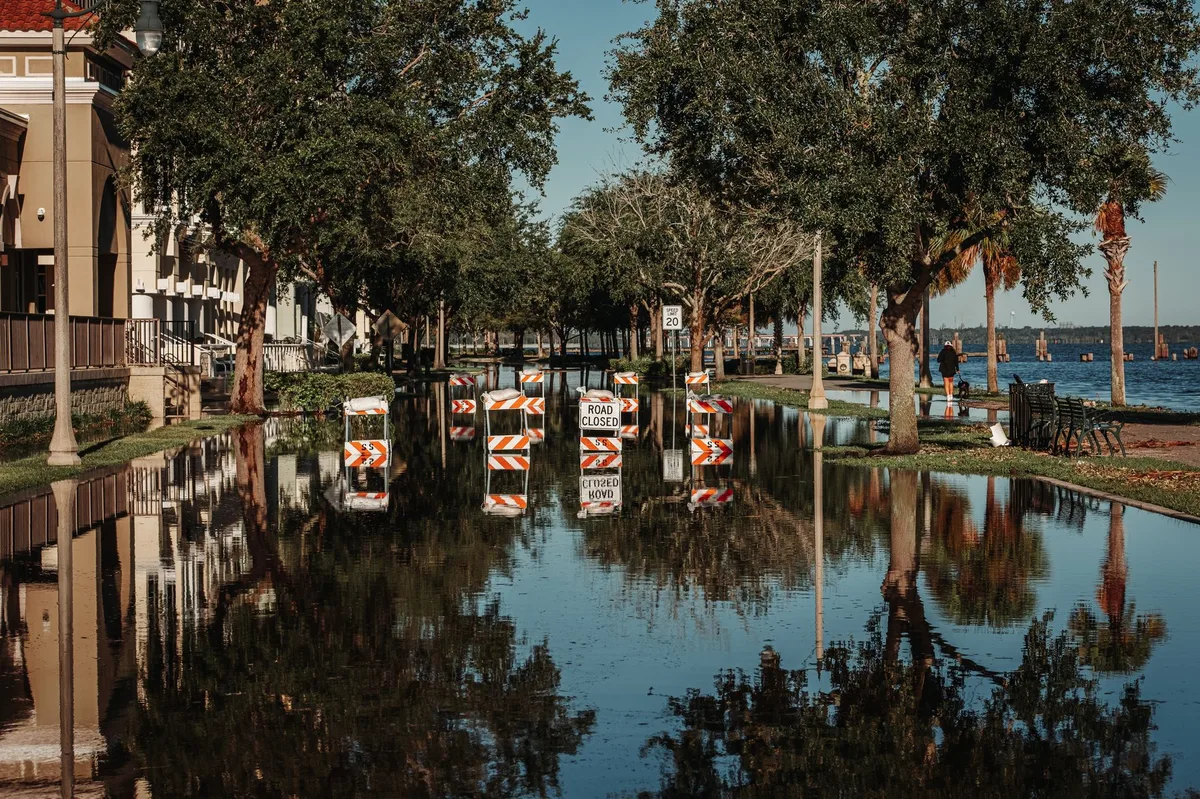
Pexels - Connor Scott McManus · original
In this article
Texas now leads the nation in flood insurance policy cancellations as premium costs surge under federal rate restructuring, leaving thousands of Gulf Coast homeowners exposed just months before peak hurricane season. The National Flood Insurance Program’s Risk Rating 2.0 pricing system has driven cancellations to record levels statewide, with many policyholders dropping coverage they can no longer afford despite living in high-risk zones. This trend creates significant financial vulnerability for families in Houston, Corpus Christi, and other coastal communities where hurricane-driven flooding causes billions in annual damage.
Understanding the Cancellation Crisis
Texas policyholders are dropping flood coverage at rates exceeding any other state, driven by steep premium increases that began rolling out in October 2021. According to the Federal Emergency Management Agency, which administers the National Flood Insurance Program (NFIP), the new Risk Rating 2.0 methodology calculates premiums using individualized property characteristics rather than broad flood zone designations (FEMA, 2026). For many Texas properties, this shift has resulted in annual premium increases of 18 percent or more, compounding year over year until rates reach their actuarially determined level.
The Harris County and Galveston County areas, home to millions of residents along the Gulf Coast, have seen particularly high cancellation rates. Properties that previously paid flat-rate premiums based solely on their Special Flood Hazard Area (SFHA) designation now face individualized pricing that factors in distance to water, elevation relative to base flood elevation, foundation type, and replacement cost. Homes built decades ago in areas that have since experienced significant development and increased flood risk are seeing the steepest increases.
Why Flood Insurance Costs Are Rising in Texas
The fundamental driver behind rising costs is the NFIP’s mandate to achieve actuarial soundness after decades of operating at a deficit. As covered in Principles of Finance, insurance pricing must reflect actual risk to remain financially viable over time. The program has paid out far more in claims than it has collected in premiums, accumulating debt that taxpayers ultimately cover through Treasury borrowing.
Risk Rating 2.0 uses advanced flood modeling, property-level data, and catastrophe risk assessment to set premiums that more accurately reflect each property’s true flood exposure. For Texas properties, several factors drive higher rates:
Coastal Hurricane Exposure: Properties within 50 miles of the Gulf Coast face elevated risk from hurricane storm surge, which can push floodwaters miles inland. The Insurance Information Institute notes that coastal flood claims average significantly higher payouts than riverine flood claims due to the catastrophic nature of storm surge events (III, 2026).
Subsidence and Elevation Changes: Parts of the Houston metropolitan area are experiencing land subsidence due to groundwater extraction and soil compaction, lowering ground elevation relative to flood levels and increasing risk over time. Properties that were marginally safe when built may now sit below current base flood elevations.
Replacement Cost Inflation: Construction costs for rebuilding damaged homes have risen sharply in recent years. Since NFIP coverage is based on replacement cost up to the policy limit, higher rebuilding costs translate to larger potential claims and higher premiums.
Private Market Retreat: While some private insurers offer flood coverage in lower-risk areas at competitive rates, many private carriers have limited their Texas coastal exposure following major hurricane losses. This reduces competition and leaves more properties dependent on the NFIP, which must accept all applicants regardless of risk.
Why Homeowners Are Dropping Coverage
The decision to cancel flood insurance often comes down to immediate affordability versus long-term risk assessment. For homeowners who have paid off their mortgages or whose lenders no longer require flood coverage, the choice to drop a policy that has doubled or tripled in cost can seem rational, especially if they have never filed a claim.
Three factors drive the cancellation trend in Texas:
Lender Requirement Changes: Federal law mandates flood insurance only for properties with federally backed mortgages located in Special Flood Hazard Areas. Homeowners who refinance with private lenders or pay off their loans may no longer face this requirement, even if their flood risk remains unchanged. Once the legal obligation ends, cost-conscious owners may cancel.
Affordability Pressures: Middle-income Texas families facing simultaneous increases in property taxes, homeowners insurance (or inability to obtain it), and general cost of living often view flood insurance as an expendable expense, particularly if they have not experienced flooding personally.
Misunderstanding of Risk: Many homeowners underestimate their flood exposure, particularly those in moderate-risk zones (X zones) who saw minimal previous flooding. The National Association of Insurance Commissioners warns that roughly 25 percent of flood claims come from properties outside high-risk zones (NAIC, 2026), yet these homeowners are most likely to view coverage as unnecessary.
Read also: Federal Flood Insurance Changes for Florida Homeowners in the US
Hurricane Season Implications
The timing of widespread cancellations ahead of hurricane season creates acute vulnerability. The Atlantic hurricane season runs from June 1 through November 30, with peak activity typically occurring from August through October. Texas coastal communities face threats from both direct landfalls and systems tracking along the coast that can dump extreme rainfall inland.
Coverage Gaps During Peak Risk: Homeowners who cancel policies in spring to save money may find themselves unprotected during the highest-risk months. Even those who attempt to reinstate coverage face a 30-day waiting period before new or renewed NFIP policies take effect, meaning a policy purchased after a storm is named provides no protection.
Catastrophic Financial Exposure: Flood damage is excluded from standard homeowners insurance policies. A single hurricane-driven flood event can cause $50,000 to $200,000 or more in damage to a typical single-family home, including structural repairs, electrical and HVAC system replacement, and mold remediation. Without flood insurance, homeowners must cover these costs entirely out of pocket or through loans.
Federal Disaster Assistance Limitations: FEMA disaster assistance, when declared, typically provides grants of $5,000 to $35,000 for temporary housing and essential repairs, far short of the cost to fully repair or rebuild a flood-damaged home. The remainder is available only through low-interest disaster loans that must be repaid.
What Texas Homeowners Should Do
If you own property in Texas, particularly along the Gulf Coast or in areas with flooding history, take these steps before hurricane season:
Verify Mortgage Requirements: Contact your lender to confirm whether flood insurance is mandatory under your loan terms. Even if not legally required, lenders may include requirements in loan documents. Canceling required coverage can trigger force-placed insurance at much higher cost.
Reassess Your True Risk: Use FEMA’s Flood Map Service Center to check your property’s current flood zone designation and base flood elevation. Remember that FEMA maps show 1 percent annual chance flooding (the 100-year floodplain), but lower-probability events still occur. Properties in 0.2 percent annual chance zones (500-year floodplain) face meaningful risk.
Compare Private Market Options: Several private insurers offer flood coverage in Texas with different pricing structures and coverage options than the NFIP. Private policies may provide higher coverage limits, replacement cost coverage for contents, and additional living expenses. Obtain quotes from both NFIP and private carriers before canceling existing coverage.
Understand Waiting Periods: New NFIP policies have a 30-day waiting period before coverage begins. If you cancel and later decide to repurchase, you cannot get immediate protection. Purchase or maintain coverage before you need it, not when a storm is forecast.
Consult a Licensed Agent: An independent insurance agent licensed in Texas can explain your specific flood risk, help you understand how Risk Rating 2.0 affects your property, and identify all available coverage options. They can also help you weigh the cost of premiums against your potential financial exposure.
Looking Ahead
The trend of rising flood insurance costs is unlikely to reverse. Climate patterns, coastal development, and the NFIP’s mandate to achieve financial sustainability all point toward continued rate increases for high-risk properties. Texas homeowners face a choice between paying rising premiums for protection or accepting potentially catastrophic financial risk.
Coverage rules, premium rates, and flood zone designations vary significantly by property and location. Before making decisions about flood insurance, consult with a licensed insurance agent familiar with Texas flood risk and verify current requirements with your mortgage lender for your personal situation. The information provided here is educational and general, not personalized insurance or financial advice.
This material is for educational purposes only and does not constitute personalized insurance, financial, or legal advice. Flood insurance requirements, premium rates, and coverage options vary by property location, construction, and individual circumstances. Consult a licensed insurance agent in Texas and verify requirements with your mortgage lender before purchasing, modifying, or cancelling flood coverage. Premium rates and program rules mentioned are current as of October 2026; verify current terms with FEMA or a licensed agent before making coverage decisions.
Sources
- National Flood Insurance Program (accessed )
- Insurance Information Institute (accessed )
- Consumer Information (accessed )
- Principles of Finance (accessed )
Related articles
Federal Flood Insurance Changes for Florida Homeowners in the US
Florida homeowners should know about upcoming federal flood insurance changes as hurricane season nears. Learn what's changing with NFIP and how it affects you.

Why Texas Flood Insurance Cancellations Matter for Homeowners in the US
Texas flood insurance cancellations show why US homeowners should review coverage before hurricane season and compare NFIP options.
Why Texas Officials Urge Flood Insurance Before Hurricane Season in the US
Texas officials urge homeowners to buy flood insurance now. Hurricane season starts June 1, and NFIP policies have a 30-day waiting period.
