Why Texas Officials Urge Flood Insurance Before Hurricane Season in the US
Texas officials are calling on homeowners to secure flood insurance ahead of the Atlantic hurricane season, which runs from June through November.
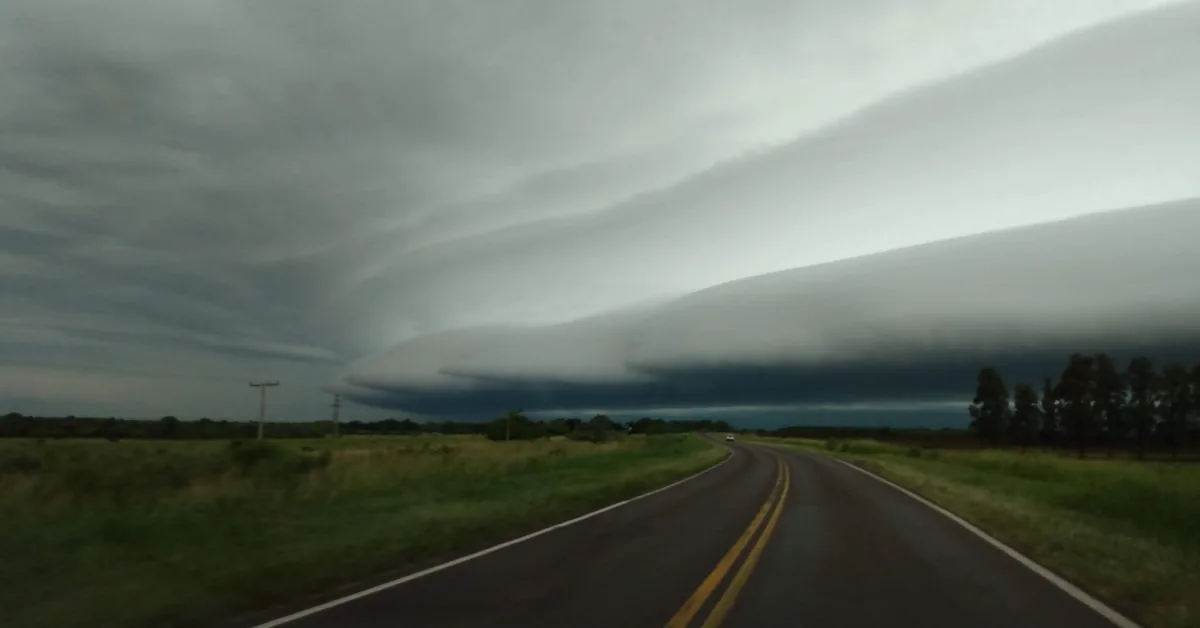
Pexels - Guillermo · original
In this article
Texas officials are urging homeowners to purchase flood insurance immediately as the Atlantic hurricane season approaches. The season officially runs from June 1 through November 30, and policies purchased through the National Flood Insurance Program (NFIP) typically have a 30-day waiting period before coverage begins. Acting now means your policy will be active before peak hurricane months arrive, protecting your home from potentially catastrophic flood damage that standard homeowners insurance does not cover.
Why the Urgent Call for Flood Insurance
Hurricane-driven flooding poses one of the most significant financial risks to Texas homeowners, particularly along the Gulf Coast and in low-lying inland areas. According to the Federal Emergency Management Agency (FEMA), just one inch of water inside a home can cause more than $25,000 in damage (FEMA, 2024).
Standard homeowners insurance policies explicitly exclude flood damage. Without separate flood coverage, homeowners bear the full cost of repairs, contents replacement, and temporary housing after a flood event. The 30-day NFIP waiting period means that purchasing coverage after a hurricane forms or makes landfall leaves your home unprotected during the immediate threat.
Who Needs Flood Insurance in Texas
While mortgage lenders require flood insurance for properties in FEMA-designated high-risk flood zones (Special Flood Hazard Areas, or SFHAs), officials recommend coverage for a much broader group. More than 20 percent of NFIP flood claims come from properties outside high-risk zones, according to the Insurance Information Institute (III, 2024).
Texas homeowners in moderate- to low-risk zones often face lower premiums while still gaining protection against hurricane storm surge, heavy rainfall flooding, and drainage system failures. Coastal counties including Harris, Galveston, Brazoria, and Cameron see elevated risk during hurricane season, but inland flooding from tropical systems can affect properties hundreds of miles from the coast.
Coverage Options and the 30-Day Rule
The National Flood Insurance Program, administered by FEMA, provides up to $250,000 in building coverage and $100,000 in contents coverage for residential properties. Private flood insurance has grown in recent years and may offer higher limits, additional living expense coverage, and coverage for property features NFIP excludes, such as detached structures and basement contents.
The 30-day waiting period applies to most new NFIP policies (exceptions exist for newly mapped high-risk areas and home purchases with new mortgages). This timeline makes early June the latest practical moment to secure coverage before the peak of hurricane season in August and September.
What to Do Now
Contact a licensed insurance agent who sells flood insurance or visit the NFIP website to obtain a quote. You will need your property address to determine your flood zone and premium. Review your coverage limits to ensure they reflect your home’s replacement cost and the value of your belongings. Consider whether additional contents coverage makes sense for your situation, as building-only policies do not cover furniture, electronics, or personal items damaged by floodwater.
Verify current requirements and available coverage options with the Texas Department of Insurance and a licensed agent familiar with your specific property and flood risk. Coverage rules, premiums, and flood zone designations can change, particularly after FEMA updates flood maps or following major storm events.
Financial Disclaimer: This article provides general educational information about flood insurance in the United States and is not personalized insurance, financial, or legal advice. Coverage requirements, premiums, and availability vary by property location, flood zone designation, and individual circumstances. Always consult a licensed insurance agent and your mortgage lender to determine the appropriate coverage for your specific situation. Information is current as of June 2026; verify all details with the National Flood Insurance Program, a licensed agent, and your state Department of Insurance before making coverage decisions.
Sources
- Flood Insurance (accessed )
- Consumer Information (accessed )
- Insurance Information Institute (accessed )
Related articles
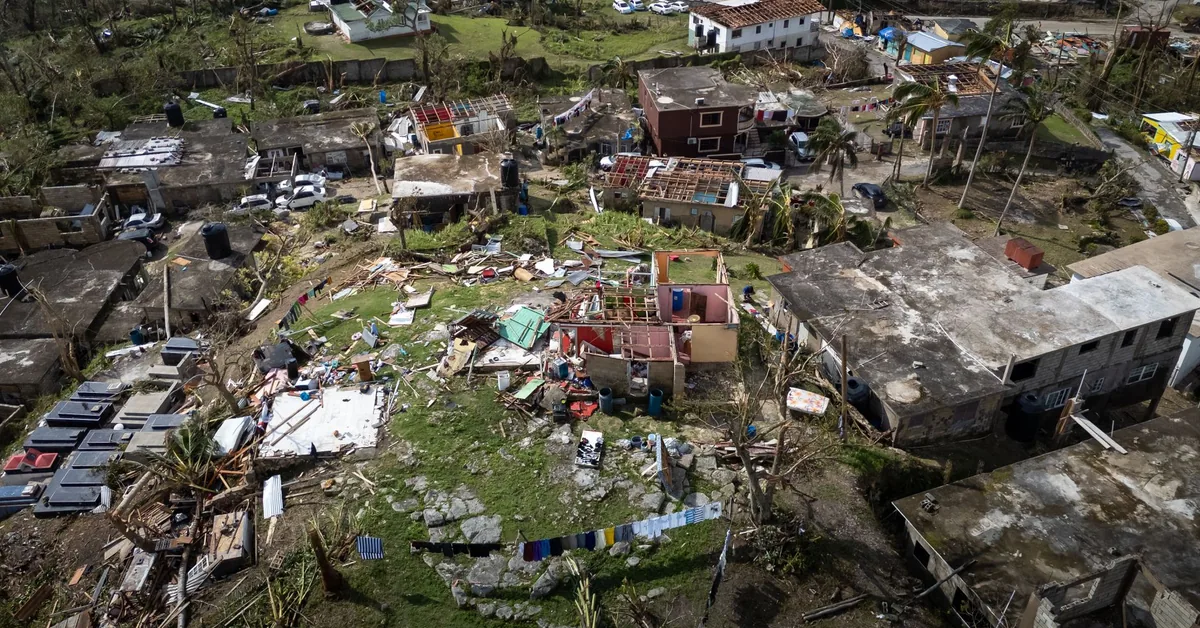
Flood Insurance During Hurricane Season in the US: What North Carolina Residents Should Know
Hurricane season is here. North Carolina officials urge residents to consider flood insurance. Standard homeowners policies don't cover floods.
Flood Insurance for South Florida Homeowners: Weighing Hurricane Season Risks in the US
South Florida homeowners face flood insurance decisions as hurricane season nears. Learn NFIP coverage, costs, and when protection is required.
Should You Buy Flood Insurance Before Hurricane Season in Texas?
Texas officials warn homeowners to buy flood insurance now. NFIP policies have a 30-day wait, leaving those who delay unprotected during hurricane season.
