Understanding Flood Insurance for Hurricane Season in the US
Hurricane season brings flooding risk that standard homeowners policies do not cover. Learn why federal flood insurance matters and how to secure coverage before the next storm.
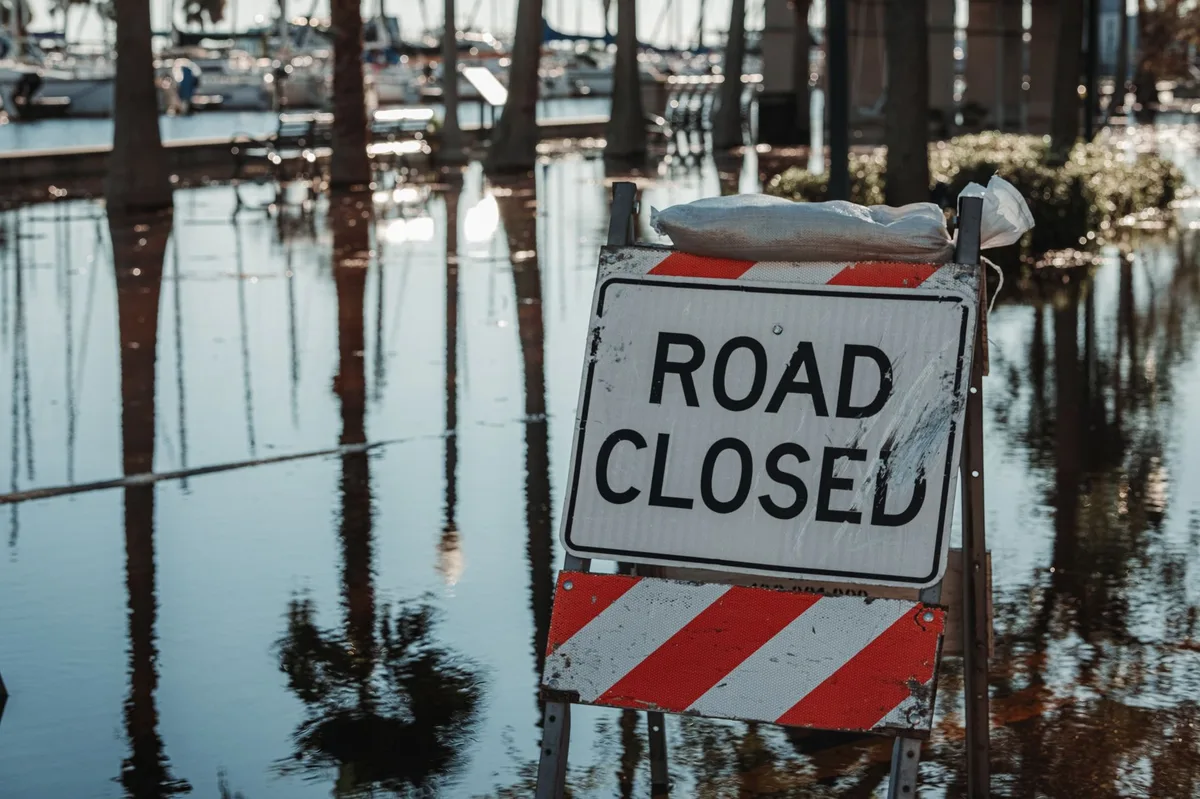
Pexels - Connor Scott McManus · original
In this article
Key Takeaway: Standard homeowners insurance policies exclude flood damage, even during hurricanes. The National Flood Insurance Program (NFIP) administered by FEMA provides federal flood coverage for homes and contents, with a mandatory 30-day waiting period before policies take effect. Hurricane-prone states like North Carolina, Florida, Texas, and Louisiana face elevated flood risk each season, making early action critical for protecting property and financial stability.
The Coverage Gap Hurricane Season Exposes
Hurricane season runs from June 1 through November 30 in the Atlantic basin, bringing storm surge, heavy rainfall, and inland flooding to coastal and low-lying communities across the United States. For millions of homeowners, the greatest financial vulnerability is not wind damage, which standard homeowners (HO-3) policies typically cover, but flood damage, which those same policies categorically exclude.
According to the Insurance Information Institute, flooding is the most common and costly natural disaster in the United States, yet fewer than 15 percent of homeowners carry flood insurance outside of federally designated high-risk flood zones (III, 2026). When hurricanes push storm surge inland or drop feet of rain in a matter of hours, uninsured homeowners face catastrophic out-of-pocket losses: ruined structures, destroyed personal property, and no insurance payout to rebuild.
North Carolina officials, along with state insurance regulators and emergency managers in every Atlantic and Gulf Coast state, emphasize flood insurance as the single most effective financial safeguard for hurricane season. The federal National Flood Insurance Program (NFIP) makes coverage available nationwide, regardless of flood zone designation, and private insurers increasingly offer supplemental or standalone flood policies with higher limits and faster claims service.
How Homeowners Insurance Treats Flood Damage
Homeowners insurance divides perils into covered and excluded categories. Wind, hail, fire, theft, and vandalism are covered under a standard HO-3 policy. Flood, defined as the overflow of inland or tidal waters, is excluded entirely. This exclusion applies whether the water comes from storm surge during a hurricane, riverine flooding after days of rain, or flash flooding from a single severe thunderstorm.
The exclusion creates a critical gap. A homeowner whose roof is torn off by hurricane winds and whose interior suffers rain damage through that opening will receive coverage for both the roof and the water intrusion, because the water entered due to a covered peril (wind). A homeowner whose home floods when storm surge breaches seawalls or when rivers overflow their banks will receive nothing from their homeowners policy, because the water came from the ground, not through a wind-damaged opening.
As covered in Principles of Finance (OpenStax, 2022), insurance exists to transfer risk the individual cannot bear alone. For flood risk, that transfer mechanism in the US is overwhelmingly the NFIP, created by Congress in 1968 after private insurers exited the flood market due to catastrophic losses and unpredictable exposure (NAIC, 2026).
The National Flood Insurance Program and How It Works
The NFIP, administered by the Federal Emergency Management Agency (FEMA), offers flood insurance policies through a network of private insurers and agents acting on behalf of the federal government. Coverage is available to homeowners, renters, and business owners in communities that participate in the NFIP by adopting and enforcing floodplain management ordinances (FEMA, 2026).
NFIP policies provide up to $250,000 in building coverage for residential structures and up to $100,000 for contents (personal property). Renters can purchase contents-only coverage. Policies cover the structure’s foundation, electrical and plumbing systems, HVAC equipment, appliances, and permanently installed fixtures. Contents coverage is actual cash value, not replacement cost, meaning depreciation reduces payouts for personal belongings.
The program uses flood zone maps to set premiums. Properties in Special Flood Hazard Areas (SFHAs), also called the 100-year floodplain, face a 1 percent annual chance of flooding and pay higher premiums. Properties outside high-risk zones pay lower preferred-risk rates. Critically, anywhere it can rain, it can flood: FEMA data show that more than 20 percent of flood claims come from properties outside SFHAs.
NFIP policies carry a mandatory 30-day waiting period from the date of purchase to the effective date of coverage. This waiting period prevents last-minute purchases as a named storm approaches. For hurricane-prone states, the implication is clear: flood insurance must be secured well before hurricane season begins, not when a tropical system enters the forecast cone.
Why Hurricane States Face Elevated Risk
North Carolina, Florida, Louisiana, Texas, South Carolina, Georgia, Virginia, and other Atlantic and Gulf Coast states experience the majority of US hurricane landfalls and associated flood losses. Storm surge, the abnormal rise of water pushed inland by hurricane winds, can exceed 15 feet for major hurricanes, inundating coastal communities miles from the shoreline. Inland areas face flood risk from prolonged rainfall: Hurricane Florence (2018) dropped more than 30 inches of rain on parts of North Carolina, causing catastrophic riverine flooding weeks after the storm passed.
Read also: Should You Have Flood Insurance Even in a Calm Hurricane Season in the US?
State Departments of Insurance in these jurisdictions issue annual reminders that homeowners insurance alone does not protect against hurricane flooding. North Carolina Insurance Commissioner guidance, consistent with NAIC consumer education materials, emphasizes that even homes outside mapped flood zones should evaluate coverage, particularly as climate patterns shift historical flood boundaries and intense rainfall events become more frequent.
For mortgage holders in SFHAs, flood insurance is not optional. Federally backed mortgages from lenders regulated by the Federal Housing Finance Agency (FHFA) require NFIP coverage as a condition of the loan. For homeowners outside SFHAs or those who own their homes outright, the decision is voluntary, but the financial exposure remains real.
Private Flood Insurance as a Supplement or Alternative
Over the past decade, private insurers have reentered the flood insurance market, offering policies that often provide higher coverage limits, replacement cost for contents, and additional living expenses (ALE) not covered under NFIP policies. Private flood policies can serve as standalone coverage or as excess coverage layered over an NFIP policy.
Private flood insurance does not carry the NFIP 30-day waiting period in all cases, and some insurers offer same-day or next-day effective dates, though this varies by carrier and underwriting. Premiums for private flood policies are determined by proprietary risk models rather than NFIP rate maps, which can result in lower premiums for some properties and higher premiums for others.
Homeowners should compare NFIP and private flood options before hurricane season, confirming that any private policy meets lender requirements if a mortgage is in place.
Practical Steps to Secure Coverage
Homeowners in hurricane-prone states should contact a licensed insurance agent well before June 1 to discuss flood insurance options. Agents can provide NFIP quotes through the FEMA FloodSmart program or quotes from private carriers. The agent will need the property address, construction details (foundation type, number of floors, basement or crawl space), and the property’s flood zone designation from FEMA flood maps.
Renters should inquire about NFIP contents-only coverage, which protects personal belongings without insuring the building structure itself. Contents policies also carry the 30-day waiting period.
For properties in SFHAs, securing coverage before the waiting period expires is essential. For properties outside SFHAs, the lower preferred-risk premiums (often a few hundred dollars annually) make flood insurance a cost-effective hedge against an unpredictable peril.
Hurricane seasons vary in intensity, but flood risk persists regardless of named storm frequency. A single landfalling hurricane or tropical storm can produce flood losses exceeding billions of dollars across multiple states, as seen with Hurricanes Katrina (2005), Harvey (2017), Florence (2018), and Ian (2022).
Conclusion
Hurricane season exposes a fundamental gap in standard homeowners insurance: flood damage is not covered. For US homeowners, particularly in Atlantic and Gulf Coast states like North Carolina, understanding this exclusion and securing NFIP or private flood insurance before the 30-day waiting period expires is the single most effective step to protect property and financial stability. Coverage rules, premiums, and flood zone designations vary by location, so consult a licensed insurance agent and review your state Department of Insurance resources to confirm the coverage that fits your personal situation and risk profile.
Financial Disclaimer: This article provides general educational information about flood insurance and does not constitute personalized insurance, financial, or legal advice. Coverage rules, premiums, flood zone designations, and policy terms vary by location, property characteristics, and insurer. Consult a licensed insurance agent and your state Department of Insurance to confirm current requirements and options for your specific situation before purchasing coverage.
Sources
- Flood Insurance (accessed )
- Homeowners Insurance Coverage Guide (accessed )
- Consumer Insurance Information (accessed )
- Principles of Finance (accessed )
Related articles
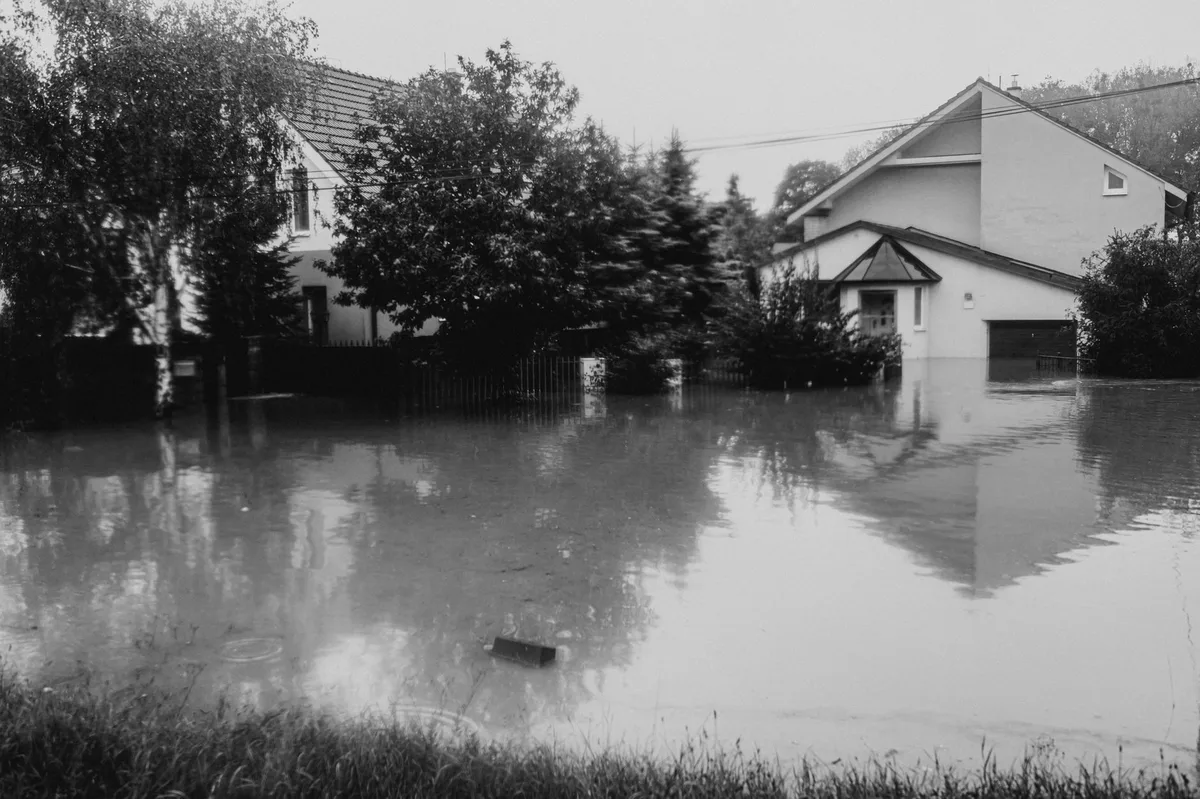
Should You Have Flood Insurance Even in a Calm Hurricane Season in the US?
A calm hurricane season does not mean you should skip flood insurance. Learn when NFIP coverage is required and why homeowners policies exclude flood damage.
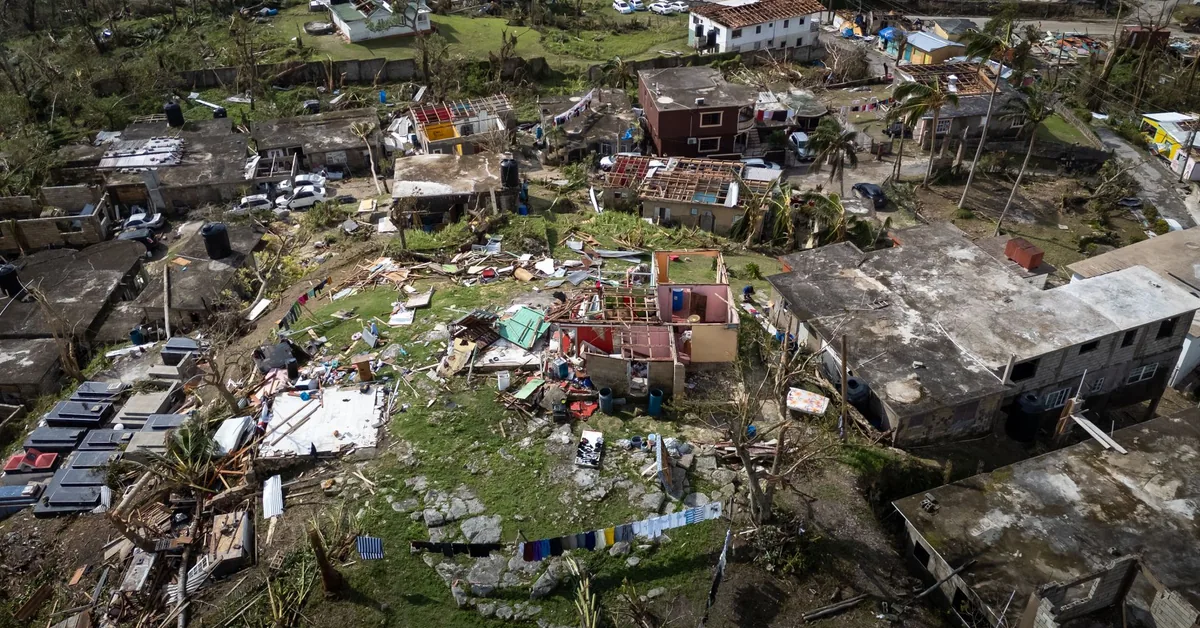
Flood Insurance During Hurricane Season in the US: What North Carolina Residents Should Know
Hurricane season is here. North Carolina officials urge residents to consider flood insurance. Standard homeowners policies don't cover floods.
How to Secure Flood Insurance Before Hurricane Season in the US
Learn how to secure flood insurance before hurricane season in the US. Understand waiting periods, NFIP vs private options, and coverage essentials.
