Do I Need Flood Insurance for My Home in the US?
Most homeowners policies exclude flood damage. Whether you need separate flood insurance depends on your location, mortgage requirements, and personal risk tolerance.
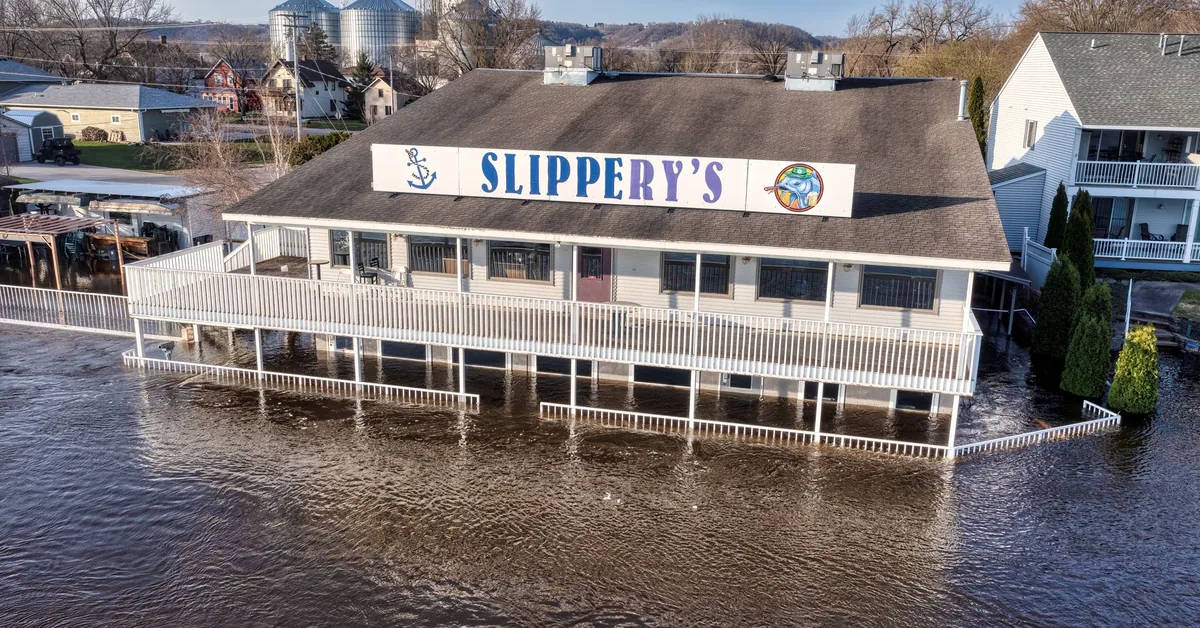
Pexels - Tom Fisk
In this article
Key Takeaway
Standard homeowners insurance does not cover flood damage. You need separate flood insurance if you live in a high-risk flood zone and have a federally backed mortgage, or if you want financial protection against rising water damage regardless of location. Flood insurance is available through the National Flood Insurance Program (NFIP) and some private insurers, with a typical 30-day waiting period before coverage begins.
When Flood Insurance Is Required
If you have a mortgage from a federally regulated or insured lender and your home sits in a Special Flood Hazard Area (also called a high-risk or 100-year flood zone), your lender will require you to carry flood insurance. According to FEMA, these zones have at least a 1 percent annual chance of flooding. The requirement applies until your mortgage is paid off or you refinance with a lender that does not require it.
Properties outside designated high-risk zones are not subject to mandatory flood insurance, even with a mortgage. However, more than 20 percent of flood insurance claims come from moderate- to low-risk areas, where coverage is optional but often less expensive.
What Standard Homeowners Policies Exclude
A typical homeowners (HO-3) policy covers many perils, including windstorm, fire, theft, and certain types of water damage from burst pipes or roof leaks. It does not cover damage caused by rising water, storm surge, heavy rain runoff, or overflow from bodies of water. That exclusion applies nationwide, regardless of your flood zone designation. Without separate flood insurance, you pay out of pocket to repair or replace your home and belongings after a flood.
How to Get Flood Insurance
The National Flood Insurance Program (NFIP), administered by FEMA, offers coverage in participating communities across the United States. You purchase NFIP policies through licensed insurance agents, not directly from the federal government. NFIP policies cover up to $250,000 for the building structure and up to $100,000 for personal property (as of June 2026; verify current limits with a licensed agent before deciding).
Some private insurers also sell flood policies, which may offer higher coverage limits, lower deductibles, or additional living expenses coverage not included in standard NFIP policies. Compare quotes and policy terms from both NFIP and private carriers.
Cost and Waiting Periods
Premiums vary by location, flood zone, building elevation, construction type, and coverage amount. Homes in high-risk zones generally pay higher premiums than those in moderate- or low-risk zones. Most flood insurance policies have a 30-day waiting period before coverage takes effect, so buying a policy as a hurricane approaches will not provide immediate protection.
Deciding If You Need It
Ask yourself: Can you afford to rebuild or repair your home with savings if a flood destroys it? If the answer is no, flood insurance is worth considering even if your lender does not require it. Climate patterns, development, and aging infrastructure can shift flood risk over time, and areas once considered safe may face increased exposure.
Check your property’s flood zone designation using FEMA’s Flood Map Service Center and discuss your specific situation with a licensed insurance agent in your state. Verify coverage requirements and current policy terms with your state Department of Insurance before making a final decision.
Financial Disclaimer: This article provides general educational information about flood insurance in the United States and is not personalized insurance, financial, or legal advice. Coverage requirements, premiums, policy limits, and flood zone designations vary by location and individual circumstances. Verify current terms, requirements, and availability with a licensed insurance agent and your state Department of Insurance before purchasing or declining flood insurance. Consult a licensed professional for advice specific to your situation.
Sources
- Flood Insurance (accessed )
- Insurance Information Institute (accessed )
- Consumer Education (accessed )
Related articles
How to Buy Flood Insurance Before Hurricane Season in Houston
Houston homeowners must act now to buy flood insurance before hurricane season. Learn the 30-day waiting period, NFIP coverage, and how to get protected.
How to Estimate Your NFIP Flood Insurance Premium by Flood Zone in the US
Learn how FEMA flood zones affect your NFIP premium and estimate your annual flood insurance cost with our interactive calculator.
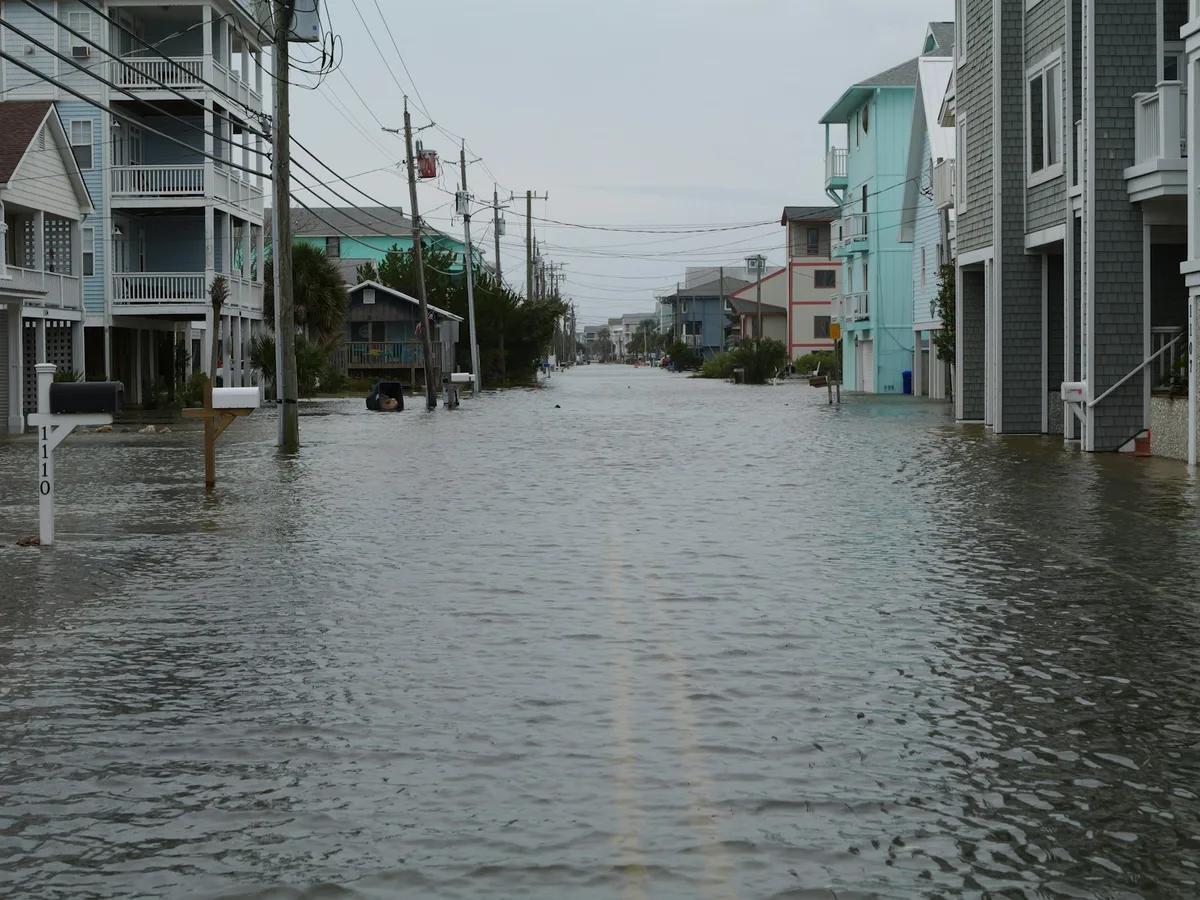
7 Flood Insurance Gaps Homeowners Discover During Hurricane Season in the US
Discover the 7 critical flood insurance gaps US homeowners find during hurricane season, from NFIP limits to basement exclusions.
