Can You Get Flood Insurance Before a Storm? What Houston Homeowners Should Know During Hurricane Season in the US
Learn about the 30-day waiting period for flood insurance, exceptions during hurricane season, and critical timing rules Houston homeowners must understand before storm season arrives.
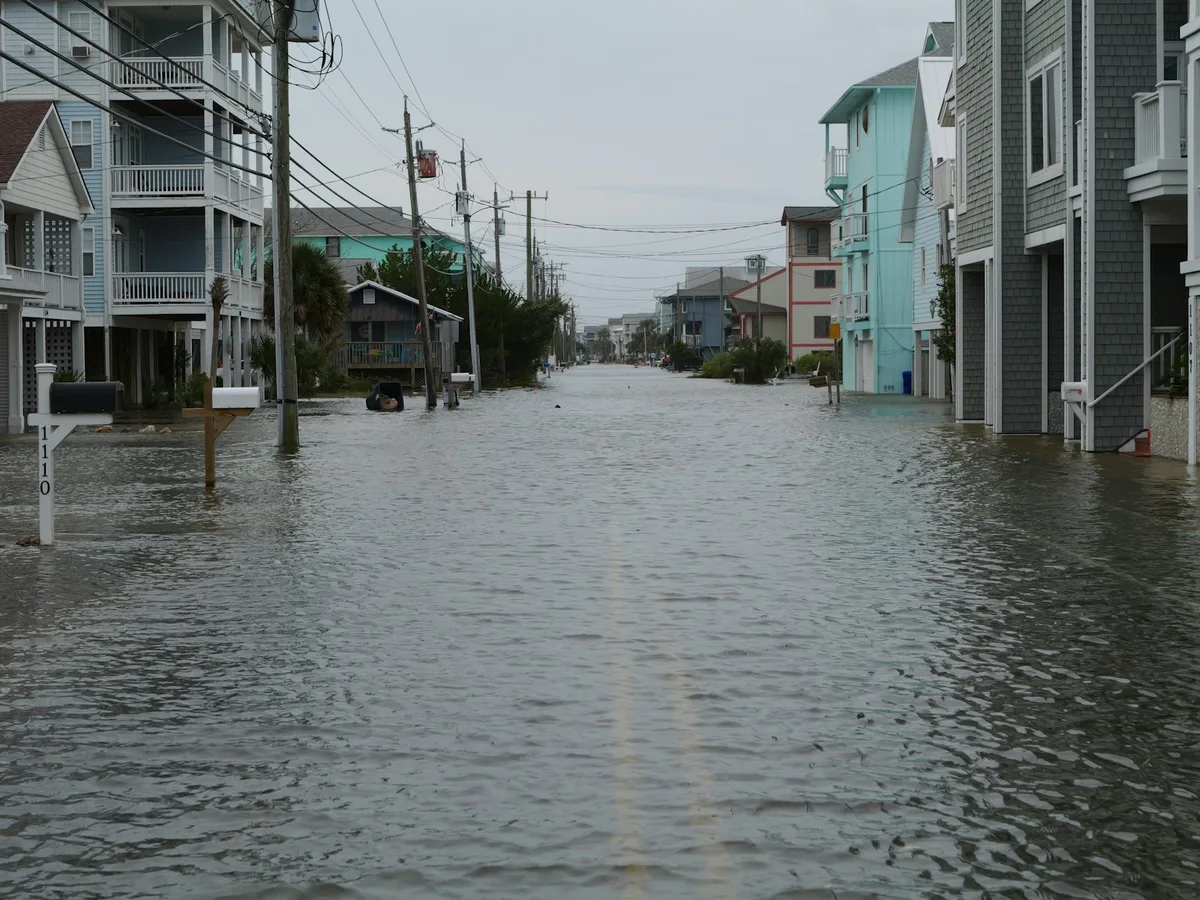
Unsplash - Richard R · original
In this article
The short answer: You can purchase flood insurance before a storm, but a mandatory 30-day waiting period usually applies before coverage begins. Once a storm is named and approaching your area, insurers may stop accepting new applications. Houston homeowners should secure NFIP or private flood coverage well before hurricane season starts in June to ensure protection when storms threaten.
Living in Houston means preparing for hurricane season every year. As storms develop in the Gulf of Mexico, many homeowners rush to secure flood insurance, only to discover they may already be too late. The National Flood Insurance Program (NFIP), which provides the majority of flood coverage in the United States, imposes strict timing rules that can leave unprepared homeowners without protection when they need it most.
Understanding when and how to obtain flood insurance before a storm arrives is critical for protecting your home and financial security. This guide walks Houston homeowners through the waiting periods, exceptions, and strategic timing needed to ensure coverage during hurricane season.
What You Will Learn
By the end of this article, you will understand the 30-day waiting period rule for flood insurance, the limited exceptions that allow faster coverage, when insurers stop accepting applications as storms approach, and the specific steps Houston homeowners should take before and during hurricane season to secure comprehensive flood protection through NFIP or private carriers.
Understanding the 30-Day Waiting Period
The NFIP enforces a mandatory 30-day waiting period between when you purchase a flood insurance policy and when coverage becomes effective. According to FEMA, this waiting period applies to most voluntary flood insurance purchases and exists to prevent homeowners from waiting until a storm is approaching before buying coverage (FEMA, 2026).
This means if you purchase flood insurance on May 1, your coverage will not begin until May 31. If a hurricane strikes Houston on May 15, any flood damage to your home would not be covered, even though you had already purchased the policy and paid the premium.
The waiting period applies to both building coverage and contents coverage under NFIP policies. There is no way to pay extra to waive or shorten this standard waiting period for voluntary purchases.
Exceptions to the 30-Day Waiting Period
While the 30-day rule applies in most cases, NFIP recognizes three specific exceptions that allow coverage to begin immediately or within a shorter timeframe:
New mortgage requirement: If you are purchasing or refinancing a home and your lender requires flood insurance as a condition of the loan, coverage begins on the loan closing date or the policy effective date, whichever is later. This exception only applies when flood insurance is legally required by the lender, not when you voluntarily choose to purchase it.
Map revisions: If your property is newly mapped into a high-risk flood zone (Special Flood Hazard Area), you have a one-time 13-month window to purchase coverage with only a one-day waiting period instead of 30 days. This exception recognizes that the increased flood risk was recently identified and homeowners should not be penalized for acting quickly.
Policy renewal: Renewing an existing flood insurance policy has no waiting period. Coverage continues uninterrupted as long as you renew before the policy expires and there is no lapse in coverage.
These exceptions are narrowly defined. Simply wanting coverage before a storm arrives does not qualify for an exception.
What Happens When a Storm Is Approaching
Insurance companies, including the NFIP, closely monitor tropical storm and hurricane forecasts. When a storm is named by the National Hurricane Center and projected to impact your area within a certain timeframe (often 24 to 48 hours), insurers typically stop accepting new flood insurance applications for properties in the projected impact zone.
For Houston homeowners, this means once a hurricane enters the Gulf of Mexico and forecasts show potential landfall along the Texas coast, it may become impossible to purchase new flood coverage until after the storm passes and the moratorium is lifted.
This application freeze applies to both NFIP policies and most private flood insurance carriers. The freeze remains in effect until the storm threat has passed, which can extend for days or weeks if multiple storms develop in succession during an active hurricane season.
Even if you submit an application before the freeze, the 30-day waiting period still applies. An application submitted three days before a hurricane hits would not provide coverage for that storm, even if the insurer accepted the application.
How to Purchase NFIP Flood Insurance Before Hurricane Season
Houston homeowners should secure flood insurance well before June 1, when the Atlantic hurricane season officially begins. Follow these steps to obtain NFIP coverage with adequate time before storms threaten:
Step 1: Contact an insurance agent who sells NFIP policies. Flood insurance is not included in standard homeowners insurance and must be purchased separately. Most property and casualty insurance agents can sell NFIP policies, or you can find an agent through the NFIP referral system.
Step 2: Determine your flood zone. Your agent can help you identify whether your property is in a Special Flood Hazard Area (high-risk zone requiring flood insurance for federally backed mortgages) or a moderate-to-low-risk zone. Houston has extensive areas within high-risk zones due to proximity to the Gulf Coast, bayous, and areas with poor drainage.
Step 3: Choose coverage amounts. NFIP policies provide up to $250,000 in building coverage and up to $100,000 in contents coverage for residential properties. Your agent will help you determine appropriate coverage based on your home’s replacement cost and your personal property value.
Step 4: Complete the application and pay the premium. NFIP premiums are set by federal regulation and are generally the same across authorized agents for the same coverage amount and property characteristics.
Step 5: Wait 30 days for coverage to begin. Mark your calendar for when coverage becomes effective. Do not assume you are protected until the waiting period has passed.
Ideally, purchase flood insurance by late April to ensure coverage is active before the June 1 start of hurricane season.
Private Flood Insurance as an Alternative
Private flood insurance companies operate in the US market and offer an alternative to NFIP coverage. Private policies may offer higher coverage limits, additional coverage options, and sometimes more competitive premiums than NFIP, depending on your property’s specific flood risk.
Read also: How to Buy Flood Insurance Before Hurricane Season in Houston
However, private insurers also generally enforce a 30-day waiting period and will stop accepting applications when a named storm threatens your area. Some private insurers offer a 15-day waiting period under certain circumstances, but this is not guaranteed and varies by carrier.
Private flood insurance can be particularly valuable for Houston homeowners with higher-value homes that exceed NFIP coverage limits or those seeking coverage for additional structures or personal property beyond NFIP caps.
As foundational texts such as Principles of Finance explain, insurance operates on the principle of spreading risk across many policyholders to protect individuals from catastrophic financial loss. Both NFIP and private flood insurance serve this function, but with different policy structures and pricing models.
What to Do If You Miss the Coverage Window
If hurricane season arrives and you do not have flood insurance, or if a storm is approaching and you cannot purchase coverage in time, focus on these protective measures:
Document your property and possessions with photos and videos before the storm. This documentation will be essential for any insurance claims on other policies (such as wind damage covered by homeowners insurance) and for disaster assistance applications.
Move valuable items to higher floors if possible. Floodwater typically enters from ground level, so relocating electronics, documents, and valuables to upper stories can reduce losses.
Apply for federal disaster assistance if a disaster is declared. FEMA Individual Assistance provides grants for temporary housing, home repairs, and other disaster-related expenses, but these grants are typically much smaller than flood insurance payouts and must be repaid if you later receive insurance proceeds for the same damage.
According to the Insurance Information Institute, the average FEMA disaster grant is approximately $5,000, while the average NFIP flood insurance claim payout is over $30,000 (III, 2026). This significant difference demonstrates why flood insurance is critical for comprehensive financial protection.
Common Mistakes Houston Homeowners Make
Assuming homeowners insurance covers flood damage: Standard homeowners insurance policies specifically exclude flood damage. You must purchase separate flood insurance through NFIP or a private carrier.
Waiting until a storm is in the forecast: The 30-day waiting period and application freezes mean this strategy will leave you unprotected. Purchase coverage during the off-season (November through April).
Believing flood insurance is only necessary in high-risk zones: Houston’s 2017 experience with Hurricane Harvey demonstrated that significant flooding can occur well outside mapped high-risk flood zones. Over 40 percent of Harvey flood insurance claims came from outside high-risk areas.
Letting coverage lapse: If you cancel flood insurance or let it lapse, you lose the renewal exception and will face a new 30-day waiting period if you repurchase coverage.
Underestimating coverage needs: Many homeowners purchase minimum coverage to satisfy lender requirements but carry insufficient coverage to fully rebuild after a major flood event.
Frequently Asked Questions
Can I buy flood insurance during hurricane season?
Yes, as long as no named storm is currently approaching your area. The 30-day waiting period still applies, so coverage purchased in July would not be effective until August.
Does wind damage from hurricanes require separate flood insurance?
No. Wind damage is typically covered by your homeowners insurance policy. Flood insurance covers rising water that enters your home from ground level, rainfall that enters through a damaged roof, or water pushed ashore by storm surge.
How much does NFIP flood insurance cost in Houston?
Premiums vary significantly based on your property’s flood zone, elevation, age, and coverage amount. Average premiums in high-risk zones range from $700 to over $2,000 annually as of 2026. Properties in moderate-to-low-risk zones may qualify for Preferred Risk Policies with lower premiums.
What if I rent my home instead of owning it?
Renters can purchase NFIP contents-only coverage to protect personal belongings, with the same 30-day waiting period. Your landlord’s flood insurance covers only the building structure, not your possessions.
Are there income-based assistance programs for flood insurance premiums?
Currently, NFIP does not offer premium subsidies based on income, though some older policies grandfathered under previous rating systems pay lower premiums. Advocacy groups continue to push for affordability programs.
Conclusion
For Houston homeowners, the question is not whether to buy flood insurance, but when. The 30-day waiting period and application freezes during approaching storms make advance planning essential. Purchase NFIP or private flood coverage well before hurricane season begins in June, ideally by late April, to ensure protection when storms develop in the Gulf.
If you do not currently have flood insurance, contact a licensed insurance agent this week to discuss your options and begin the application process. Do not wait for the next storm forecast to appear, as coverage purchased under pressure from an approaching hurricane will not protect your home from that specific event.
Review your current coverage limits annually to ensure they remain adequate as your home’s value and contents change over time. Verify that your policy will renew without lapse, maintaining continuous coverage and avoiding a new waiting period.
Financial Disclaimer: This article provides general educational information about flood insurance in the United States and is not personalized insurance, financial, or legal advice. Flood insurance requirements, coverage options, premiums, and program rules vary by property location, flood zone, policy type, and individual circumstances. Federal and state regulations, as well as NFIP program rules, change periodically. Before purchasing flood insurance or making coverage decisions, consult with a licensed insurance agent and verify current program requirements with your state Department of Insurance and FEMA. Coverage rules and premiums mentioned are accurate as of October 2026 but are subject to change.
Sources
- Flood Insurance (accessed )
- Flood Insurance Basics (accessed )
- Consumer Insurance Information (accessed )
- Principles of Finance (accessed )
Related articles
How to Buy Flood Insurance Before Hurricane Season in Houston
Houston homeowners must act now to buy flood insurance before hurricane season. Learn the 30-day waiting period, NFIP coverage, and how to get protected.
How to Secure Flood Insurance Before Hurricane Season in the US
Learn how to secure flood insurance before hurricane season in the US. Understand waiting periods, NFIP vs private options, and coverage essentials.
Should You Buy Flood Insurance Before Hurricane Season in Texas?
Texas officials warn homeowners to buy flood insurance now. NFIP policies have a 30-day wait, leaving those who delay unprotected during hurricane season.
