Flood Insurance 30-Day Waiting Period in the US: Why to Buy Now Before Next Season
NFIP flood insurance comes with a mandatory 30-day waiting period before coverage starts, leaving you unprotected if you wait until storms approach.

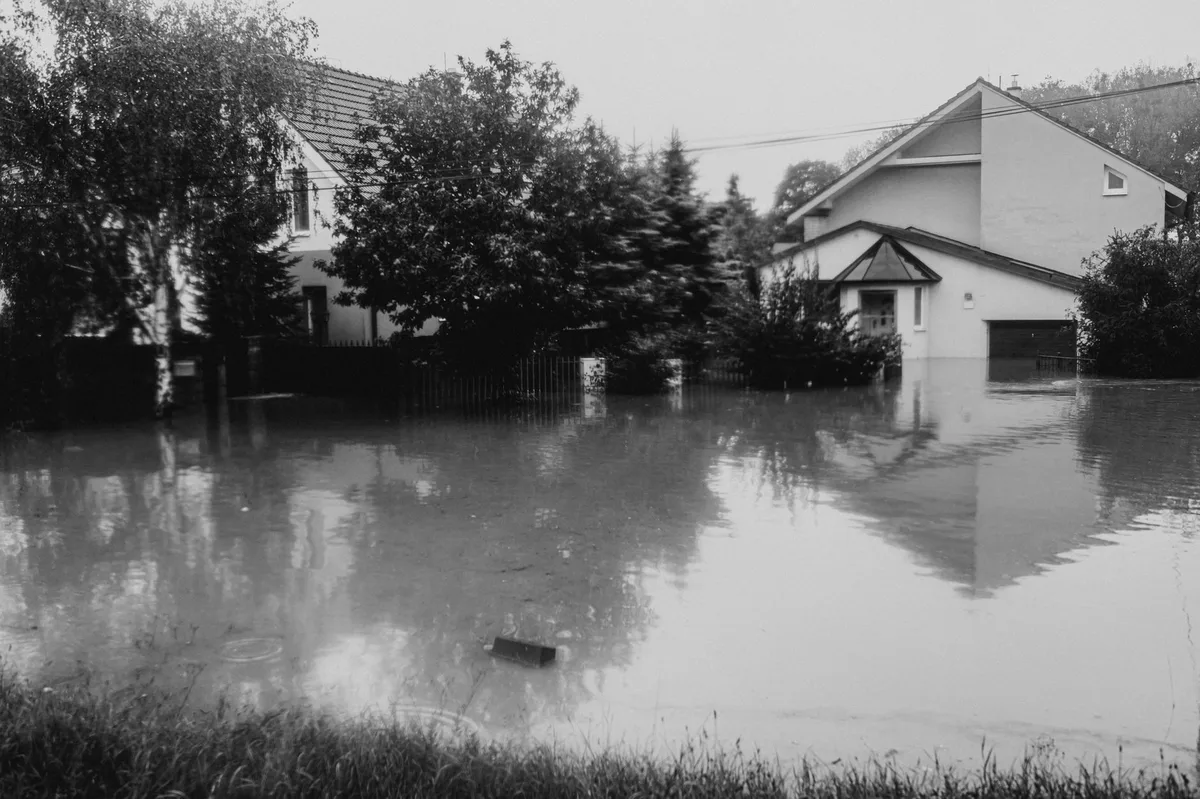
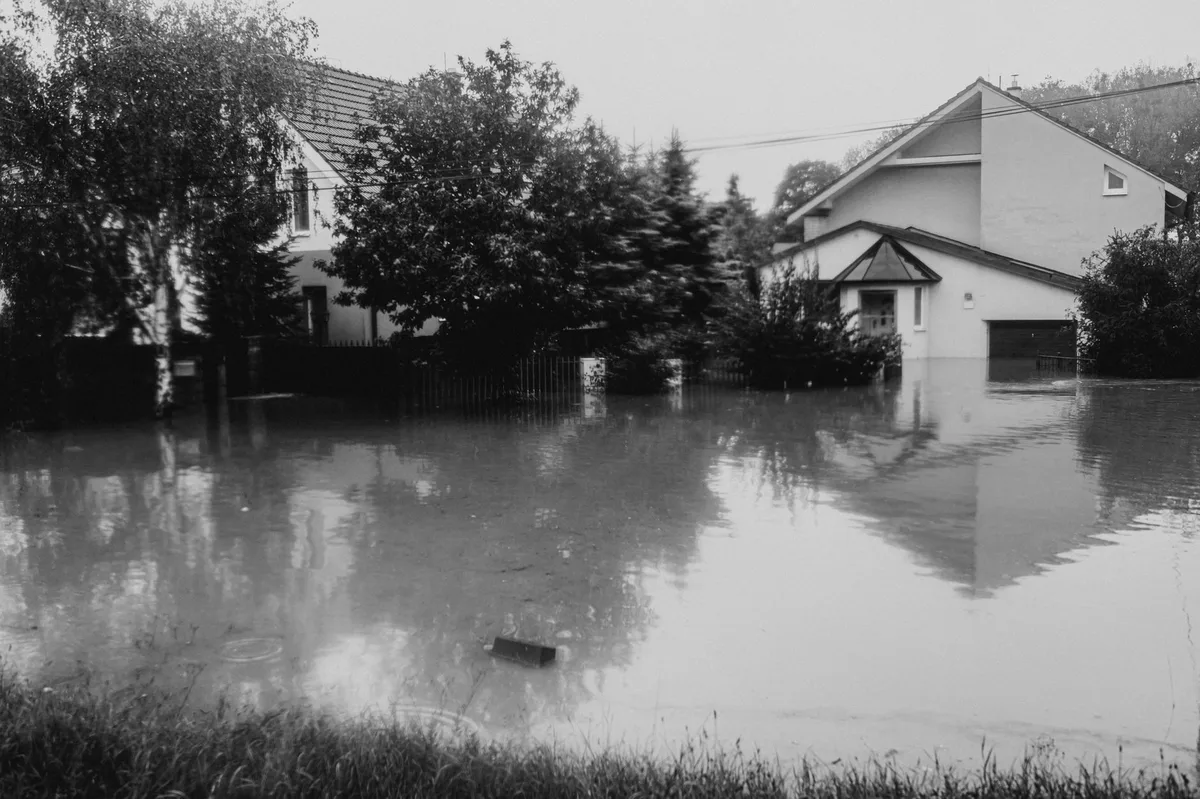
Pexels - Connor Scott McManus · original
In this article
Most flood insurance policies in the United States require a 30-day waiting period before coverage takes effect. If you purchase a policy today, you will not be protected from flood damage for a full month. This means waiting until hurricane season starts or heavy rains are forecasted leaves you completely exposed. Buying flood insurance now, before the next flood season arrives, ensures your home and belongings are covered when storms hit.
What the 30-Day Waiting Period Means
According to the Federal Emergency Management Agency (FEMA), National Flood Insurance Program (NFIP) policies typically begin 30 days after purchase and premium payment. This waiting period applies whether you buy through the NFIP or a private flood insurer (though some private insurers offer shorter waiting periods, you should verify terms with each carrier).
The 30-day rule prevents people from purchasing coverage only after a storm is announced, which would create unsustainable risk for the insurance pool. Once a tropical system forms or flood watches are issued, it is already too late to get protected for that event.
Exceptions to the Waiting Period
A few situations allow immediate or shorter waiting periods:
- Home purchase closing: If flood insurance is required by your mortgage lender and you purchase the policy at or before closing, coverage typically starts immediately or within a few days.
- Map changes: When FEMA remaps your area into a high-risk flood zone, you may qualify for coverage with a shorter wait if you act within a specific window after the map revision.
- Policy renewal or increase: Renewing an existing NFIP policy or increasing your coverage on an active policy does not restart the waiting period for the base coverage amount.
These exceptions are narrow. For most homeowners buying a new policy outside of a home sale, the full 30-day wait applies.
Why Buying Before Flood Season Protects You
Flood seasons vary by US region. Atlantic hurricane season runs June 1 through November 30. Midwest river flooding peaks in spring. West Coast atmospheric rivers hit hardest from late fall through early spring. Purchasing flood insurance at least 30 days before your region’s typical flood season starts ensures you are covered when storms arrive.
Read also: How to Buy Flood Insurance Before Hurricane Season in Houston
Waiting until weather forecasts turn ominous creates a coverage gap. If you buy a policy on May 25 as hurricane season begins, your coverage will not start until June 24, leaving you unprotected for nearly the entire first month of the season. Many major hurricanes and flood events occur in that early window.
The Cost of Waiting
Flood damage is not covered by standard homeowners or renters insurance. Without a separate flood policy, you face the full cost of repairs, temporary housing, and replacing damaged belongings out of pocket. Federal disaster assistance, when declared, typically comes as a loan you must repay, not a grant, and the average FEMA individual assistance payment is far below the cost of repairing a flooded home (Insurance Information Institute).
As covered in foundational risk management texts such as Principles of Finance (OpenStax, 2022), transferring risk through insurance before a loss event occurs is a core strategy for protecting household financial stability. Waiting removes that protection at the moment you need it most.
What to Do Now
Contact a licensed insurance agent or visit FloodSmart.gov to request a flood insurance quote. Even if you live outside a mapped high-risk zone, over 20 percent of flood claims come from moderate- and low-risk areas, and coverage in those zones is often affordable.
Review your property’s flood risk using FEMA’s Flood Map Service Center, confirm your coverage needs with your agent, and purchase your policy at least 30 days before your region’s flood season begins. Verify your policy start date in writing and keep a copy of your declarations page accessible in case you need to file a claim.
State-specific requirements, premiums, and coverage limits vary. Contact your state Department of Insurance or a licensed insurance agent in your area for guidance tailored to your property and personal situation. This information is educational and general; it is not personalized insurance, financial, or legal advice.
Sources
- Flood Insurance (accessed )
- Insurance Information Institute (accessed )
- Consumer Information (accessed )
- Principles of Finance (accessed )
Related articles
How to Secure Flood Insurance Before Hurricane Season in the US
Learn how to secure flood insurance before hurricane season in the US. Understand waiting periods, NFIP vs private options, and coverage essentials.
Why Houston Homeowners Should Buy Flood Insurance Before Hurricane Season in the US
Houston homeowners must buy flood insurance now. NFIP policies have a 30-day wait before coverage starts. Learn why timing matters before hurricane season.
How to Buy Flood Insurance Before Hurricane Season in Houston
Houston homeowners must act now to buy flood insurance before hurricane season. Learn the 30-day waiting period, NFIP coverage, and how to get protected.
