California Home Insurance Premiums Surge 84% as Wildfire Risk Intensifies in the US
California homeowners face historic insurance cost increases as carriers respond to escalating wildfire exposure and catastrophic loss patterns across the state.
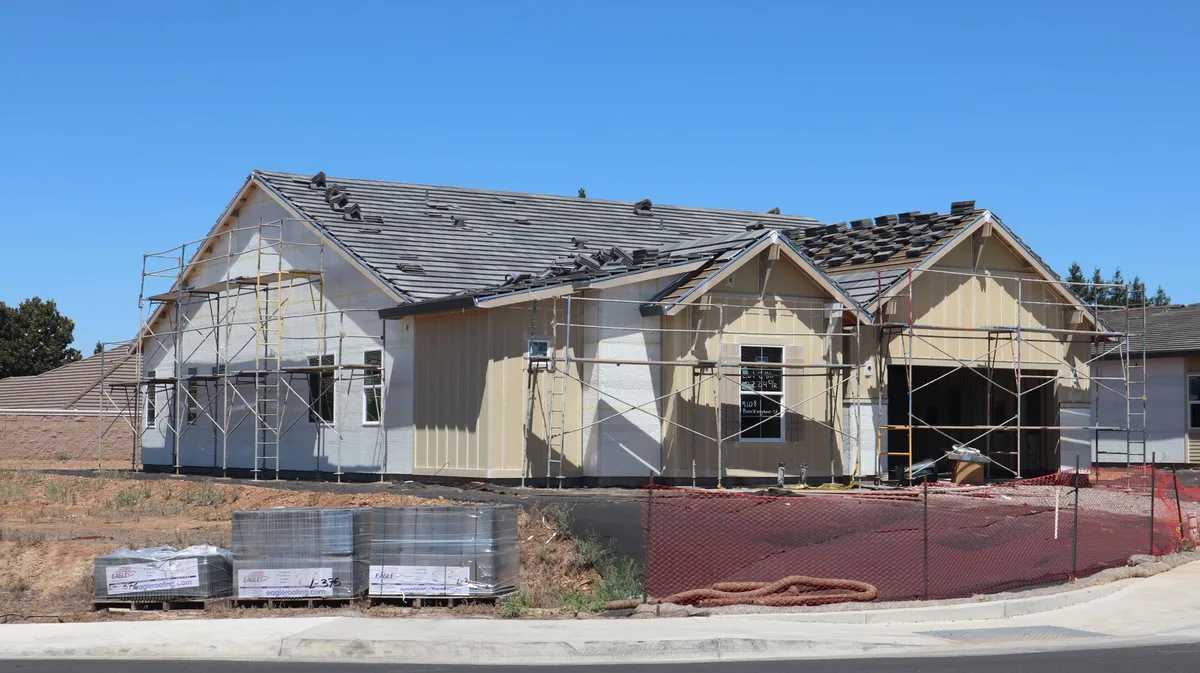
Pexels - D Goug · original
In this article
Key Takeaway
California homeowners insurance premiums have surged by 84% as carriers respond to unprecedented wildfire exposure across the state. Research indicates that escalating catastrophic losses, expanding wildfire-prone development, and climate-driven fire seasons are forcing insurers to raise rates dramatically, non-renew policies, or exit the California market entirely. Homeowners in high-risk zones face coverage gaps, reduced options, and the prospect of relying on the state’s insurer of last resort at significantly higher cost.
Introduction
California’s homeowners insurance market is in crisis. Premiums have spiked 84% in recent years as wildfires have burned millions of acres, destroyed tens of thousands of homes, and generated catastrophic insurance losses that have fundamentally reshaped how carriers assess risk and price coverage in the Golden State. The increase reflects a collision of climate realities, underwriting losses, and regulatory constraints that have left California homeowners with fewer options and dramatically higher costs.
The Wildfire Exposure Problem
California’s wildfire risk has intensified on multiple fronts. Fire seasons now start earlier, last longer, and burn with greater severity than historical patterns. The expansion of residential development into the wildland-urban interface (WUI), where homes meet flammable vegetation, has placed more insured property directly in harm’s way. According to the Insurance Information Institute, catastrophic wildfire losses in California have driven some of the largest insured loss events in US history, with individual fire seasons generating tens of billions in claims (III, 2024).
Carriers underwrite homeowners policies based on historical loss data, replacement cost models, and geographic risk assessments. When actual losses exceed pricing assumptions year after year, insurers must raise premiums to restore actuarial soundness or withdraw from markets where profitability cannot be achieved under current rate structures. California’s regulatory environment, which requires state approval for rate increases and has historically constrained how quickly carriers can adjust pricing, has contributed to a mismatch between premiums charged and losses paid, accelerating carrier exits.
Why Premiums Are Surging
The 84% premium increase reflects several converging pressures. First, replacement costs for homes have risen sharply due to construction material inflation, labor shortages, and supply chain disruptions, which increase the dwelling coverage limits carriers must provide and the claims they pay when homes are destroyed. Second, reinsurance costs have climbed steeply as global reinsurers, who backstop primary insurers against catastrophic losses, have repriced California wildfire risk and demanded higher premiums or reduced capacity. Third, carriers that remain in the California market are concentrating risk among fewer participants, which amplifies exposure and necessitates higher premiums to maintain reserves.
According to the National Association of Insurance Commissioners, homeowners insurance operates on thin profit margins, and catastrophic loss years can wipe out decades of underwriting income (NAIC, 2024). When carriers face sustained underwriting losses, they must either raise rates to cover expected claims or exit the market. California has seen both: major national carriers have stopped writing new policies or non-renewed tens of thousands of existing policyholders in high-risk ZIP codes, while remaining insurers have pushed through rate increases that reflect the true cost of wildfire exposure.
Impact on Homeowners
For California homeowners, the premium surge translates to immediate financial strain. A policy that cost $1,500 annually a few years ago may now exceed $2,700, with no change in coverage or claims history. Homeowners in high-risk areas, particularly in foothill and mountain communities, have faced non-renewals and must turn to the California FAIR Plan, the state’s insurer of last resort. The FAIR Plan provides basic fire coverage but at rates that can be double or triple the cost of traditional policies, and it does not include comprehensive perils like theft or liability without purchasing separate wraparound coverage.
The coverage gap extends beyond cost. Many homeowners find that available policies now include higher deductibles, lower coverage limits, or exclusions for certain perils. Some carriers have imposed stricter underwriting requirements, such as mandatory defensible space inspections, fire-resistant roofing materials, and ember-resistant vents, denying coverage to homes that do not meet enhanced wildfire mitigation standards. Homeowners who cannot obtain affordable coverage face difficult choices: self-insure and risk catastrophic out-of-pocket losses, sell and relocate to lower-risk areas, or accept minimal coverage that leaves significant financial exposure.
The Broader Insurance Market Context
California’s premium spike is part of a national trend in catastrophe-exposed markets. Coastal states face similar dynamics with hurricane risk, and states prone to hail, tornadoes, and flooding have also seen carrier exits and premium increases. The fundamental challenge is that climate-driven perils are increasing in frequency and severity faster than historical models predicted, and insurance pricing must adjust to new realities. Foundational texts such as Principles of Finance explain that insurance relies on the ability to pool risk and predict losses with reasonable accuracy; when catastrophic losses become more frequent and less predictable, the insurance model breaks down without significant premium adjustments.
Read also: Wildfire Insurance in California: Coverage Gaps and State Programs
Regulators, consumer advocates, and policymakers are grappling with how to balance carrier solvency, consumer affordability, and market availability. California has implemented reforms to allow insurers to use forward-looking catastrophe models and to consider reinsurance costs in rate filings, which may stabilize the market over time. However, these changes do not reverse the underlying wildfire risk, and premiums will likely remain elevated for the foreseeable future.
What Homeowners Can Do
Homeowners facing premium increases should take proactive steps to manage costs and maintain coverage. Shop multiple carriers annually, as pricing varies significantly even within high-risk areas, and some insurers remain competitive in specific ZIP codes. Increase your deductible if you can afford higher out-of-pocket costs in a claim, which lowers your premium. Invest in wildfire mitigation measures such as clearing defensible space, upgrading to Class A fire-rated roofing, installing ember-resistant vents, and removing flammable vegetation within 100 feet of the home; some carriers offer modest premium discounts for certified mitigation, and these measures reduce actual fire risk.
If you are non-renewed, contact the California FAIR Plan immediately to secure basic fire coverage, then seek a wraparound policy from a surplus lines carrier to add comprehensive perils and liability protection. Document your home’s replacement cost with a professional appraisal to ensure your dwelling coverage limit is adequate, as underinsurance leaves you financially exposed if the home is destroyed. Consult a licensed insurance agent who specializes in high-risk properties and can navigate the limited market options available in wildfire-prone areas.
The Consumer Financial Protection Bureau offers resources for managing insurance costs and understanding coverage options (CFPB, 2024). Given the complexity of California’s insurance crisis, professional guidance is valuable for homeowners trying to secure adequate protection at manageable cost.
Conclusion
California’s 84% home insurance premium increase is a stark reflection of escalating wildfire risk, catastrophic insurer losses, and a market under severe stress. Homeowners must adapt to a new reality of higher costs, reduced options, and the imperative to invest in wildfire mitigation. While regulatory reforms may bring incremental relief, premiums will remain elevated as long as wildfire exposure continues to intensify. Understanding the drivers behind the increases, exploring all available coverage options, and taking concrete steps to reduce fire risk are essential strategies for California homeowners navigating this challenging insurance landscape.
Financial Disclaimer: This article provides general educational information about California homeowners insurance premiums and wildfire risk. It is not personalized insurance, financial, or legal advice. Premium rates, coverage availability, and wildfire mitigation requirements vary by location, carrier, and individual property characteristics. Consult a licensed insurance agent in California for coverage specific to your home, and verify current rates and policy terms before making insurance decisions. Insurance regulations and market conditions change; confirm all information with authoritative sources and professionals familiar with your situation.
Sources
- How Much Homeowners Insurance Do I Need (accessed )
- NAIC Consumer Insurance Information (accessed )
- Consumer Financial Protection Tools (accessed )
- Principles of Finance (accessed )
Related articles
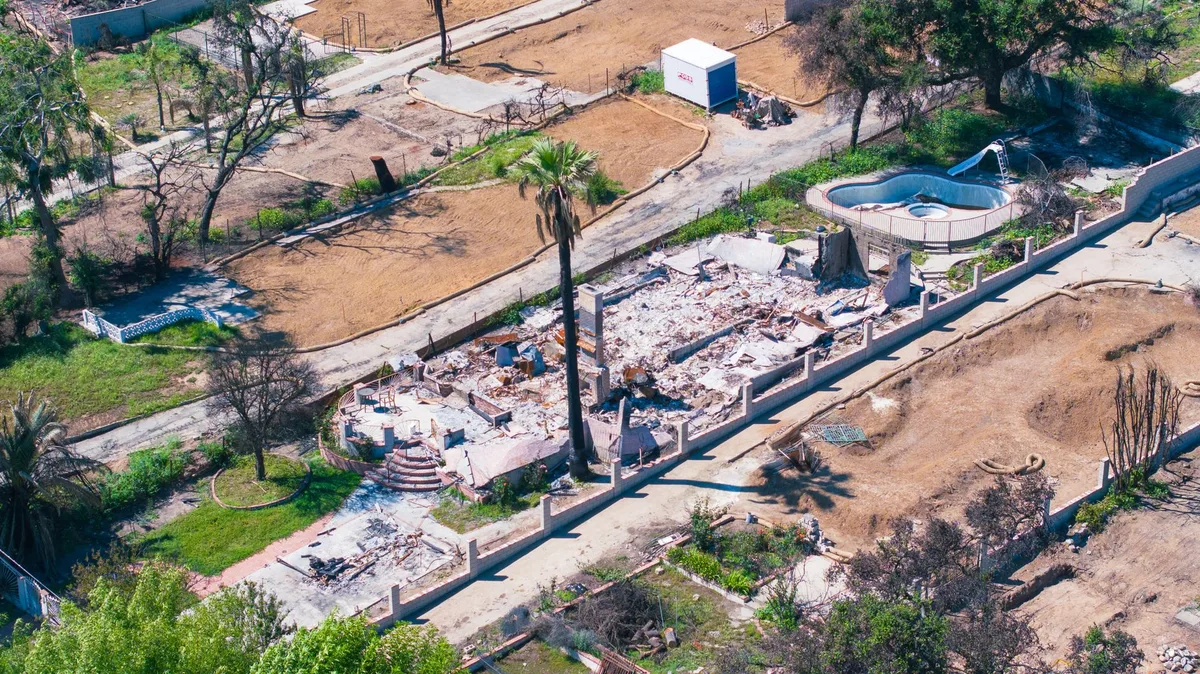
Wildfire Insurance in California: Coverage Gaps and State Programs
Learn about coverage gaps in California wildfire insurance and state programs like the FAIR Plan that help homeowners protect their properties.

How Deductibles Affect Your Home Insurance Premium: A Complete Guide
Discover how homeowners insurance deductibles impact your premium costs and learn to choose the right deductible for your financial situation.
Is There a $1,000 Hurricane Tax for Florida Homeowners in the US?
Fact-checking claims about a $1,000 hurricane tax on Florida homeowners insurance. Learn what the proposal actually says and how it affects you.
